
Czechs are dominating Wimbledon: an all-Czech final turns culture into a competitive advantage
Karolina Muchova vs Linda Noskova means the real story is how one tennis ecosystem keeps producing winners.
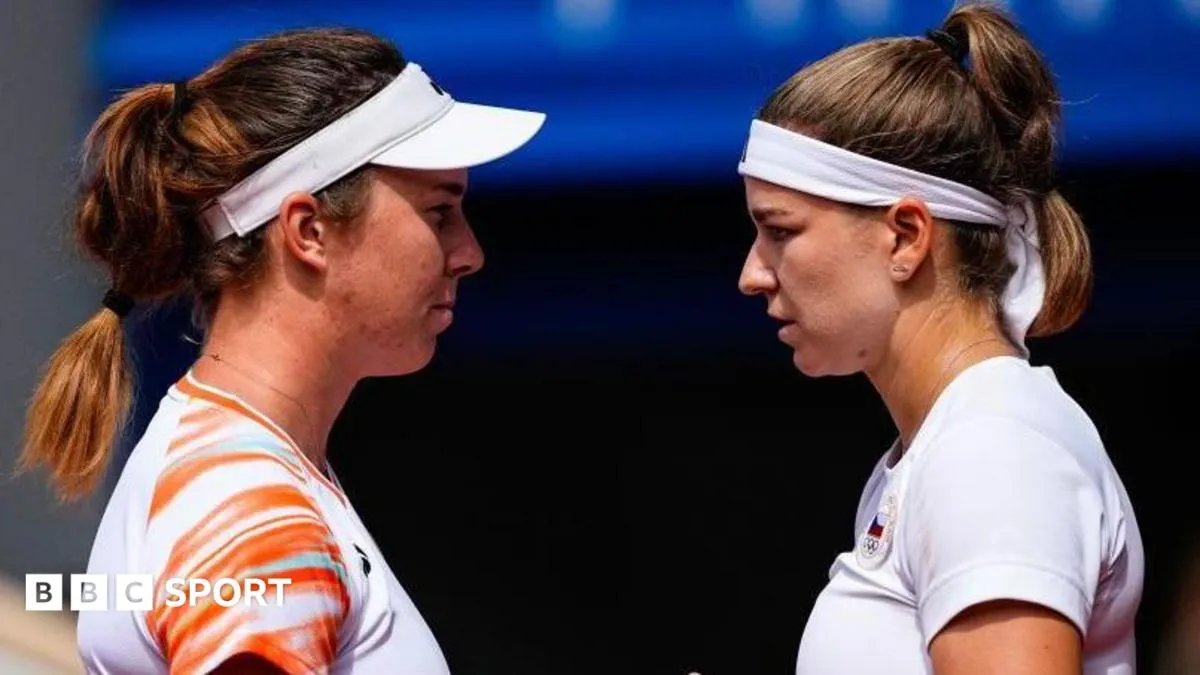
Karolina Muchova and Linda Noskova are set for an all-Czech Wimbledon final, and Naomi Broady breaks down why the country produces so many top players. For decision-makers, it is a live case study in how systems, not luck, manufacture elite performance.
Wimbledon is about tradition. This year, it is also about a plot twist so clean it feels planned: Karolina Muchova and Linda Noskova are set for an all-Czech final. Naomi Broady is the guide in this BBC Sport explainer, and the central question is straightforward. Why are Czech players dominating a tournament that usually rewards a wider spread of talent and training pipelines?
The answer, as framed by Broady, is not that Czech tennis found a cheat code in one season. It is that the Czech tennis ecosystem keeps producing top players often enough that it stops looking like coincidence and starts looking like capacity. When Muchova and Noskova reach the final together, it is not just a feel-good headline. It is evidence of a national “production line” for elite-level competitors that can survive the randomness of draws, the volatility of form, and the brutal specificity of grass-court tennis.
To understand why this matters beyond tennis fandom, zoom out to how elite sports actually work. The headline says “dominating,” but the mechanism is usually quieter. Nations that repeatedly send players deep into majors tend to do three things at the same time: develop talent early, give players competition-rich pathways, and then keep them engaged through the long middle years when many athletes fall off. You do not need a single superstar to run that system. You need an environment where enough athletes get serious reps, serious coaching, and serious match exposure.
For Czech tennis, Broady’s framing highlights that this is about where players are being made, not just who is winning. That distinction matters because “one-off” success is fragile. If a country’s results depend on a couple of exceptional individuals, the moment those players fade, the whole narrative collapses. But when the same nation keeps producing players capable of reaching the late stages of a major, the implication is that there are multiple layers of support, from youth development to national coaching culture.
This is where boardroom parallels start to click. Executives often talk about “moats,” but in sports the moat is frequently operational. It looks like training infrastructure and competitive depth. It looks like how players are selected and developed. It looks like how talent is nurtured with enough frequency that even when one pathway fails, another pipeline is already producing the next contender.
Naomi Broady also nods to a second-order truth: winning at Wimbledon is not only about raw talent. The final will be won or lost on specific factors that favor certain styles, physical demands, and tactical comfort. Grass is its own ecosystem. It changes how serve-and-return patterns play out, it changes movement requirements, and it changes how players manage momentum. So even with a strong national pipeline, a player has to have the right match traits to cash in when the tournament demands particular skills.
That is why an all-Czech final is so interesting for anyone who cares about elite performance systems. It forces the conversation to include translation. How does a country build players who not only win domestically or on slower surfaces, but also adapt and compete under Wimbledon’s fast, low-bounce demands? If Czech players keep doing it, the system must include adaptation, not just development. In other words, it suggests a learning culture that helps players adjust to new conditions quickly enough to survive into the final weekend.
Finally, there is a strategic stake for other federations and anyone running performance organizations. When a nation repeatedly dominates a global stage, it pressures competitors to audit their own pipelines: How many real matches are young players playing? How quickly are they exposed to high-pressure environments? Are coaches trained to build adaptable game plans? And are resources distributed in a way that sustains development rather than chasing short-term results? Muchova and Noskova reaching an all-Czech Wimbledon final gives decision-makers a benchmark. It is not just a story about two women. It is a stress test for the idea that talent alone wins. In this case, the evidence points to systems.
The bigger lesson is simple: when you can see an entire country show up on the sport’s biggest grass stage at the same time, you are not watching luck. You are watching output. Czech tennis has managed to create enough high-level readiness that Wimbledon, with all its randomness, still ends up reflecting the strength of the pipeline that produced Muchova and Noskova in the first place.
This story's Key Insights and Take-aways are locked.
Create a free account to unlock Executive Actions for one credit.
Register to UnlockAlways free for Executives Club members. Join the Club
More in Entertainment

12TB Steam 'teraleak' goes beyond Valve: GTA 3, Mafia 2 prototypes exposed
A 12-terabyte dump of Steam data reveals prototypes and builds of third-party classics like GTA 3 and Mafia 2, plus unreleased Valve content, rewriting game history.

LinkedIn's romance problem: 1 in 4 workers say dating on it is fair game
A new survey shows a quarter of U.S. employees treat the professional network as fair game for romance, even as LinkedIn bans it and removes hundreds of thousands of offending posts.

Enhypen's first No. 1 album breaks K-pop's Billboard 200 streak
The K-pop group's 98,000-unit debut tops the chart while Dolly Parton's catalog reentry shows how death reshapes streaming.