

D.C. cancels Fourth of July parade as heat dome threatens 250th birthday plans
A dangerous heat dome forces cancellations and schedule shifts as the nation marks its 250th anniversary.

Washington, D.C., canceled its annual parade late Friday and pushed back the opening of the “Great American...” as an excessive heat dome threatened Fourth of July festivities. The disruptions matter for decision-makers coordinating public events, staffing, travel, and safety systems during a national, high-visibility holiday.
The heat dome is already changing the day, in real time. Washington, D.C., canceled its annual Fourth of July parade late Friday and pushed back the opening of the “Great American...” as an excessive heat dome threatened festivities across the nation's capital and beyond. For an event built around crowds, timing, and tight logistics, this is not a symbolic inconvenience. It is a live test of whether organizers can protect people quickly while still delivering an experience people planned their week around.
That’s the operational reality behind the headline U.S. 250th birthday celebration. Millions of Americans were set to head outdoors to celebrate the nation’s 250th birthday. Instead, an excessive heat dome is forcing cancellations, delays, and other changes to holiday schedules as the Fourth of July moves from a calendar promise to a weather-conditioned execution problem. In other words, the day is no longer just “celebration.” It’s compliance, safety, and contingency planning under pressure.
If you zoom out beyond the parade, this is what makes heat events hard for executives: the risk does not politely stay in one place. The source frames the situation as threatening Fourth of July festivities “in the nation's capital and beyond,” which is exactly how large-scale weather hazards work. Even if you only control one site, participants, vendors, transit patterns, and media coverage link multiple sites together. When one major event cancels and another delays, you often see knock-on effects like altered staffing needs, reworked transport schedules, and last-minute decisions about whether to keep or pause outdoor activities. That is true for public sector planners, but also for private companies supporting events indirectly, from logistics providers to hospitality operators.
There is also a strategic layer to national milestones like a 250th birthday. High-visibility celebrations tend to bring additional scrutiny. People expect the parade to run. They expect the program to open when it says it opens. And the public narrative around a historic anniversary is built to look seamless. When weather breaks that expectation, decision-makers have to manage more than crowds. They manage trust. A cancellation late Friday is a particularly sensitive moment, because it means people have already arranged travel and schedules, and the organization is now communicating under compressed time.
From a governance perspective, the “what now” question is less about whether to act and more about how to act consistently when conditions change fast. Heat domes can intensify quickly, and that is why contingency planning matters. The source’s description of “cancellations, delays and other changes to holiday schedules” signals a shift from standard event operations to emergency-mode coordination. For executives, boards, and risk leaders, it reinforces a principle: you need clear thresholds for actions like delaying start times, modifying crowd density, or canceling outdoor components entirely, and those thresholds should be understood before the weather forces them.
This is also where regulatory and policy context matters, even when the story is told as “weather.” Local and state guidance often governs heat safety, emergency response coordination, and protection for workers and attendees. Even if the source does not name agencies or quote regulations directly, the practical implication is clear: when heat threatens outdoor events, organizers often have to align with safety expectations that can include how quickly crews are reassigned, what medical readiness looks like, and how communications are handled. In a busy holiday window, those systems get tested.
Second-order impacts extend to the business ecosystem around celebrations. Staffing models get scrambled when an event cancels late Friday. Vendors and contractors may need to rebook labor, manage stranded inventory, or accept schedule reversals. Travel and transit providers face shifting passenger flows. Retail and hospitality operators can see demand changes when people decide to stay inside or adjust plans. Even for organizations not directly running a parade, a disrupted public schedule changes consumer behavior in ways that can be measurable, especially around a holiday tied to media attention and national identity.
So what should decision-makers take from this? The U.S. 250th birthday is a moment designed to unify and energize. Yet an excessive heat dome is forcing real operational tradeoffs right now, starting with Washington, D.C. canceling its annual parade late Friday and pushing back the opening of the “Great American...” The lesson for peers running high-profile outdoor events is straightforward: weather risk is not a side story. It is a core execution variable, and the organizations that plan for rapid schedule changes will be the ones that protect people and credibility at the same time.
This story's Key Insights and Take-aways are locked.
Create a free account to unlock Executive Actions for one credit.
Register to UnlockAlways free for Executives Club members. Join the Club
More in Politics

Glacial collapse, not rain, killed 180 in Nepal's Himalayan flood
The Himalaya's extreme geography hid the true cause of Nepal's catastrophic flood, a glacial collapse that turned a geological battleground into a mass-casualty zone.
Iran’s Esmail Baghaei says Oman talks start shipping via Hormuz, not US talks yet
Temporary route plans with Oman aim to restart commerce while Tehran says Washington dialogue is not on the table.
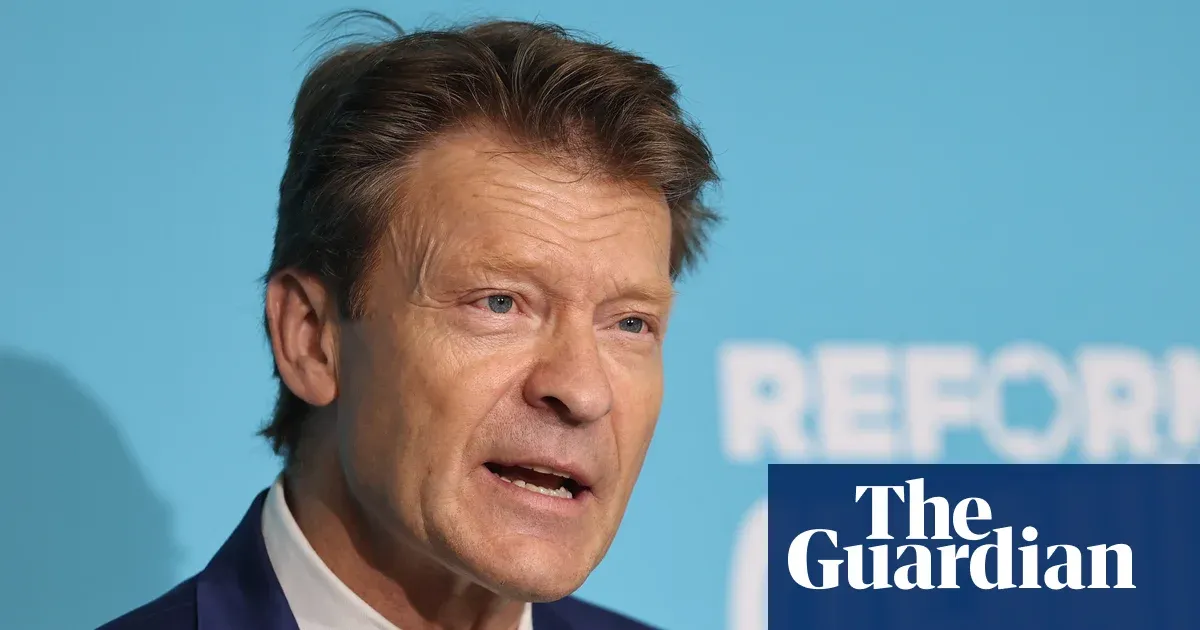
Standards watchdog opens probe into Reform UK deputy leader Richard Tice over interests
The parliamentary standards commissioner says it began an investigation on 28 July into a possible undeclared interest.