
France brace for heat vs Paraguay in World Cup last 16 as Canada meets Morocco
Two knockout dates, one shared problem: a US heatwave threatens performance, logistics, and broadcast odds across Philadelphia and Houston.
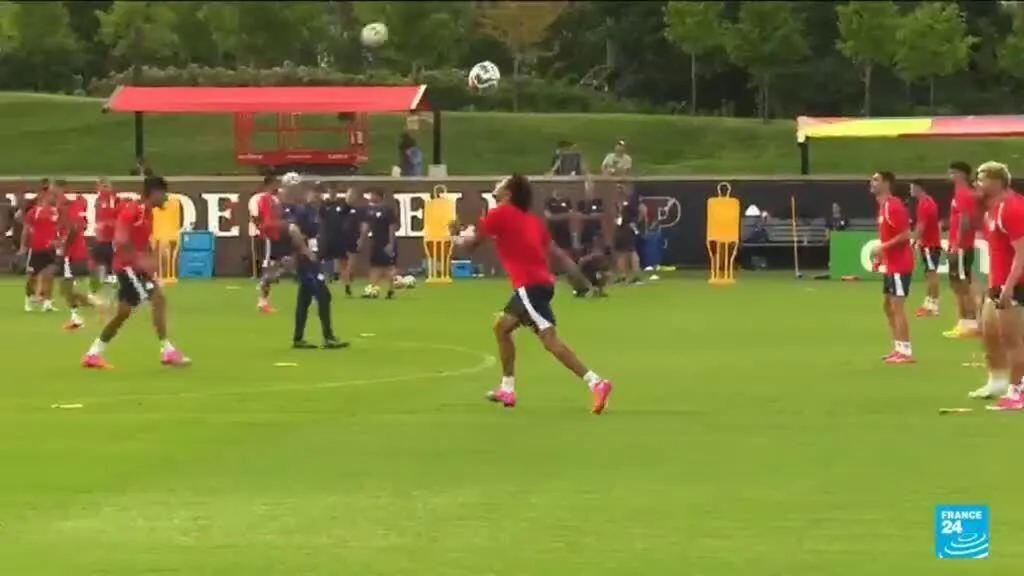
France face Paraguay in the World Cup last 16 on Saturday at Lincoln Financial Field in Philadelphia, with extreme heat warnings in the area. Canada take on Morocco in Houston, also under brutal heat conditions, forcing decision-makers to think about safety, scheduling, and competitive fairness.
France are bracing for furnace-like conditions as they face Paraguay in the World Cup last 16 on Saturday, taking the pitch at Lincoln Financial Field in Philadelphia with extreme heat warnings in the background. The stakes are simple and unforgiving: this is a knockout game, and one bad spell, one wrong hydration decision, or one delayed recovery can swing an entire tournament story.
The bigger issue is that the heat is not a mild inconvenience, it is the defining backdrop. The match arrives while a brutal heatwave is roasting swathes of the United States as it celebrates July 4th. That matters because performance is not just about tactics and talent when the environment starts acting like an extra opponent. For France, the question becomes how quickly they can get their legs back after the intensity of last-16 football, without turning the physical demands into a safety risk.
On the other side of the tournament bracket, co-hosts Canada are also walking into a pressure-cooker. Canada prepare for a daunting date with African giants Morocco in Houston. Houston, like much of the US at the moment, is part of the same broader weather pattern described in the report, meaning both teams are dealing with the same macro problem even though they are playing in different cities. For executives and operations leaders watching from the sidelines, this is a reminder that tournament scheduling is increasingly an overlay on top of climate volatility. The sport is global, but the risk profile is local, and “local” here is extreme.
Why this matters beyond the pitch is that heat reshapes the business of football, even if the scoreline is what ultimately gets headlines. Medical teams and sports science staff have to plan around higher physiological stress, which can change everything from training intensity to substitution patterns, pre-game routines, and recovery protocols. In a last-16 match, you do not get extra time to experiment. You pick your plan, you stick to it, and you hope the body holds together long enough for the game’s key moments to arrive. A heatwave compresses margins, which is why the report’s “extreme heat warnings” detail is not fluff. It is the difference between a normal match day and one where safety and performance collide.
There is also the broadcast and fan-management angle. When a host country is roasting through a heatwave during a peak holiday period, the logistics chain gets stressed. Transportation delays, hydration access, and crowd comfort all affect the stadium experience. That can influence how quickly people enter venues, how long they linger, and whether the atmosphere supports players or weighs them down. And for co-hosts like Canada, the home-factor narrative is more complicated than usual. It is not just about energy in the stands; it is about whether that energy is built in conditions that keep players and fans safe.
From a competitive fairness standpoint, executives should care about what heat does to match dynamics, especially in knockout rounds where randomness becomes consequence. Different stadium microclimates and scheduling details can create real differences between teams, even if everyone is “playing the same sport.” France versus Paraguay in Philadelphia and Canada versus Morocco in Houston are separate events, but they are linked by the same report’s framing: the United States is under a heatwave, and the tournament is happening inside that reality. In other words, the weather is a shared variable, but its impact can still be uneven across locations.
For decision-makers in sports organizations, event ops, or any business with physical performance teams, the second-order lesson is that weather becomes a governance issue, not just a background condition. Safety protocols, contingency staffing, and clear decision frameworks are the difference between reacting and controlling. When the report says France are “bracing” for furnace-like temperatures, it signals that planning is already underway, but it also underlines how quickly conditions can force changes.
And if you zoom out to the whole tournament, the strategic stakes widen. Last 16 matches are where momentum gets converted into outcomes. Heat can disrupt that conversion by draining energy faster, increasing recovery time, and forcing coaching decisions earlier than they would prefer. France need to treat Paraguay like the opponent, but also treat the environment like it has a role in the game script. Meanwhile, Canada face Morocco with the same broad heatwave pressure, meaning both matches could reward the teams that manage risk cleanly and recover quickest, not just the teams with the best plan on paper.
This story's Key Insights and Take-aways are locked.
Create a free account to unlock Executive Actions for one credit.
Register to UnlockAlways free for Executives Club members. Join the Club
More in Politics
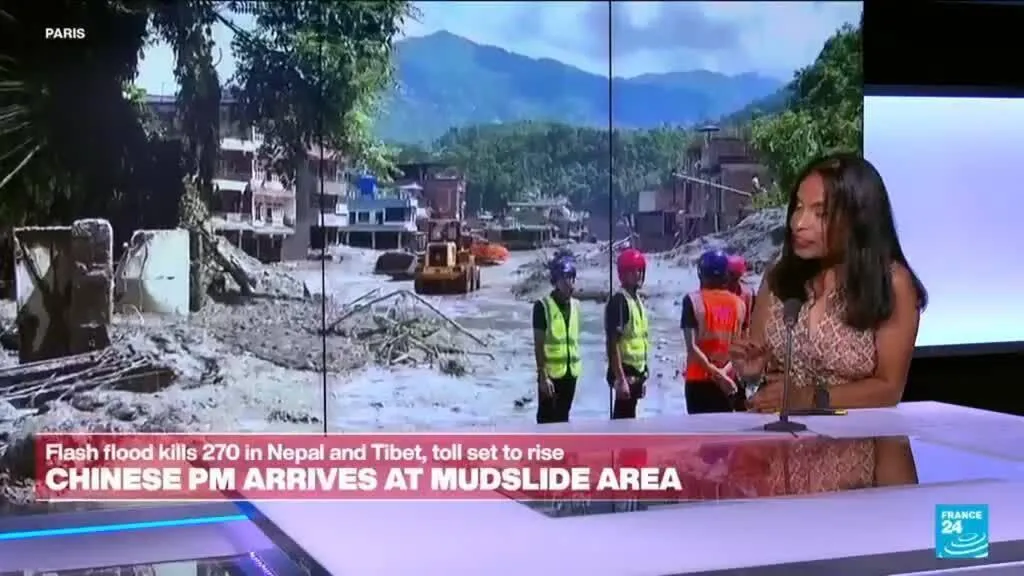
Glacial collapse, not rain, killed 180 in Nepal's Himalayan flood
The Himalaya's extreme geography hid the true cause of Nepal's catastrophic flood, a glacial collapse that turned a geological battleground into a mass-casualty zone.
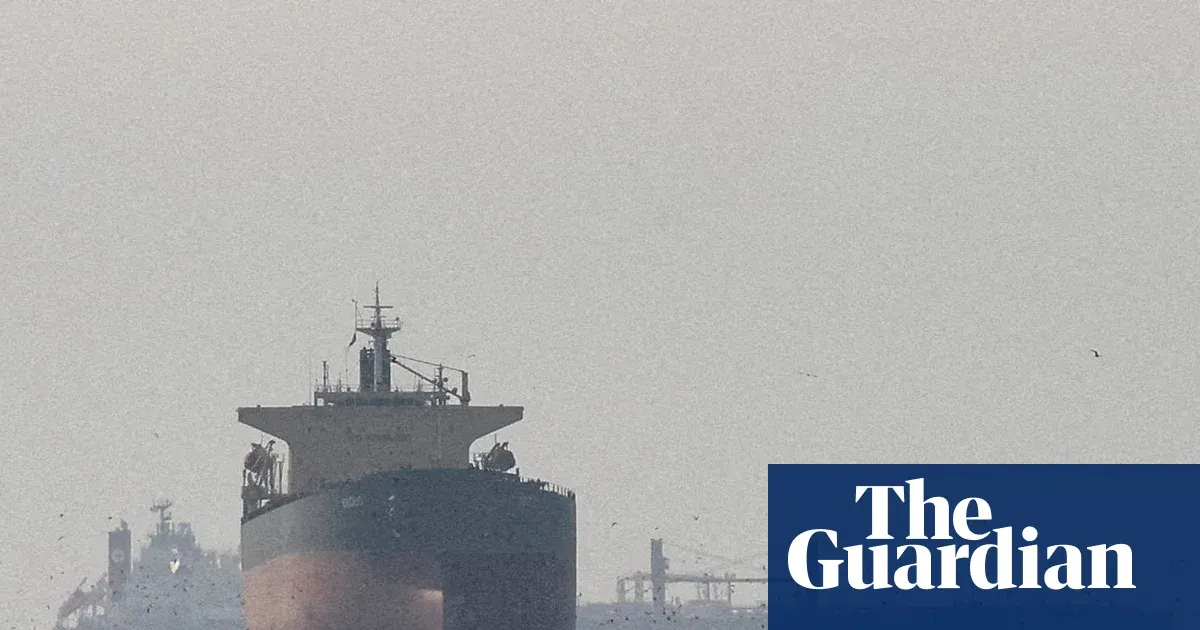
Iran’s Esmail Baghaei says Oman talks start shipping via Hormuz, not US talks yet
Temporary route plans with Oman aim to restart commerce while Tehran says Washington dialogue is not on the table.

Standards watchdog opens probe into Reform UK deputy leader Richard Tice over interests
The parliamentary standards commissioner says it began an investigation on 28 July into a possible undeclared interest.