
Dana White books UFC 330 Philadelphia Aug. 15 with Makhachev-Garry and Dern-Robertson titles
Two belt fights anchor UFC 330 in Philadelphia, putting top contenders and broadcast value on a single August date.
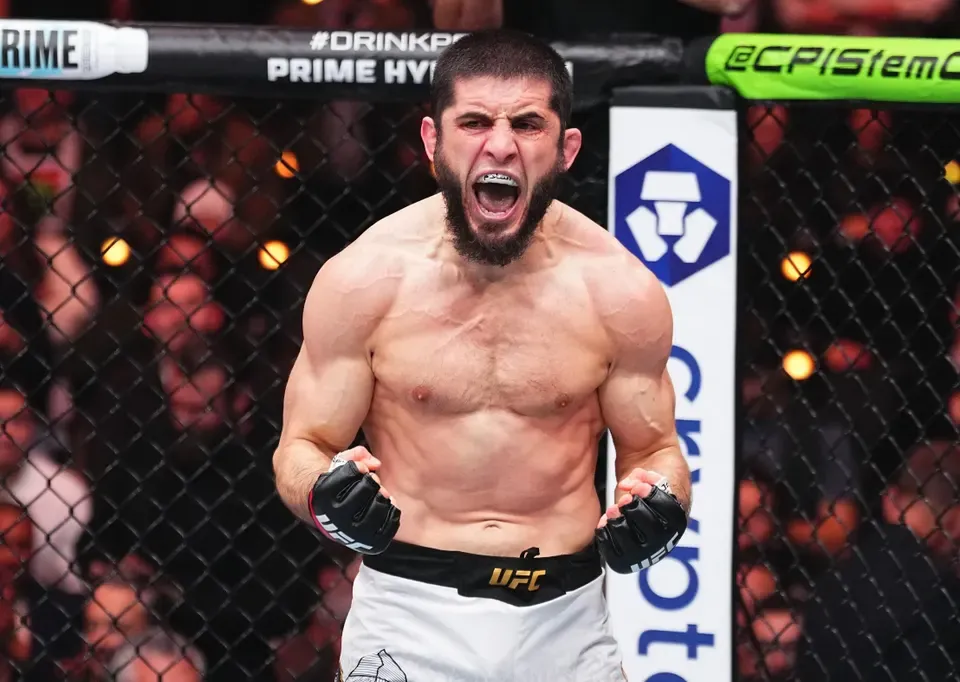
Dana White announced UFC 330 for Philadelphia on Aug. 15. The card is headlined by Islam Makhachev vs. Ian Machado Garry and a Mackenzie Dern vs. Gillian Robertson title fight.
Dana White announced UFC 330 for Philadelphia on Aug. 15, and the stakes are built into the schedule itself: the event is headlined by Islam Makhachev vs. Ian Machado Garry, and it also features a Mackenzie Dern vs. Gillian Robertson title fight. In other words, UFC 330 is not just “a big show.” It is a double-shot of championship pressure, with two marquee matchups that can reshape the order of contenders and the momentum heading into whatever comes next.
For decision-makers, that kind of card construction matters because it concentrates attention. When a single event contains a lightweight or star-level headline fight plus a separate title fight, it boosts the odds that fans, media, and partners show up for the full run. Dana White’s announcement, reported by Forbes Business, pins those demand drivers to a specific date and city: Philadelphia, Aug. 15. That matters for anyone thinking about sponsorship timing, broadcast planning, or staffing for a major live sports property because the event is now fixed on the calendar, not floating in rumor space.
Zoom out for a second, because “UFC 330 is in Philadelphia” is only the beginning. The UFC’s business model is built on fight outcomes that create new storylines and ranking implications. The headline pairing of Islam Makhachev vs. Ian Machado Garry puts two recognizable names in direct competition for supremacy in the spotlight. At the same time, the title fight between Mackenzie Dern and Gillian Robertson adds another layer of certainty for viewers who want belt-level stakes, not just elimination-style matchups.
Why this is interesting from a boardroom perspective is the same reason it is exciting for fans: titles compress ambiguity. A championship fight is a high-contrast moment. It decides not only who wins, but who becomes the narrative anchor for future matchups, media cycles, and commercial packaging. If you are a partner or allocator deciding where to put attention and dollars, championship fights are the closest thing combat sports has to a “clean event thesis.” The UFC effectively tells the market: this date is when the hierarchy gets updated.
There is also a regulatory and operational layer that executives often underestimate when they focus purely on the athlete-facing side. Major UFC events in the United States typically require coordination with athletic commissions on licensing, event safety protocols, medical clearances, and bout approvals. Announcing a specific venue and date, like Philadelphia on Aug. 15, helps bring those moving parts into alignment for promoters, venue operators, and broadcasters. The more high-stakes the card, the more important it becomes that every administrative step stays on track. Championship fights do not run on vibes. They run on compliance, inspection readiness, and tight event-day execution.
Second-order effects show up in how these cards influence future negotiations and leverage. A headline slot for a top star like Islam Makhachev signals that the UFC expects meaningful mainstream demand, while a matchup with Ian Machado Garry keeps the competitive edge and fan curiosity high, because Garry is a different type of draw and style. On the women’s side, putting Mackenzie Dern against Gillian Robertson in a title fight similarly concentrates attention into a single, high-stakes outcome. For executives overseeing sports partnerships, athlete management relationships, or media strategies, the key is that outcomes can quickly change perceived value. A dominant performance can elevate an athlete’s commercial ceiling; an upset can rewrite who gets the next “headline” slot.
Then there is the local impact on Philadelphia as a market. Hosting a card anchored by two title fights tends to pull in not just fight fans, but also travel and hospitality demand that rides on the event’s broader visibility. From an operator viewpoint, a clearly scheduled championship card is easier to operationalize than a vague event announcement, because staffing, inventory planning, and local coordination are tied to predictable foot traffic and media presence. For venue operators and local partners, UFC 330 is a packaged moment with a calendar stamp.
Ultimately, Dana White’s announcement is a reminder that the UFC’s calendar is not a list of random dates. UFC 330, set for Aug. 15 in Philadelphia, is positioned as a championship event with both a headline title contest and an additional title fight, Islam Makhachev vs. Ian Machado Garry and Mackenzie Dern vs. Gillian Robertson. For other executives watching combat sports, streaming rights, live event economics, or athlete-driven media, the takeaway is straightforward: when you can lock in date certainty and belt-level stakes, you concentrate attention, simplify partner narratives, and turn one night into a business asset that can echo well beyond the final bell.
This story's Key Insights and Take-aways are locked.
Create a free account to unlock Executive Actions for one credit.
Register to UnlockAlways free for Executives Club members. Join the Club
More in Business

A flaw in PHP just forced governments to pull their own sites offline
European agencies from Belgium to Germany took websites dark to patch a critical weakness in the language behind almost 70% of the web, and the blast radius extends far beyond government portals.

BioWare shuts down, Mass Effect 5 dead after $55B EA buyout
The legendary RPG studio's closure lands months after a $55 billion investment group buyout of EA, raising tough questions for gaming's biggest acquirers.

Musk weighs Tesla-SpaceX mega-merger as boards form review panels
Special committees at both companies will examine a tie-up that could fuse electric vehicles and space launch, forcing a fresh look at governance and valuation.