

Dana White says UFC 329 will set UFC’s biggest live gate ever
The UFC CEO is calling UFC 329: Conor McGregor vs Max Holloway 2 the biggest live-gate event in UFC history.
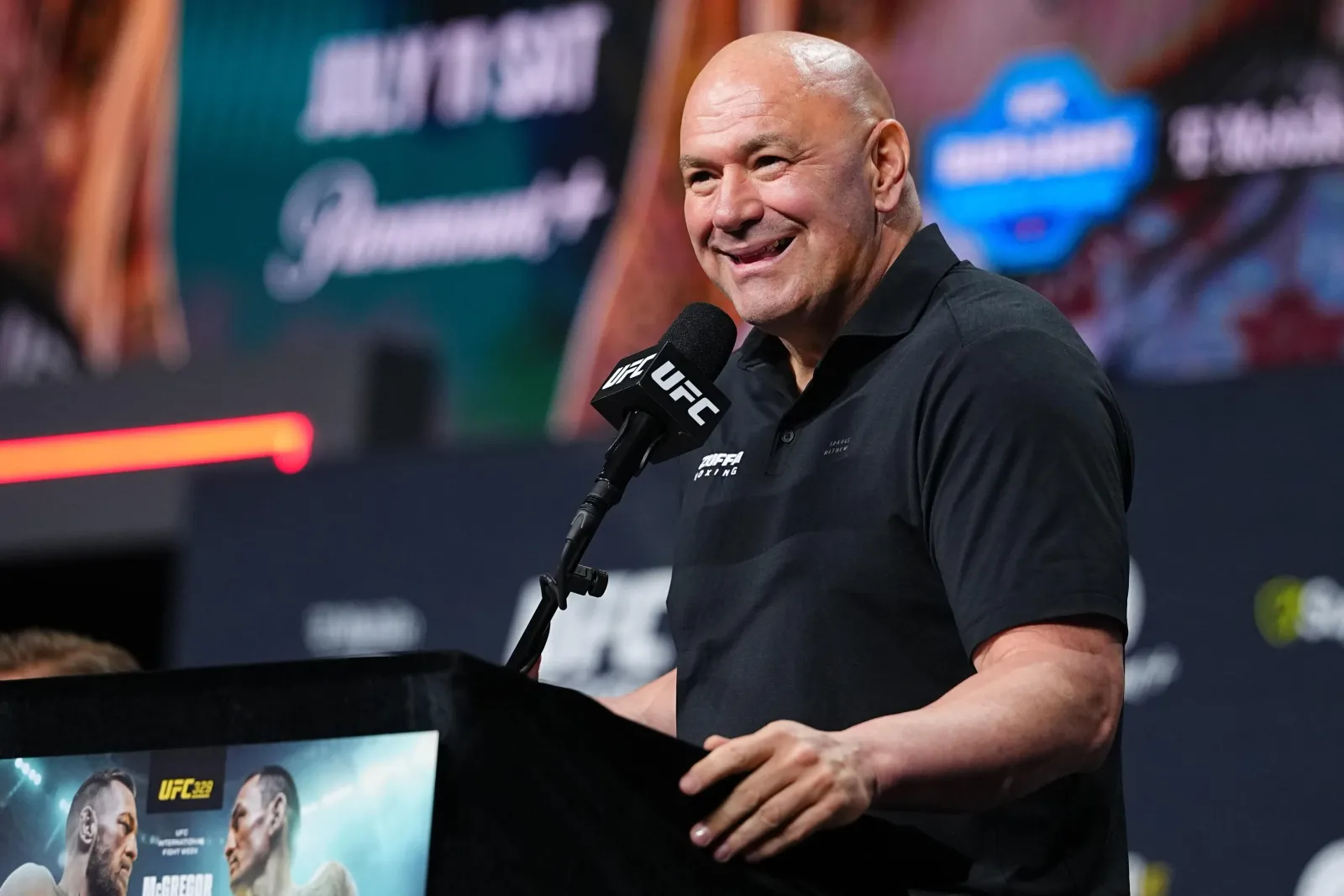
Dana White, UFC CEO, announced that UFC 329: Conor McGregor vs. Max Holloway 2 will produce the largest live gate in UFC history. The move signals a major revenue and brand moment for UFC and forces venue, sponsorship, and media partners to recalibrate around peak-demand events.
UFC CEO Dana White just made a bold, numbers-first claim about UFC 329: Conor McGregor vs. Max Holloway 2. White said the event will have the largest live gate in UFC history.
For decision-makers, that statement is not just hype. A “live gate” is the money generated from ticket sales at the venue, and when the CEO says it will be the biggest in the sport’s history, it implies a ceiling is being tested for how much live demand the UFC can still pull, even in an environment where fans have more entertainment options than ever. The headline promise is straightforward and grounded: UFC 329 is positioned as UFC’s record-setting live-gate event.
To understand why this matters, zoom out to how combat sports businesses usually create value. Unlike subscription platforms or ad-driven media, live events are built on scarcity and timing. Fans buy because the fight exists at a specific date and place. That creates strong event-level economics, where ticketing performance influences everything around it: sponsorship pricing, hospitality packages, and how broadcasters and digital partners judge audience pull.
In that context, a record live gate is a public signal that UFC can monetize its biggest recurring asset, top-tier star matchups. Conor McGregor remains one of the sport’s most recognizable names, and Max Holloway has built a reputation that draws momentum across fan segments. White is effectively telling the market that UFC 329 is the intersection of mainstream star power and long-running hardcore credibility, a combo that can expand the pool of ticket buyers beyond the usual base.
There is also a second-order implication for how boards, investors, and operators think about risk. When a company announces record expectations for a major revenue line, it changes what stakeholders will watch next. Ticket sales velocity becomes a real-time scoreboard. Venue and promoter partners will likely monitor seat inventory, premium sections, and package attach rates more tightly, because those are the levers that translate “interest” into “gate.” On the UFC side, strong live performance can also improve negotiating leverage with partners, from sponsors who want high-footfall visibility to media partners who want confidence in audience size.
Now layer in the regulatory reality that sits under every UFC event. Combat sports are regulated by athletic commissions and local rules, covering everything from fighter eligibility and medical requirements to event operations. Even though the Forbes business item only reports White’s announcement about the live gate, the fact that the event is “UFC 329” also means it sits within the UFC’s normal compliance machine. Regulators care about safety and fairness, but business leaders care about something adjacent: how reliably the event can be executed without disruption. A record gate claim increases the pressure for smooth operations, because the upside is tied to the event happening as scheduled.
From a capital and valuation standpoint, record-setting events can shift internal narratives. Companies in entertainment and sports often face a constant question from investors: can they keep scaling monetization as the audience matures? A UFC CEO’s claim that an event will be the biggest live gate in UFC history works like a marketing headline for financial models. It suggests that the UFC can still drive outsized returns from a single event, not just by grinding through incremental improvements, but by staging matchups that create a moment large enough to reset expectations.
For executives at adjacent companies, the playbook is less about copying the matchup and more about reading the signal. When UFC frames UFC 329 as a live-gate record, it is implicitly telling the ecosystem that demand exists at a high level and that fans will pay for the “in-person first” experience. Ticketing platforms, venue operators, sponsorship sales teams, and media strategists can all draw a clear operational lesson: premium live inventory still matters, and star-driven events still concentrate attention in a way that is hard to replicate with generic programming.
The strategic stakes for peers in similar roles are simple. If UFC’s record live gate expectation holds, it strengthens the case for investing in high-profile fight cards, prioritizing distribution deals that favor live reach, and designing partner packages around maximum in-venue visibility. If it does not, it becomes a stress test for how much monetization is now driven by hype versus sustained audience loyalty. Either way, Dana White’s announcement turns UFC 329 into a reference point for the industry, not just another fight week.
This story's Key Insights and Take-aways are locked.
Create a free account to unlock Executive Actions for one credit.
Register to UnlockAlways free for Executives Club members. Join the Club
More in Business
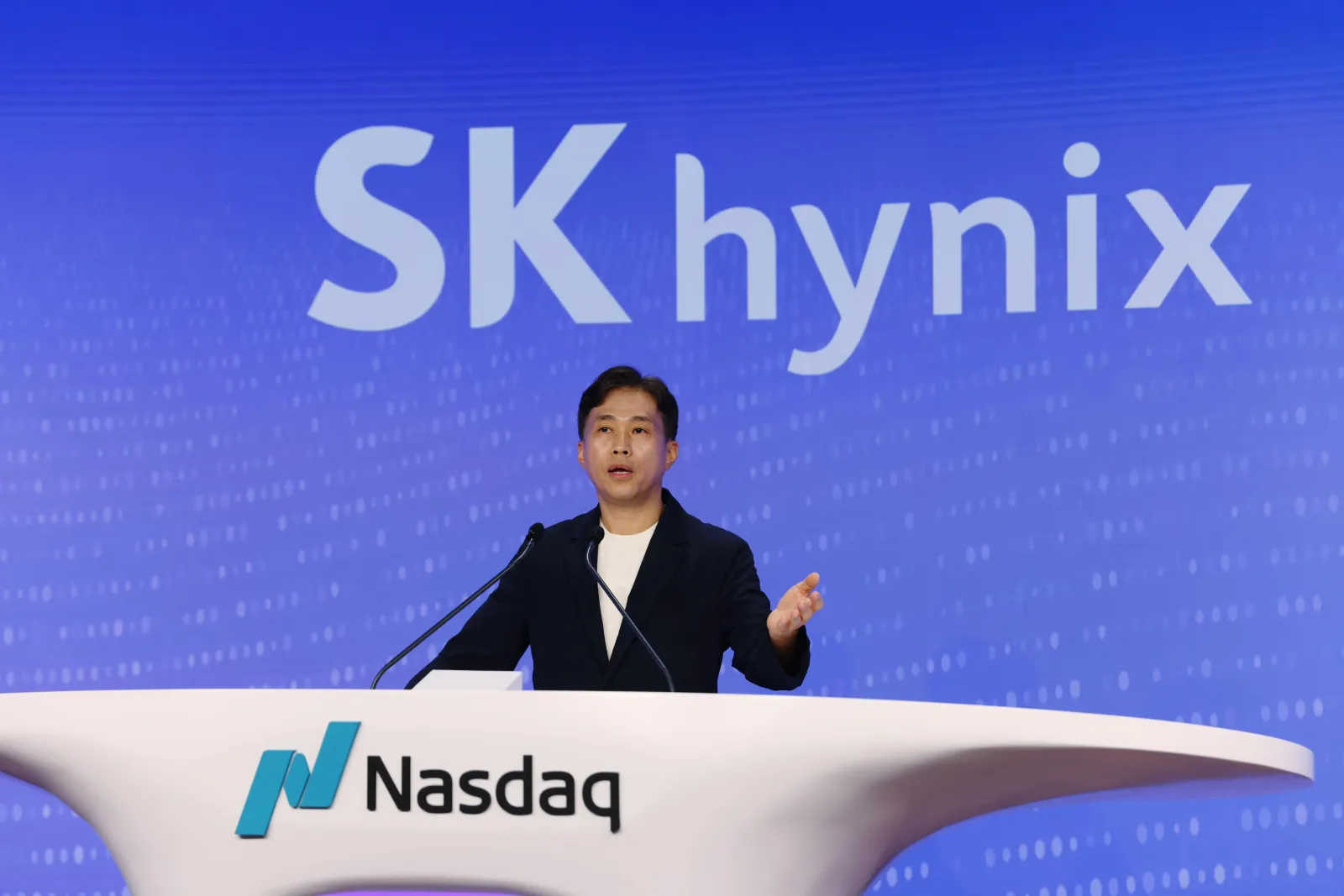
SK Hynix opens at $170, raises $26.5B, and tops foreign IPO records
In Friday's Wall Street debut, SK Hynix turns AI RAM demand into a $26.5B fundraising moment that rewrites comps.

China lands a reusable Long March booster, a first that matches SpaceX and Blue Origin
A barge landing and net-based recovery move China from theory to proof, reshaping the reusability race and satellite ambitions.

AstraZeneca $27B wipeout as Wainua late trial misses cardiovascular target
A failed late-stage heart study triggered a swift market punishment, forcing investors and boards to reset timelines and risk.