
Danielle Kirton presses Ed Miliband: Spain’s evacuation order came too late for her parents
Exclusive details why the bereaved daughter says the warning reached her family after the window to flee had closed.

Danielle Kirton, the daughter of a British couple killed in a Spanish wildfire, is calling on foreign secretary Ed Miliband to press Spain’s government for answers. She wants to understand why her parents were not told to evacuate until it was too late.
Danielle Kirton is calling on foreign secretary Ed Miliband to get answers from Spain’s government about one thing she says went wrong with terrifying simplicity: her parents were not told to evacuate until it was too late.
Kirton’s appeal is aimed squarely at the timing of the evacuation order. She says the order to leave arrived after the moment her parents could have acted on it. In other words, this is not a dispute about whether danger existed. Severe wildfires have burned across Spain and France since early July, killing people, destroying thousands of homes, and forcing more than 300,000 people to flee.
When governments issue evacuation orders during wildfires, the process is supposed to be a race against a moving clock. Fire behavior can change fast. Wind shifts, dry vegetation, and difficult terrain can turn a manageable situation into an emergency in hours, sometimes sooner. That is why evacuation systems tend to rely on multiple channels at once: alerts to residents, instructions via local authorities, and coordination between emergency services. But Kirton’s claim creates a blunt accountability question for decision-makers: if the evacuation warning came late, where exactly did the delay happen in the chain.
Kirton is not just asking for sympathy. She is asking for answers and turning those answers into diplomatic pressure by routing them through the UK’s foreign secretary. That matters because, in cross-border crises involving British citizens, the political and administrative stakes are higher than a local investigation. Miliband, as foreign secretary, represents the UK in its dealings with foreign governments when citizens are harmed abroad. Kirton’s request signals she believes the timing of the order is not only a human tragedy, but also a governance failure that requires formal scrutiny.
For executives and boards, this is a reminder that emergency communication is not a “nice to have” operational detail. It is core risk management. Companies that operate in regions affected by wildfires, or that move workers and customers through them, typically treat evacuation readiness like a safety system with measurable requirements: who gets notified, how quickly, and with what redundancy when networks get overloaded. The wildfires across Spain and France since early July, along with the scale of displacement, underline that governments and organizations often face a painful tradeoff during fast-moving disasters. Issue an evacuation too early and you can overwhelm resources and cause confusion. Issue it too late and lives are lost. Kirton’s claim, if accepted in investigation, is about how that tradeoff played out for her family.
There is also a second-order implication that rarely gets attention until after a crisis. Once an evacuation order is issued, the public’s behavior becomes part of the response. People need clear instructions and a sense of urgency that matches the actual risk. If residents perceive instructions as vague, inconsistent, or delayed, they may not act, or they may act too late. In that context, Kirton’s focus on the “too late” part is critical. It suggests she believes the communication window closed before her parents received the instruction.
The numbers in the broader situation show why this is not a niche story. Since early July, severe wildfires have burned across Spain and France, killing people, destroying thousands of homes, and forcing more than 300,000 people to flee. Those figures indicate ongoing, large-scale disruption, not a single isolated incident. In large-scale emergencies, evacuation decisions depend on real-time information and coordination. If delays occur, they are not always due to a single bad actor. They can be the result of fragmented authority, lagging information, or overwhelmed decision systems. But for grieving families, the explanation is not enough unless it clarifies what went wrong and how to prevent repetition.
Kirton’s appeal to Miliband also reflects a political reality: accountability often follows who has leverage. Spain’s government controls the local wildfire response and the process that leads to evacuation orders. The UK can request clarifications and press for review through diplomatic channels. That combination can lead to inquiries, policy adjustments, or procedural changes around public warning systems. Even if immediate operational changes are hard in the middle of a crisis, the after-action review stage can reshape how governments prepare for the next wave of extreme fire weather.
For leaders in similar roles, the strategic lesson is uncomfortable but useful. The “last mile” of emergency communication is where risk becomes outcome. Evacuation orders are only as effective as the time between issuing the instruction and residents receiving it in a usable form. Kirton’s story is a direct confrontation with that gap: if an order arrives after the window to act, the system fails at the moment it matters most.
This story's Key Insights and Take-aways are locked.
Create a free account to unlock Executive Actions for one credit.
Register to UnlockAlways free for Executives Club members. Join the Club
More in Politics
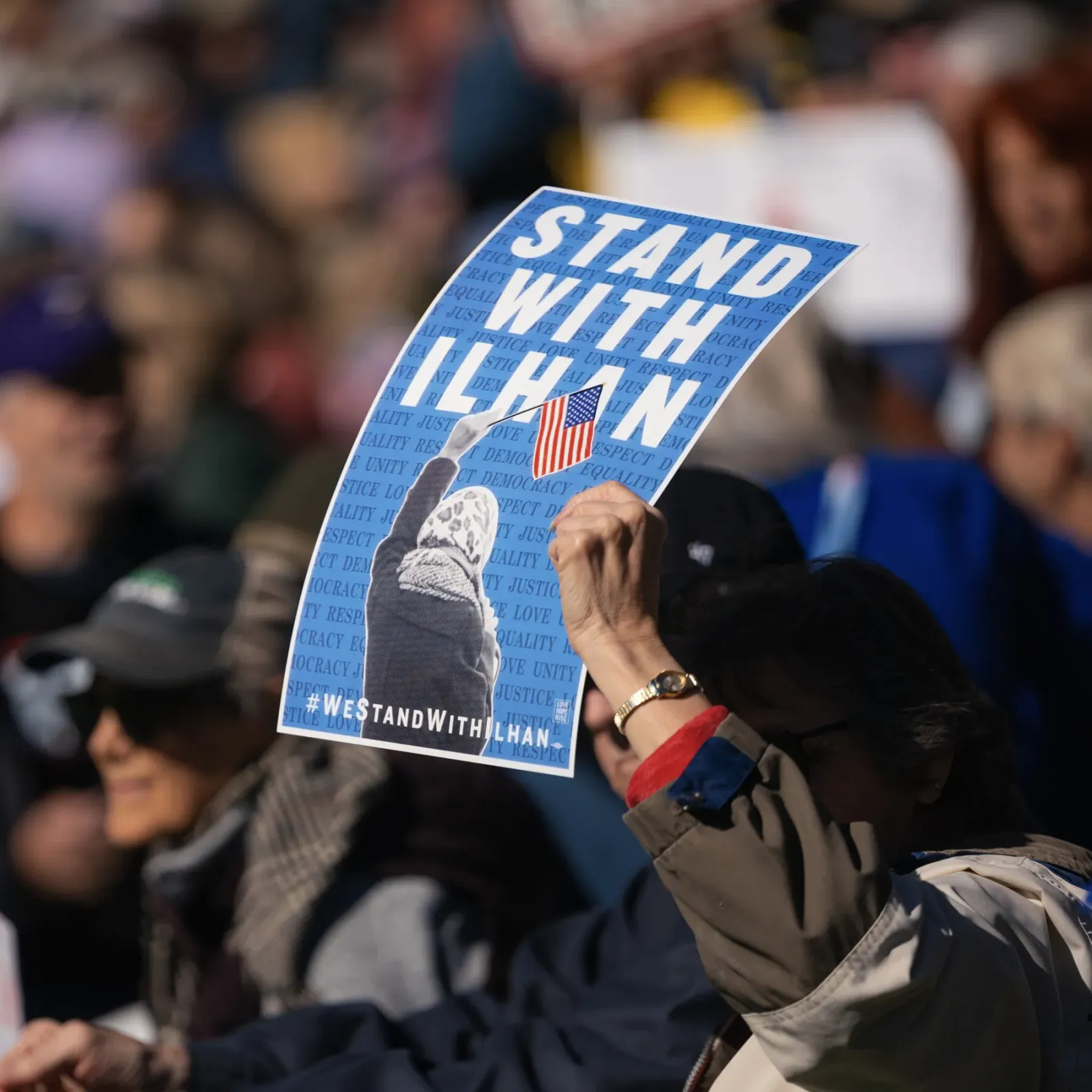
Obama Defends Ilhan Omar After Agents Search Her Home in Trump Inquiry
The former president's intervention raises the stakes in a federal probe into immigration paperwork that has put a prominent progressive lawmaker in the crosshairs.

Blair-era minister: cut welfare to fund youth job support
Alan Milburn's call for welfare cuts to fund employment support opens a Labour fight over benefits and the Neet crisis.
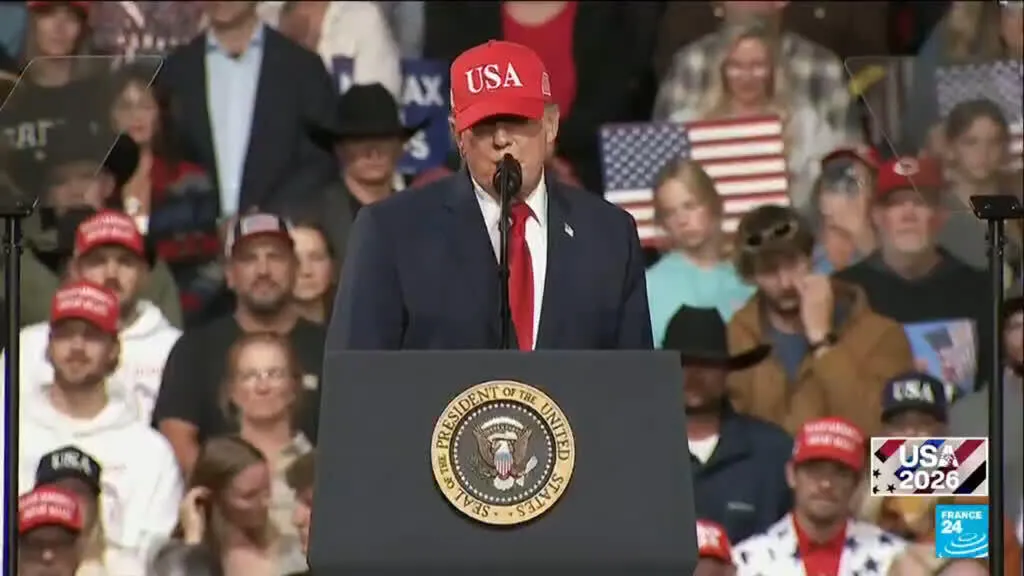
Hot September CPI: energy costs surge, voters feel the squeeze before midterms
The latest inflation print lands as Trump campaigns for GOP control of Congress, putting cost-of-living worries at the center of the midterm fight.