

Danny McBride directs the G.I. Joe reboot after 13-year wait with Paramount and Hasbro
The long-running toy franchise returns to live-action as McBride debuts as a feature director, reshaping a familiar IP race.
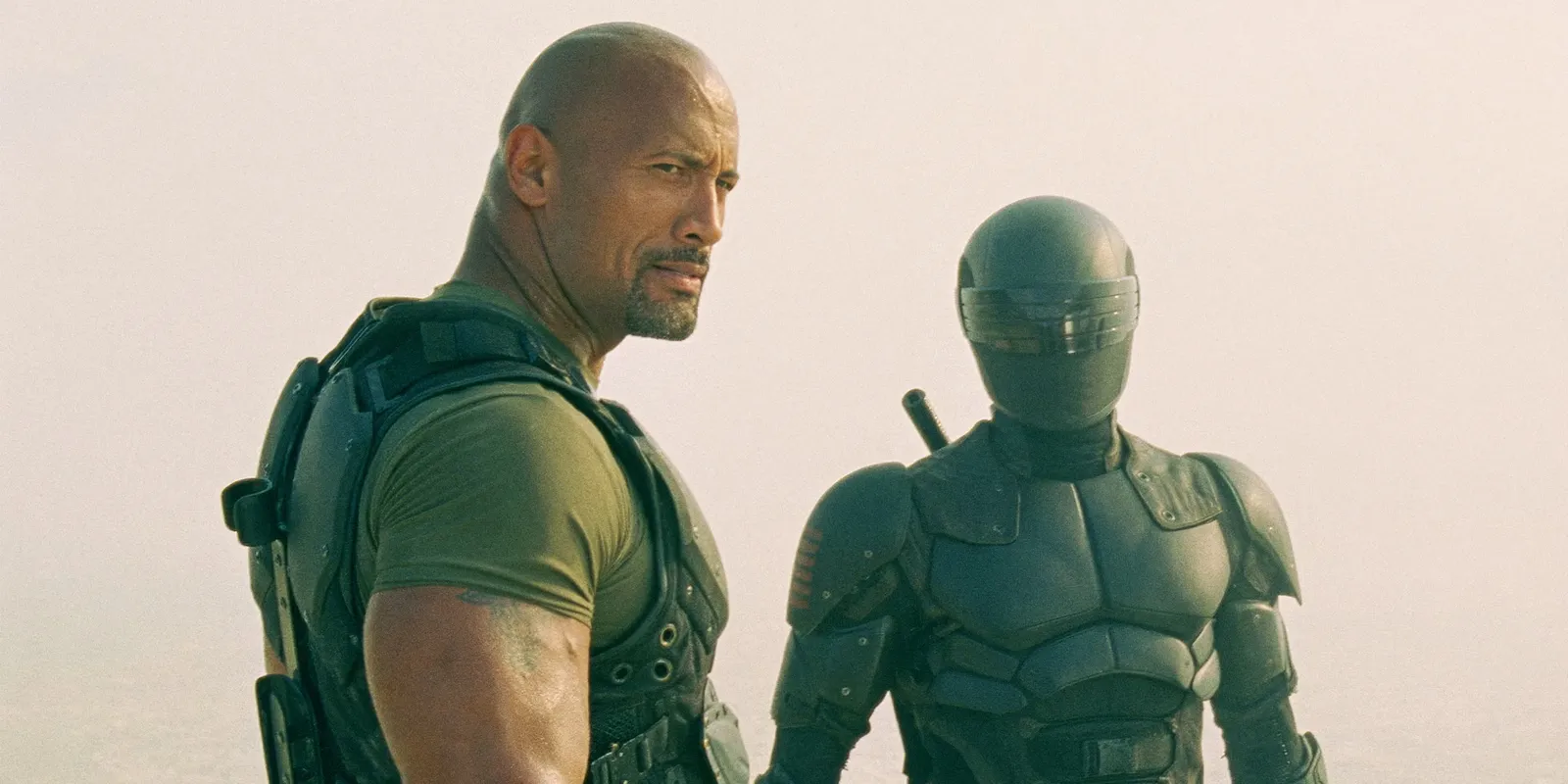
Danny McBride is set to make his feature directorial debut on Paramount's officially confirmed G.I. Joe reboot. Hasbro is partnering with longtime collaborator Paramount to bring the 1960s toy line back into live-action after more than a decade.
After a 13-year wait, the G.I. Joe franchise is officially rebooting for the big screen, and Danny McBride is the key swing. Collider reports that McBride is set to make his feature directorial debut on the project. On the business side, Hasbro is partnering with longtime collaborator Paramount to bring the long-running toy line, whose origins date back to the 1960s, back into live-action for the first time in over a decade.
That combination matters because it signals a specific kind of Hollywood bet: a mainstream, brand-led franchise gets a fresh creative lead, but it does not get a blank check. The “why now” is baked into the names involved. Hasbro owns the intellectual property, but Paramount has the production and distribution engine. When those two choose to move, it is usually about de-risking the launch by leaning on established audience expectations, while still trying to inject enough novelty to avoid sequel fatigue.
Zoom out and the G.I. Joe reboot looks less like a random nostalgia project and more like a continuation of how studios and toy brands typically stabilize revenue in uncertain cycles. Toy IP is unusually “sticky” because it already has a built-in identity system: characters, settings, and visual language that can translate into film marketing, licensing, and home entertainment. Hasbro partnering with Paramount is essentially saying, “We know the playbook. Let’s run it again, with updated execution.” That does not guarantee box office success, but it often improves predictability relative to wholly new properties.
Now layer in McBride’s feature-director debut. From a governance and board perspective, handing a first feature to a recognizable comedic writer-performer can be a way to broaden appeal beyond the core fandom without turning the film into a safe imitation. Executives do not pick “new to directing” talent just for vibes. They pick it when the creative’s track record is strong in adjacent roles, and when the studio believes the production will be guided tightly enough to meet schedule and cost targets.
There is also a second-order consideration: brand owners like Hasbro are typically balancing two revenue worlds at once. One world is theatrical and streaming, where marketing spend and release timing can make or break returns. The other world is merchandising and licensing, where the film can lift product demand if the franchise stays coherent and recognizable. A reboot after more than a decade is a chance to refresh the brand’s visual and narrative relevance. It is also a reminder that toy lines are not just entertainment. They are multi-year ecosystems, and film is one of the accelerants.
What about “regulatory background,” the part many entertainment watchers ignore? In most cases, major studio film decisions do not come with the kind of direct regulatory approvals that, say, utilities or banks face. The practical regulatory framing for media companies is usually less about formal approvals and more about compliance and content constraints. That includes typical entertainment industry requirements around labor, safety on sets, and advertising and consumer protection rules that apply to promotions tied to children or family audiences. While this story does not mention specific regulations, the underlying business logic still matters: a toy-based franchise has to navigate scrutiny that is different from an adult-only original property.
The 1960s origin story line is a subtle but powerful asset. Older IP brings deep cultural memory, but it also brings a risk: modern audiences will judge tone, pacing, and character clarity against everything they have seen since. That is why the “after 13-year wait” framing is important. The longer the gap, the more the reboot has to reintroduce the universe, not just reference it. If it succeeds, it can become a platform for future installments. If it stumbles, it can stall a long-term brand investment.
For executives, investors, and operators watching this, the strategic stake is straightforward: big IP partnerships can either become a flywheel or a slow-motion drain. Hasbro and Paramount moving forward with a confirmed reboot, plus a director stepping into his feature debut lane, tells the market they believe the upside is worth the complexity. If you are in media, licensing, or brand-powered entertainment, the lesson is to watch not only who is attached, but what the partnership implies about risk tolerance, creative control, and long-range monetization.
This story's Key Insights and Take-aways are locked.
Create a free account to unlock Executive Actions for one credit.
Register to UnlockAlways free for Executives Club members. Join the Club
More in Entertainment

12TB Steam 'teraleak' goes beyond Valve: GTA 3, Mafia 2 prototypes exposed
A 12-terabyte dump of Steam data reveals prototypes and builds of third-party classics like GTA 3 and Mafia 2, plus unreleased Valve content, rewriting game history.

LinkedIn's romance problem: 1 in 4 workers say dating on it is fair game
A new survey shows a quarter of U.S. employees treat the professional network as fair game for romance, even as LinkedIn bans it and removes hundreds of thousands of offending posts.

Enhypen's first No. 1 album breaks K-pop's Billboard 200 streak
The K-pop group's 98,000-unit debut tops the chart while Dolly Parton's catalog reentry shows how death reshapes streaming.