

David and Larry Ellison sued over alleged Trump side deal for Warner Bros approval
A Paramount shareholder files in Delaware Chancery Court, aiming to block Paramount’s Warner Bros. Discovery takeover on “illegal” deal claims.
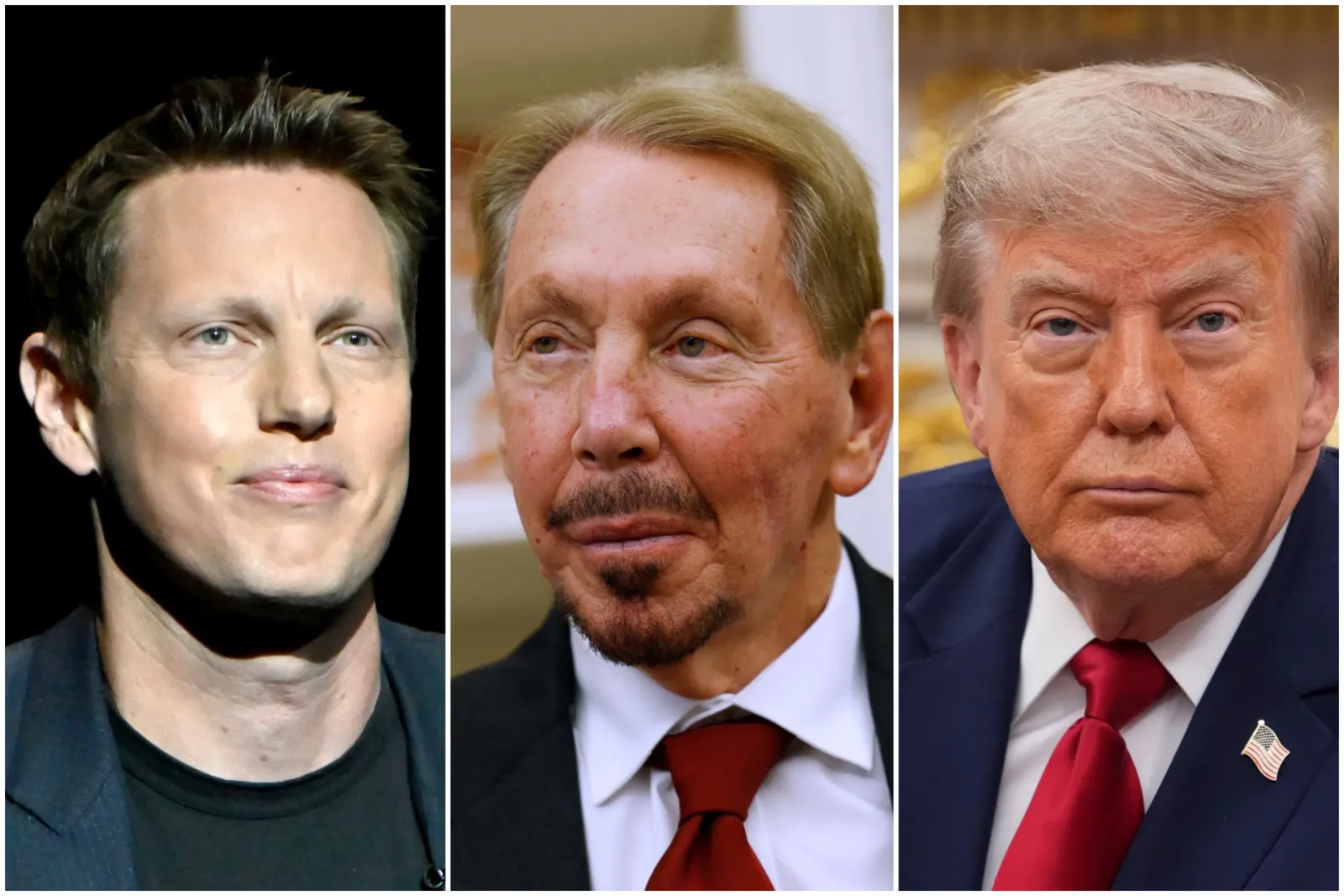
David Ellison, head of Paramount Skydance, and Larry Ellison have been sued by a Paramount shareholder alleging they cut an “illegal” side deal with President Donald Trump to secure U.S. government approval for Paramount’s Warner Bros. Discovery takeover. The Delaware Chancery Court filing seeks to block the transaction and forces executives to rethink regulatory risk and board exposure.
David Ellison, chief of Paramount Skydance, and his tech billionaire dad Larry Ellison are facing a lawsuit that claims they struck an “illegal” side deal with President Donald Trump to secure U.S. governmental approval for Paramount’s takeover of Warner Bros. Discovery. The suit was filed Tuesday in Delaware Chancery Court by a Paramount shareholder, and it is explicitly designed to stop the deal.
That is the immediate stake: if the court agrees that the alleged conduct tainted the approval path, Paramount’s merger momentum could be interrupted, and the transaction itself could be blocked. The lawsuit frames the accusation as “illegal,” tying the alleged side arrangement to governmental clearance for the Warner Bros. Discovery acquisition. In other words, this is not merely a corporate governance squabble. It is an attempt to convert regulatory process risk into legal leverage.
To understand why this lands so hard for decision-makers, zoom out to how media megamergers typically work. These deals are huge, not just in dollars but in what they need from regulators. Parties often spend months or longer building strategies around antitrust concerns, market power, competition, and compliance. When the process is portrayed as influenced by improper arrangements, it can trigger two problems at once. First is the direct legal issue, where plaintiffs argue the board and executives failed in their duties. Second is the reputational and operational risk that can slow or complicate approvals, even before any final ruling.
The Ellisons are pulled into that second-order risk because of what the complaint targets: the pathway to “U.S. governmental approval.” The allegations are that a “illegal” side deal with President Donald Trump was used to secure government clearance. Even if courts ultimately do not accept the claims, the existence of a lawsuit like this can change how stakeholders interpret every regulatory step. It can also increase the intensity of board scrutiny around communications, decision-making records, and relationships with public officials.
There is also a board dynamics angle. Paramount Skydance, led by David Ellison, is at the center of the transaction being challenged. Larry Ellison’s involvement adds a further layer because investors and courts often examine whether influential shareholders or executives effectively control strategy. In these cases, the question is not just what was done, but how it was authorized, documented, and overseen. A shareholder lawsuit filed in Delaware Chancery Court signals that the plaintiff is looking for governance remedies, not just press-cycle attention.
Second-order implications matter because the market is already used to uncertainty around deal timing in regulated industries. But this particular uncertainty is about legitimacy, not just chronology. If the alleged side deal claim sticks, it could invite broader legal and compliance follow-ups. Other counterparties, regulators, and even financing partners may demand tighter assurances that the transaction is cleanly handled. That can mean more diligence, more documentation, and potentially more friction with any process that relies on trust and cooperation.
For executives at other companies considering or advancing regulated acquisitions, this case is a loud reminder: regulatory approval is not only a technical process, it is also a governance story. A shareholder can file in a court like Delaware Chancery Court and attempt to reshape the narrative from “we complied” to “we secured approval through something improper.” If you are sitting in the board chair seat, the practical challenge becomes ensuring the transaction record can survive aggressive legal scrutiny.
For now, the lawsuit itself is the event that changes the chessboard. Filed Tuesday, it seeks to block Paramount’s deal, and it does so by alleging that David Ellison and Larry Ellison cut an “illegal” side deal with President Donald Trump to secure U.S. governmental approval for the Warner Bros. Discovery takeover. That combination, alleged improper influence plus an attempt to halt a major transaction, is exactly the kind of pressure point that can force boards to reassess everything from compliance to communications and to their broader risk management posture.
This story's Key Insights and Take-aways are locked.
Create a free account to unlock Executive Actions for one credit.
Register to UnlockAlways free for Executives Club members. Join the Club
More in Business

Epic and Google drop settlement bid, forcing rival Android app stores by July 22
Google told the court it is ready to carry third-party app stores starting Wednesday, July 22.
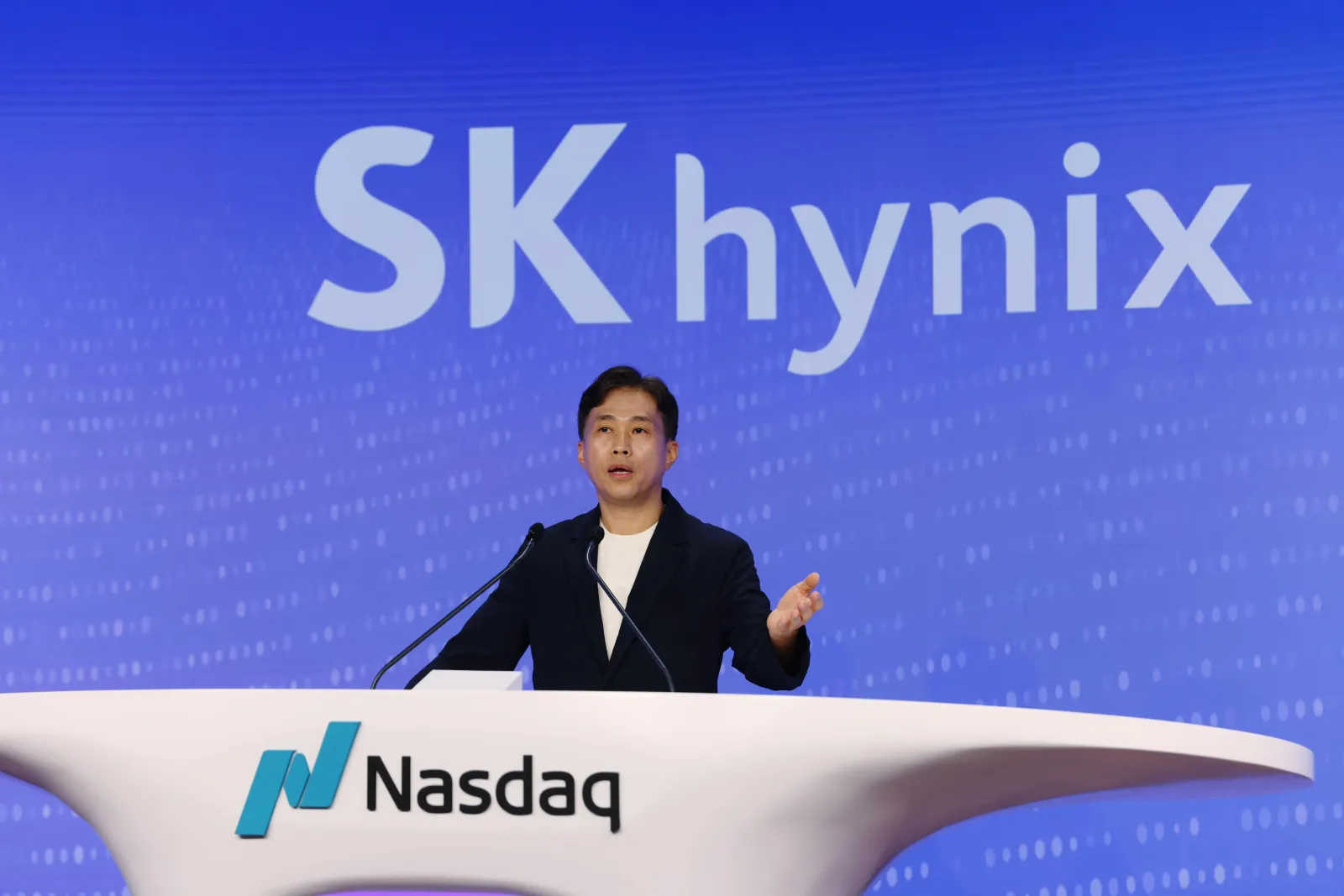
SK Hynix opens at $170, raises $26.5B, and tops foreign IPO records
In Friday's Wall Street debut, SK Hynix turns AI RAM demand into a $26.5B fundraising moment that rewrites comps.

China lands a reusable Long March booster, a first that matches SpaceX and Blue Origin
A barge landing and net-based recovery move China from theory to proof, reshaping the reusability race and satellite ambitions.