

David Ellison now controls Paramount and Warner Bros. - the risks he can't ignore
The Skydance founder's unprecedented consolidation of two studios makes him Hollywood's most powerful executive - and the biggest target for its problems.
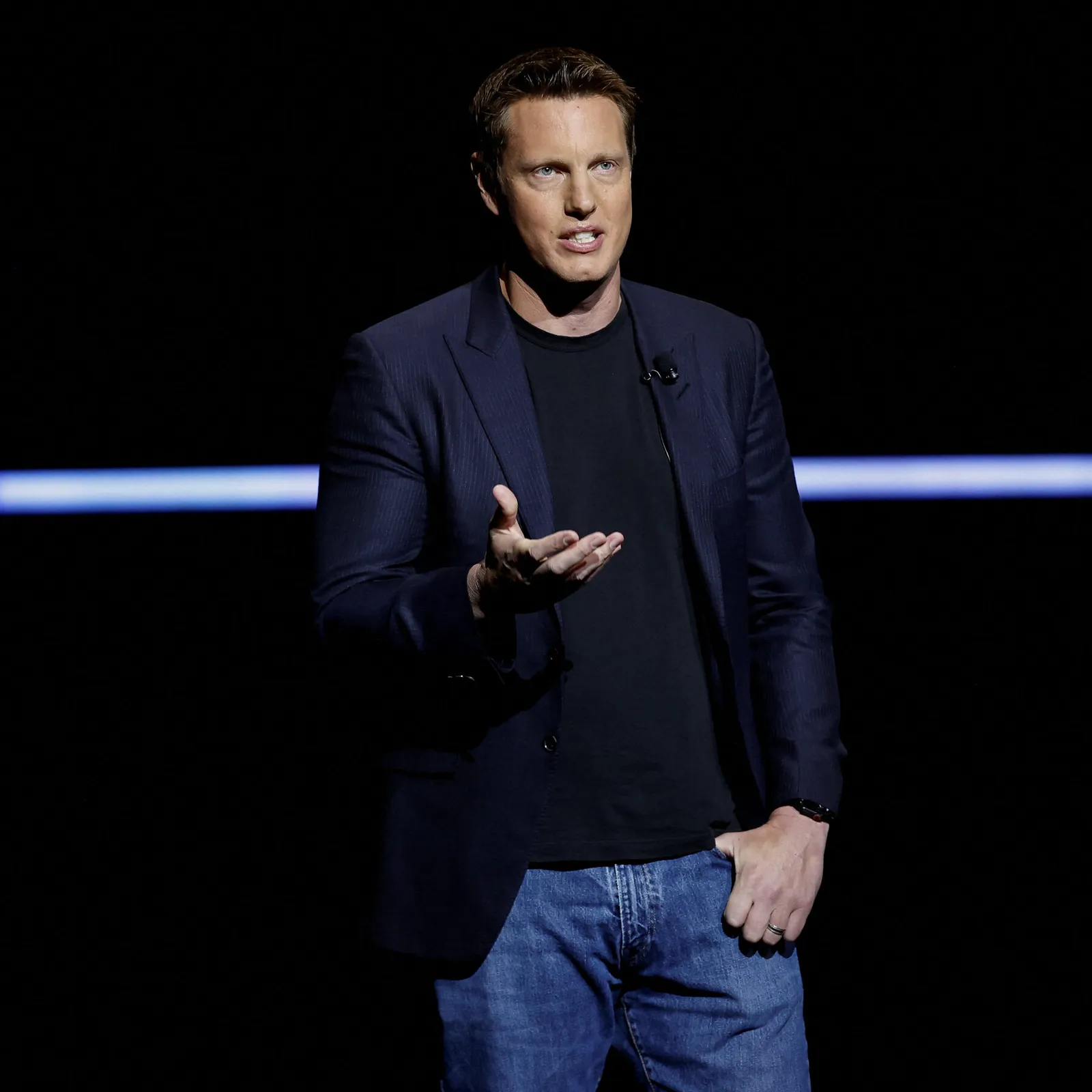
David Ellison, founder of Skydance, has taken control of Paramount and Warner Bros., becoming Hollywood's most powerful executive. For decision-makers, his consolidation signals a new era of studio concentration - and a test of whether one person can manage two legacy giants.
David Ellison, the founder of Skydance and the man once called "the Kid," now controls both Paramount and Warner Bros. - a consolidation that one observer said makes him "the Hollywood equivalent of Superman, Caesar and Midas combined." The deal hands him two of the most storied studios in film history, but it also hands him their problems: legacy debt, shrinking linear TV, and a streaming business that burns cash.
The scale of what Ellison commands is hard to overstate. Paramount owns the studio behind "Top Gun" and "Mission: Impossible," plus CBS, MTV, and a broadcast network. Warner Bros. brings "Batman," "Harry Potter," and HBO. Together, they represent a third of the traditional studio system. No single executive has controlled this much of Hollywood's output since the 1940s, when the government forced studios to divest their theater chains. That comparison is not hyperbole; it is the structural reality of the deal.
The path to this moment was neither quick nor simple. Ellison's Skydance had been a production partner to Paramount for years before it became its acquirer. The deal faced shareholder lawsuits, regulatory scrutiny, and questions about whether a relative newcomer could run a legacy media giant. That he now also controls Warner Bros. suggests the industry's consolidation wave is accelerating - and that the old guard is willing to hand the keys to a younger generation with deeper pockets and a different risk appetite.
For the rest of Hollywood, the implications are immediate. Talent agencies, producers, and streaming platforms now have to negotiate with a single counterparty that controls a massive library of intellectual property. That concentration of power could shift the balance in everything from profit participation deals to the pricing of streaming rights. It also raises antitrust questions, though regulators have so far allowed the deal to proceed. The next few quarters will show whether the market sees this as a strength or a risk.
The challenges Ellison inherits are structural, not cyclical. Linear television - the cash cow that funded decades of studio spending - is in secular decline. Streaming, once seen as the growth engine, has proven to be a low-margin, high-cost business. And the theatrical window, which still drives cultural relevance, has not fully recovered its pre-pandemic audience. Ellison will have to decide which businesses to defend, which to shrink, and which to sell. Those decisions will define his tenure far more than any single box office hit.
This story's Key Insights and Take-aways are locked.
Create a free account to unlock Executive Actions for one credit.
Register to UnlockAlways free for Executives Club members. Join the Club
More in Business
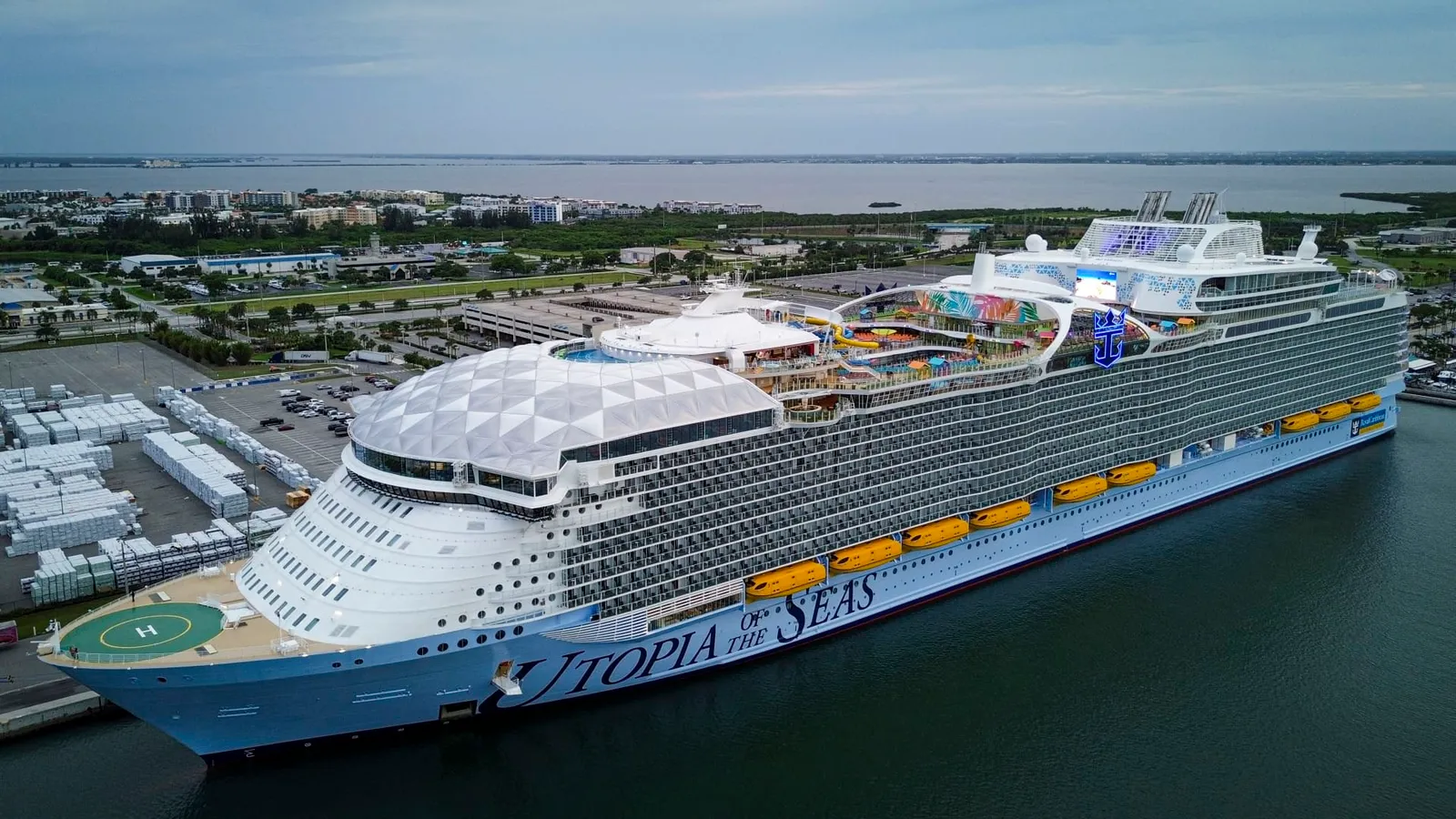
Royal Caribbean just spent $3B to own half of Sandals
The cruise giant is buying a 50% stake in the all-inclusive resort chain for $3 billion, a bet that land-based vacations are the next growth engine.

Paramount's Ellison: Merger Clearance Done, WBD Deal by Oct 1
David Ellison says the Paramount-WBD merger has full clearance after settling with state AGs, clearing the path for an October 1 close.
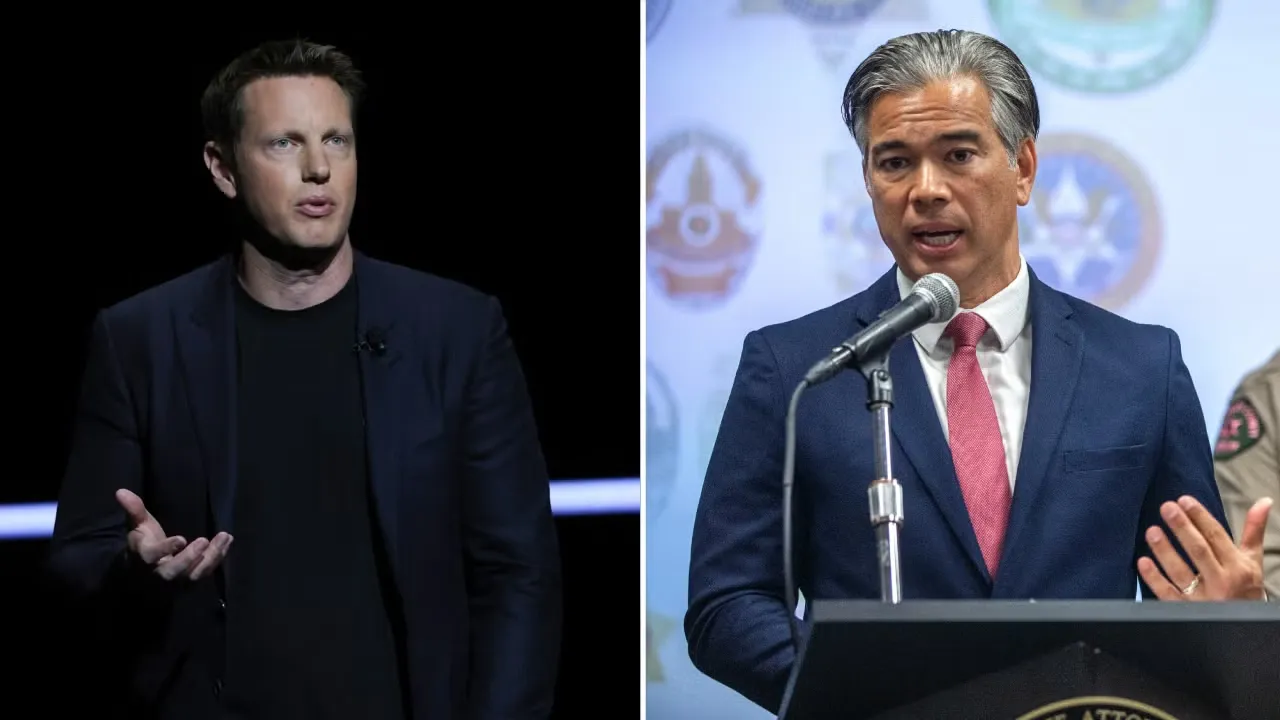
Paramount settles with 12 states, $110B Warner merger clears final hurdle
David Ellison's studio avoids a March trial and a $7M-a-day ticking fee by settling with state AGs over local job losses.