

David Ellison's CNN: Editorial Oversight Board Arrives as Newsroom Anxiety Grows
The incoming owner faces a skeptical newsroom, and the network's answer is a formal oversight board - here's what that means for editorial independence.
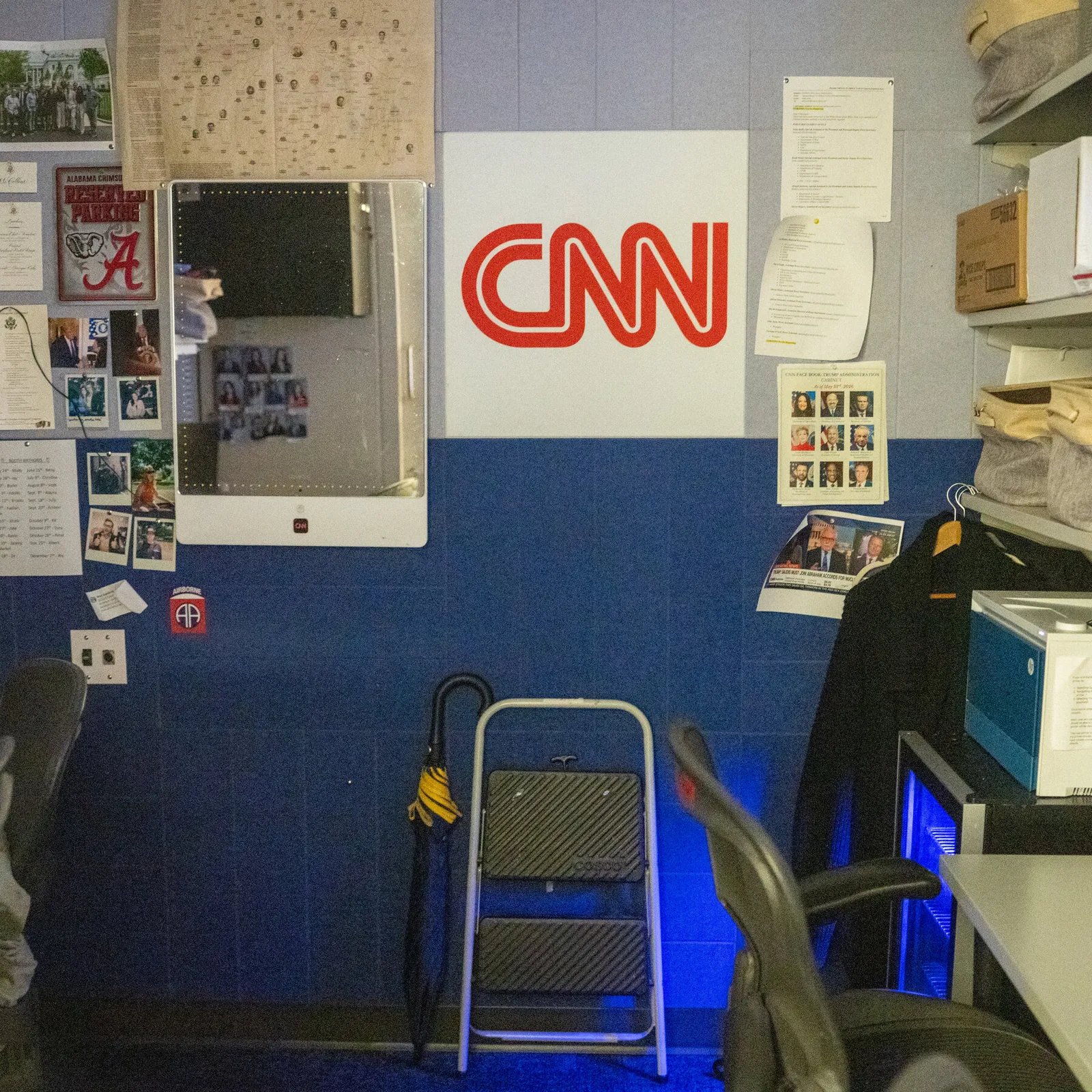
David Ellison, the incoming owner of CNN, will face a newsroom that has been anxious for months about his looming control, and the network's future includes an editorial oversight board. For media executives and boards, this signals a growing trend of formal guardrails to protect editorial independence during ownership transitions.
David Ellison is set to take ownership of CNN, and the network's future will include an editorial oversight board - a direct response to months of anxiety inside the newsroom about his looming control. The New York Times reports that the prospect of Ellison's ownership has unsettled journalists who fear interference in coverage, and the board is being positioned as a safeguard. For a network that has weathered ownership changes before, this is a deliberate attempt to signal stability and protect the brand's credibility at a moment when trust in media is fragile.
An editorial oversight board typically acts as a buffer between the owner and the newsroom, reviewing major editorial decisions, setting ethical guidelines, and ensuring that coverage remains independent of commercial or political pressure. While the exact composition and powers of CNN's board have not been disclosed, the mere announcement is a concession to the newsroom's concerns. It acknowledges that Ellison's arrival carries risk - and that the network's value depends on its editorial integrity. For Ellison, who is inheriting a news organization with global reach and a reputation for hard-hitting journalism, the board is both a shield and a test: it protects him from accusations of meddling, but it also limits his ability to shape coverage if he ever wants to.
The anxiety at CNN is not unique. Ownership transitions in media almost always trigger fears of editorial capture, especially when the buyer is a tech or entertainment mogul with no journalism background. Ellison, the CEO of Skydance Media, is best known for producing films like Top Gun: Maverick, not for running a newsroom. That gap in experience is precisely why the oversight board matters. It signals to the staff, the audience, and advertisers that the network's journalism will not be bent to serve a corporate agenda. Historically, similar boards have been used at outlets like The Guardian and The Washington Post, where they serve as formal guardians of editorial independence. But they are rare in broadcast news, making CNN's move a notable experiment.
For Ellison, the board is also a strategic asset. If he hopes to grow CNN's digital footprint and compete with rivals like Fox News and MSNBC, he needs a newsroom that is motivated and trusted. A demoralized staff that fears interference will produce weaker journalism, lose scoops, and eventually bleed audience. The board is an investment in morale and credibility. It also sends a message to regulators and politicians who have scrutinized media consolidation: that Ellison is willing to accept checks on his power. In an era where every major media deal faces antitrust and political review, that posture could smooth the path for other acquisitions he may pursue.
The broader implication for media executives is that editorial oversight boards may become a standard feature of ownership transitions. As consolidation accelerates - with streaming giants, private equity firms, and tech billionaires buying legacy outlets - the tension between profit motives and journalistic mission will only intensify. A formal board is a low-cost way to de-risk a deal: it reassures employees, protects the brand, and gives acquirers cover if controversies arise. But boards are only as effective as their mandates. If members are appointed by the owner and lack the power to block decisions, they become window dressing. The real test will be whether CNN's board has teeth - whether it can veto a story, resist pressure to kill an investigation, or publicly dissent from the owner's wishes.
For decision-makers in media and beyond, the lesson is that trust is a balance-sheet asset. When ownership changes hands, the first casualty is often employee confidence, and that erosion can be costly. A well-designed oversight board can preserve institutional knowledge and prevent a talent exodus. It also forces the owner to articulate their values in writing, which is a useful exercise for any leader. The CNN situation is a case study in how to manage a high-stakes transition: acknowledge the fear, institutionalize the safeguards, and then prove through actions that the safeguards are real.
Ultimately, Ellison's success at CNN will depend less on the board's existence and more on his willingness to respect it. Newsroom anxiety does not vanish with a press release. It fades when journalists see that their work is protected in practice. For peers in similar roles - whether they are acquiring a news outlet, a creative agency, or a research lab - the takeaway is clear: the people who produce your most valuable work need to believe that their independence is non-negotiable. A formal oversight mechanism is a powerful signal, but it must be backed by a culture that honors it. CNN's board is a start, but the real story will be how it functions when the first controversial story lands on Ellison's desk.
This story's Key Insights and Take-aways are locked.
Create a free account to unlock Executive Actions for one credit.
Register to UnlockAlways free for Executives Club members. Join the Club
More in Business
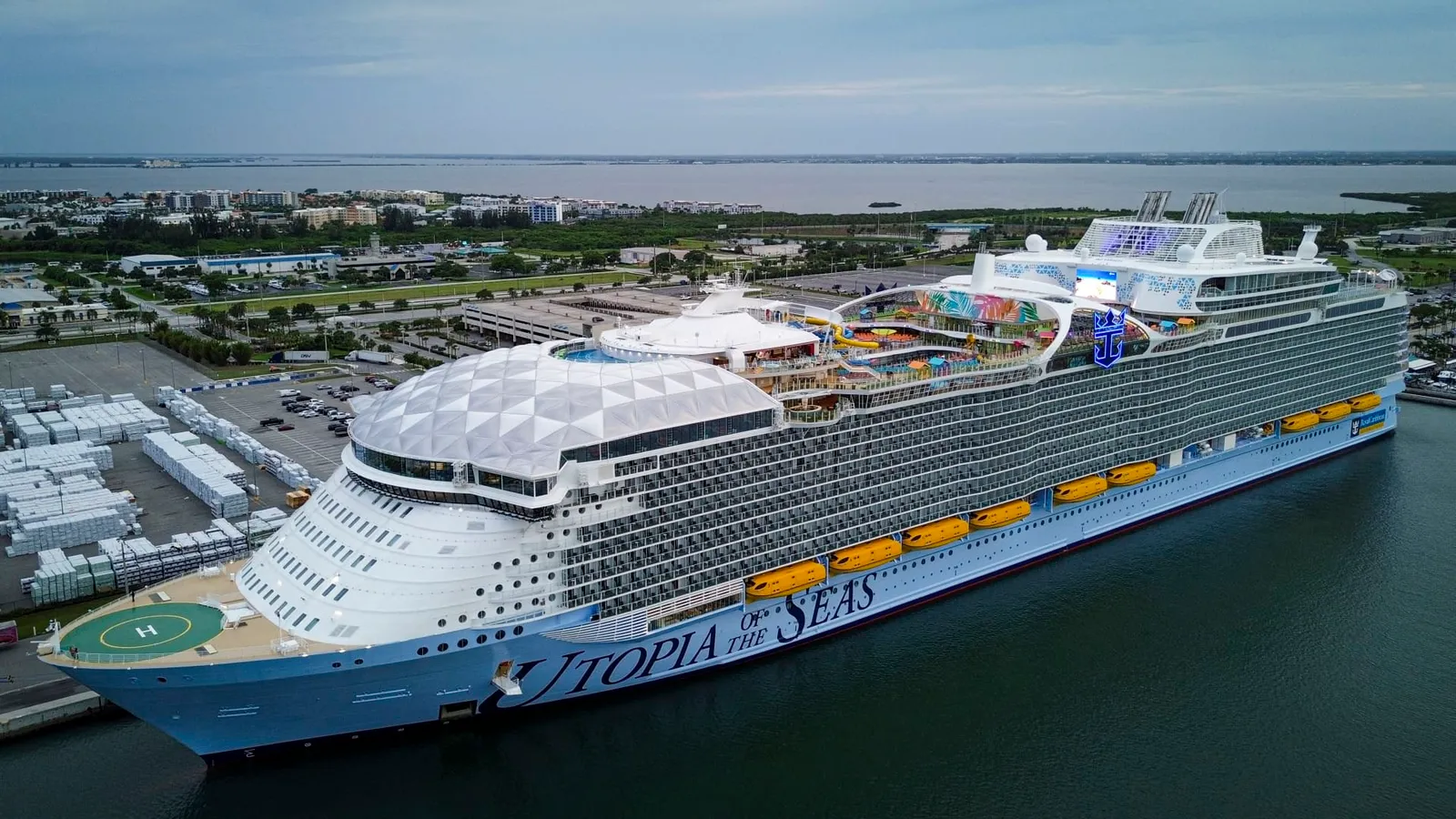
Royal Caribbean just spent $3B to own half of Sandals
The cruise giant is buying a 50% stake in the all-inclusive resort chain for $3 billion, a bet that land-based vacations are the next growth engine.

Paramount's Ellison: Merger Clearance Done, WBD Deal by Oct 1
David Ellison says the Paramount-WBD merger has full clearance after settling with state AGs, clearing the path for an October 1 close.
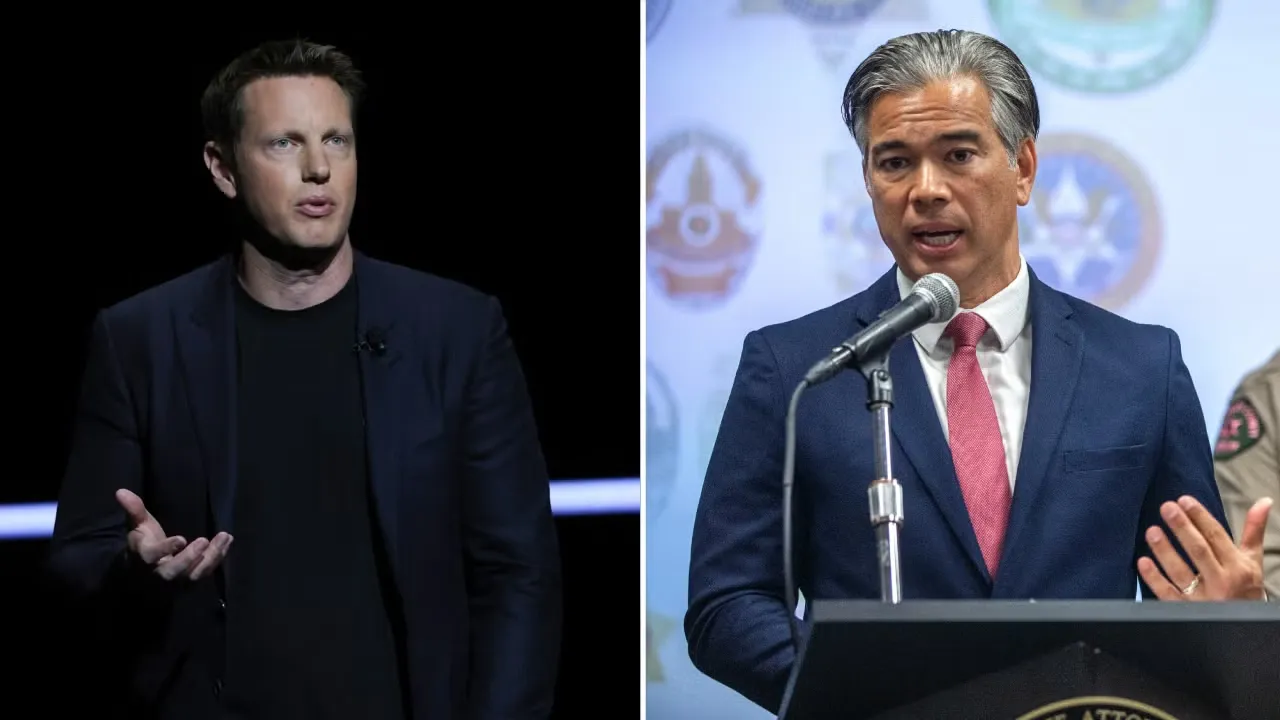
Paramount settles with 12 states, $110B Warner merger clears final hurdle
David Ellison's studio avoids a March trial and a $7M-a-day ticking fee by settling with state AGs over local job losses.