
Dead Space and Call of Duty veteran Glen Schofield retires after 35 years
A LinkedIn exit turns into a blunt memo on budgets, greenlights, and what horror developers can still afford.
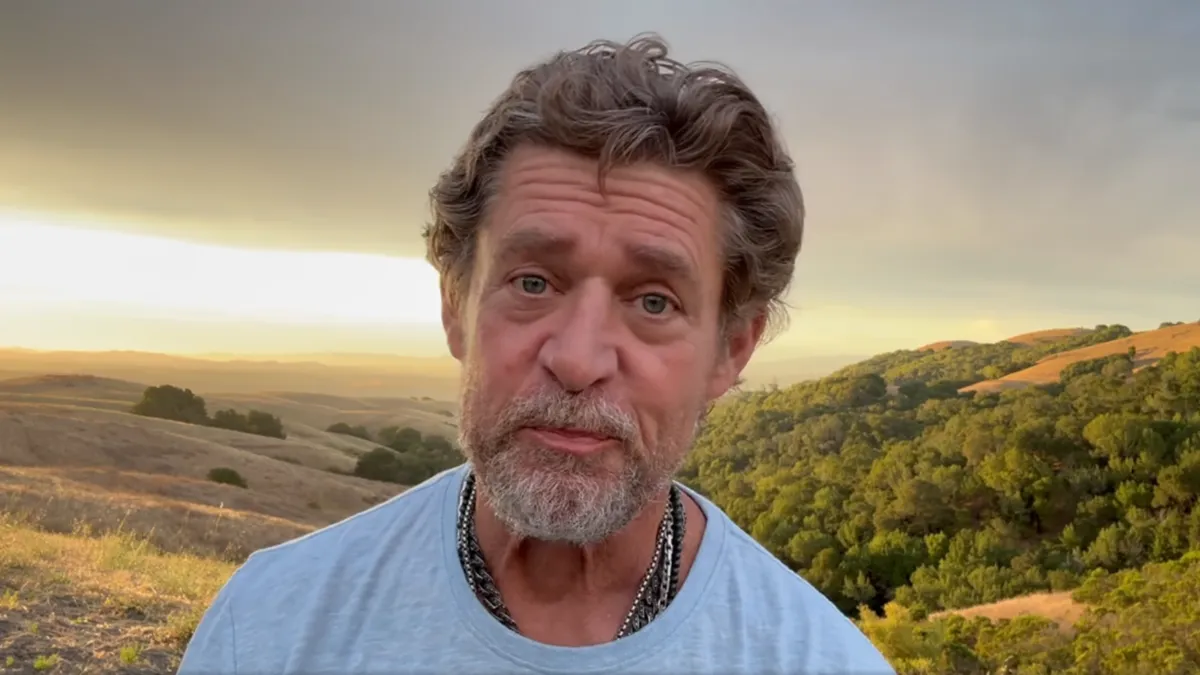
Glenn Schofield, creator of Dead Space and The Callisto Protocol and a Call of Duty veteran, announced his retirement after 35 years in the industry in a LinkedIn video post. For decision-makers, his funding story is a real-time signal of how tightly publishers are rationing risk in 2026.
Glenn Schofield, the creator of Dead Space and The Callisto Protocol and a veteran of three Sledgehammer Call of Duty titles (Modern Warfare 3, Advanced Warfare, and WWII), has announced his retirement after 35 years in the industry. In a LinkedIn video post, he thanked his family, Electronic Arts and Activision, and “the people who supported us in videogames,” calling the last “couple of decades” some of “the greatest times in videogames.”
Then comes the part that lands hardest for anyone betting their career on studios getting funded. Schofield said he had a “front row seat to one of the greatest creative explosions in history,” and then he pivoted to the hard reality behind the explosion: securing funding and getting games greenlit has been getting harder, especially amid what he described as the industry’s post-COVID malaise. That matters because Schofield is not some outside observer. He is the guy associated with a period when blockbuster release calendars reliably filled up with triple-A behemoths, and he’s now telling you what it feels like when that system starts to break.
To understand why his retirement is more than a personal milestone, you have to look at his last attempt to build something new. After the 2022 release of The Callisto Protocol and his subsequent departure from Krafton’s Striking Distance Studios, Schofield tried and failed to raise funding for what he described as “a new sub-genre of horror.” He wrote on LinkedIn in 2025 that people “loved the concept” and the process produced “a lot of second and third meetings.” But early feedback was essentially a budget demand: “get [the budget] to $10M.” Over time, he said that number “dropped to $2-5M.”
That slide from $10M to $2-5M is the kind of detail executives should treat like a flashing dashboard light. It suggests that even when studios can sell the idea, the capital markets and publisher risk appetite determine whether the idea survives. Schofield also said he may have directed his last game at the time, and the source reports that layoffs have continued since then, including huge cuts at Xbox, Bungie, and Ubisoft in 2026. In other words, the greenlight squeeze is not a short-lived quarterly mood. It is becoming structural.
Schofield’s next-phase focus also tracks this shift in incentives. Since shipping The Callisto Protocol and failing to make a new horror game, his focus has shifted to visual art and AI. The source is careful here: Schofield is not framed as an AI naysayer. He spent the bulk of his 2025 Gamescom Asia keynote praising generative AI as a creative tool. But he was dismissive of Elon Musk’s claims that xAI could generate a whole game from scratch. “He’s full of crap,” Schofield said, in the reporting.
The tension is telling. On one hand, Schofield sees generative AI as a creative tool. On the other, he clearly does not believe it replaces the full craft cycle of making a game and financing it. That distinction matters for boards evaluating strategy, because it changes what “AI adoption” should mean in a studio plan. It is not a magic wand that makes multimillion-dollar projects cheaper to ship without tradeoffs. It is closer to a lever for production and iteration, while budgeting, scheduling, and publisher approvals remain the bottleneck.
The broader industry context in the source paints a familiar but escalating picture. Since 2022, tens of thousands of development roles have been shed, the COVID bubble has popped, development costs have ballooned, production cycles have lengthened, and executives have reportedly pursued “delusional goals.” Layer on top “unprecedented hardware cost increases” tied to the AI industry’s pull on RAM and storage, and you can see why it might feel harder for anyone who once commanded mainstream blockbuster momentum. If you were directing or commanding multimillion seller projects 10 years ago and still cannot get a project greenlit, optimism becomes expensive. Schofield’s LinkedIn message ends up balancing realism with encouragement: he says the future is bright, calls the industry “an amazing industry with so many talented people,” and wishes the next generation of game makers luck to “Explore, experiment, enjoy,” adding that “the most important thing is the idea.”
This story's Key Insights and Take-aways are locked.
Create a free account to unlock Executive Actions for one credit.
Register to UnlockAlways free for Executives Club members. Join the Club
More in Technology

Google quietly links your phone number to every Android account on your SIM
Adding a SIM now ties your phone number to all Google accounts - and future accounts inherit it. Here's the security and privacy stakes.

Hijacker AI 'Skynet mode' runs 100,000 attack steps against exposed models
Symantec caught a criminal AI agent that borrows other models, steals data, and mines crypto; the only relief is no confirmed victims yet.

Nvidia's AI-financier shift faces its first big test as neoclouds stumble
A rout in neocloud stocks is forcing investors to weigh Nvidia's hidden exposure as both supplier and lender to the AI buildout.