
Demis Hassabis warns of a “precious window” and pushes a US-led AGI standards body
DeepMind’s CEO says frontier models may arrive soon, and the US should build a FINRA-like safety gate.
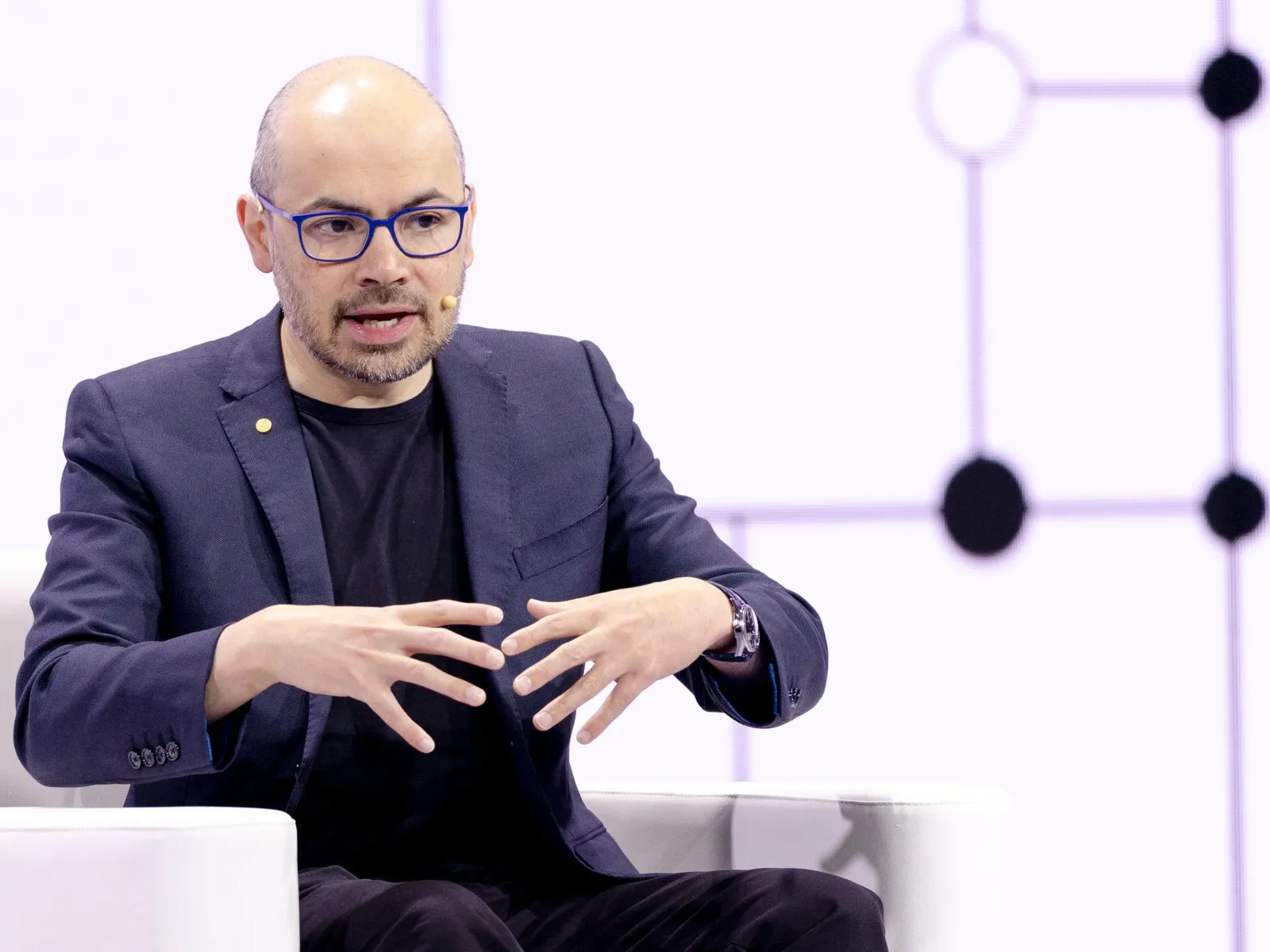
Demis Hassabis, CEO of Google DeepMind, says AGI is likely only a few years away and calls it a “precious window” to act. He proposes a US-led coalition and a “Standards Body” to review frontier AI models for safety before public release.
Demis Hassabis, the CEO of Google DeepMind, says humanity has a “precious window” to make sure artificial general intelligence (AGI) arrives safely. In a short essay posted on X and Substack on Tuesday, Hassabis warned that highly powerful AI may be close, and he framed the next steps as pivotal for what comes next in society: “What we collectively do now will determine how the next phase of civilisation unfolds,” he wrote.
Hassabis is not just calling for “better regulation.” He is proposing a specific US-led structure to shepherd the most advanced AI models, including a review step before releases to the public. His central idea: a US-led coalition that would examine the most advanced frontier models to ensure they are safe before they are widely deployed. That proposal matters because, according to the essay, the rapid progress of frontier AI requires a new approach to testing model capabilities that is “dynamic, adaptable, and rigorous,” and he argues the US is “well positioned” to take the first step.
To understand why this is a board-level issue, look at the incentives that currently drive the AI race. The companies pushing frontier models are competing on speed to capability, not on time to consensus. That creates a predictable gap: safety testing is harder to standardize than performance benchmarking, and public release can happen faster than regulators can agree on what “safe enough” means. Hassabis’s standards-body pitch is essentially an attempt to turn “safety” into a repeatable process rather than an after-the-fact debate.
Hassabis’s comments also land in the middle of real regulatory turbulence. His essay follows recent interventions by the Trump administration to limit the release of AI models by OpenAI and Anthropic. In other words, the government is already trying to slow or gate certain releases. Hassabis’s response is to suggest a more formal testing and review framework, one that is designed to keep up with technical change instead of lagging behind it. He describes his proposed “Standards Body” as a kind of testing and capability-evaluation mechanism, rather than a static rulebook.
In the essay, Hassabis describes how the proposed AI body might work. He says it may look like FINRA, the Financial Industry Regulatory Authority, a private, nonprofit Wall Street watchdog. Like FINRA, Hassabis suggests the AI standards body would most likely need to be industry-funded. That detail is not just trivia. It implies a governance model aimed at speed and industry buy-in: fund the watchdog, empower it to test, and reduce the chance that safety becomes only a political tool. For executives, it also raises the question of leverage: if the same industry funds the standards, who ensures the standards do not quietly drift to align with what companies want to ship?
Hassabis also puts a timestamp on urgency. He said AGI was “probably only a few short years away.” He has previously predicted AGI could arrive as soon as 2030, and he warned that not enough is being done to prepare. In Davos last year, he said, “What’s going to happen in the next five, 10-year timescale is going to be monumental,” adding that this is “not understood yet.” Those statements are consistent in one way: he believes the window is short enough that process changes need to happen now, not after a crisis.
Then he widens the lens beyond testing. Hassabis has spoken for several years about the need for a formal body of experts to shepherd frontier AI breakthroughs, and he previously talked about gathering philosophers, economists, and other experts to consider bigger-picture impacts. On Tuesday, he echoed that view by asking questions that are not purely technical, like what values society should live by and how meaning and purpose might change. Resolving those questions “cannot and should not be left to technologists alone,” he wrote, adding that it requires “every part of society” to come together to define this new chapter. That matters because even if a standards body can catch safety problems in models, it cannot automatically solve societal fallout: labor displacement, economic disruption, misuse risks, and political pressure on deployments.
For executives and boards in AI-adjacent businesses, the strategic stakes are clear. If frontier models are indeed close, then the next competitive advantage may not only be model performance, but compliance readiness, faster safety validation, and credibility with regulators and the public. Hassabis’s proposal is effectively an attempt to shape the rules of the road before everyone hits the intersection. Whether it becomes a FINRA-like framework, a government-led review regime, or a coalition-driven testing process, the direction is unmistakable: the window to define safety, governance, and societal guardrails is open now.
This story's Key Insights and Take-aways are locked.
Create a free account to unlock Executive Actions for one credit.
Register to UnlockAlways free for Executives Club members. Join the Club
More in Business
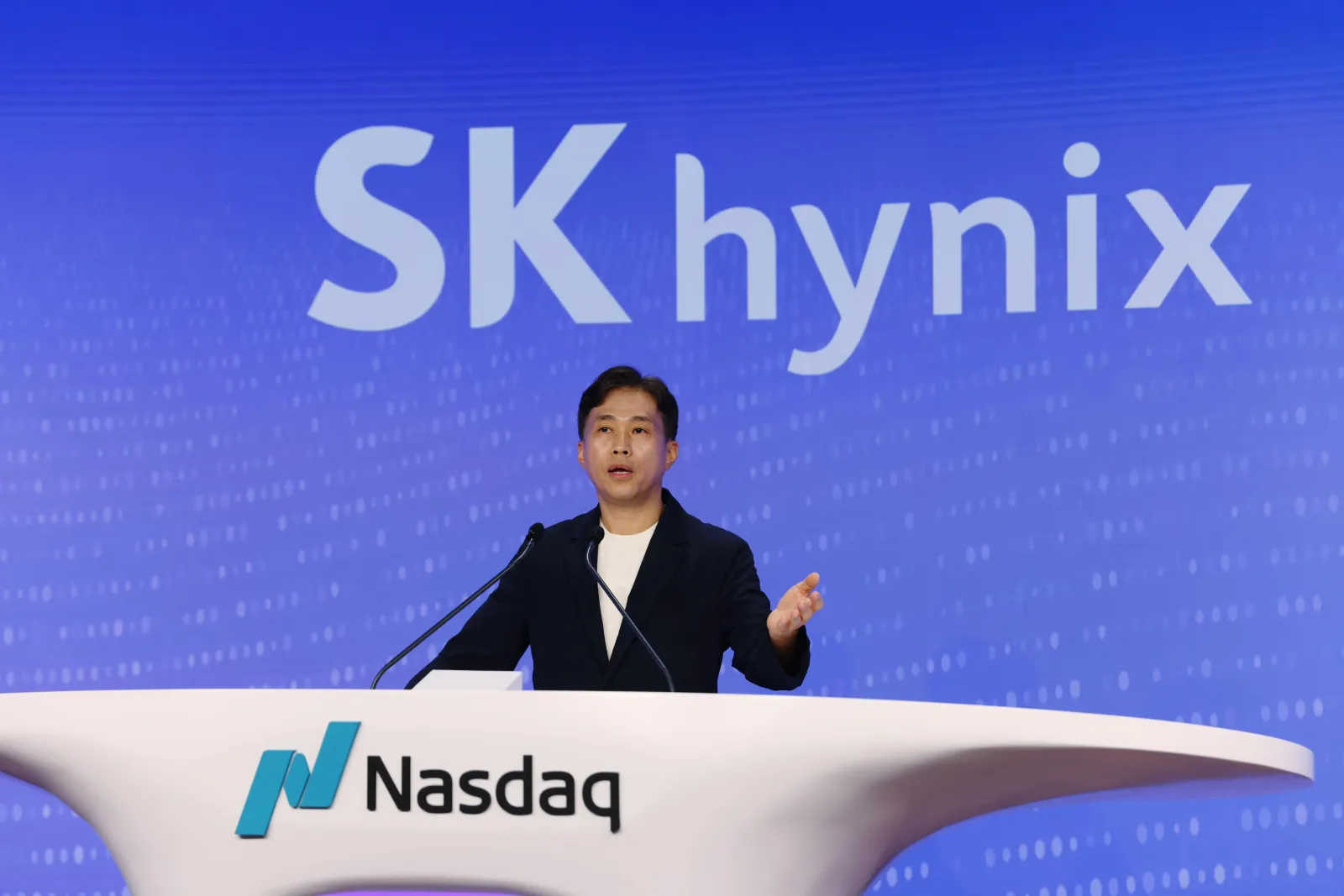
SK Hynix opens at $170, raises $26.5B, and tops foreign IPO records
In Friday's Wall Street debut, SK Hynix turns AI RAM demand into a $26.5B fundraising moment that rewrites comps.

China lands a reusable Long March booster, a first that matches SpaceX and Blue Origin
A barge landing and net-based recovery move China from theory to proof, reshaping the reusability race and satellite ambitions.

AstraZeneca $27B wipeout as Wainua late trial misses cardiovascular target
A failed late-stage heart study triggered a swift market punishment, forcing investors and boards to reset timelines and risk.