
Democrats' election and law-enforcement chiefs plan for possible midterm federal interference
Plans are ramping up, because officials worry the federal government could disrupt election administration.
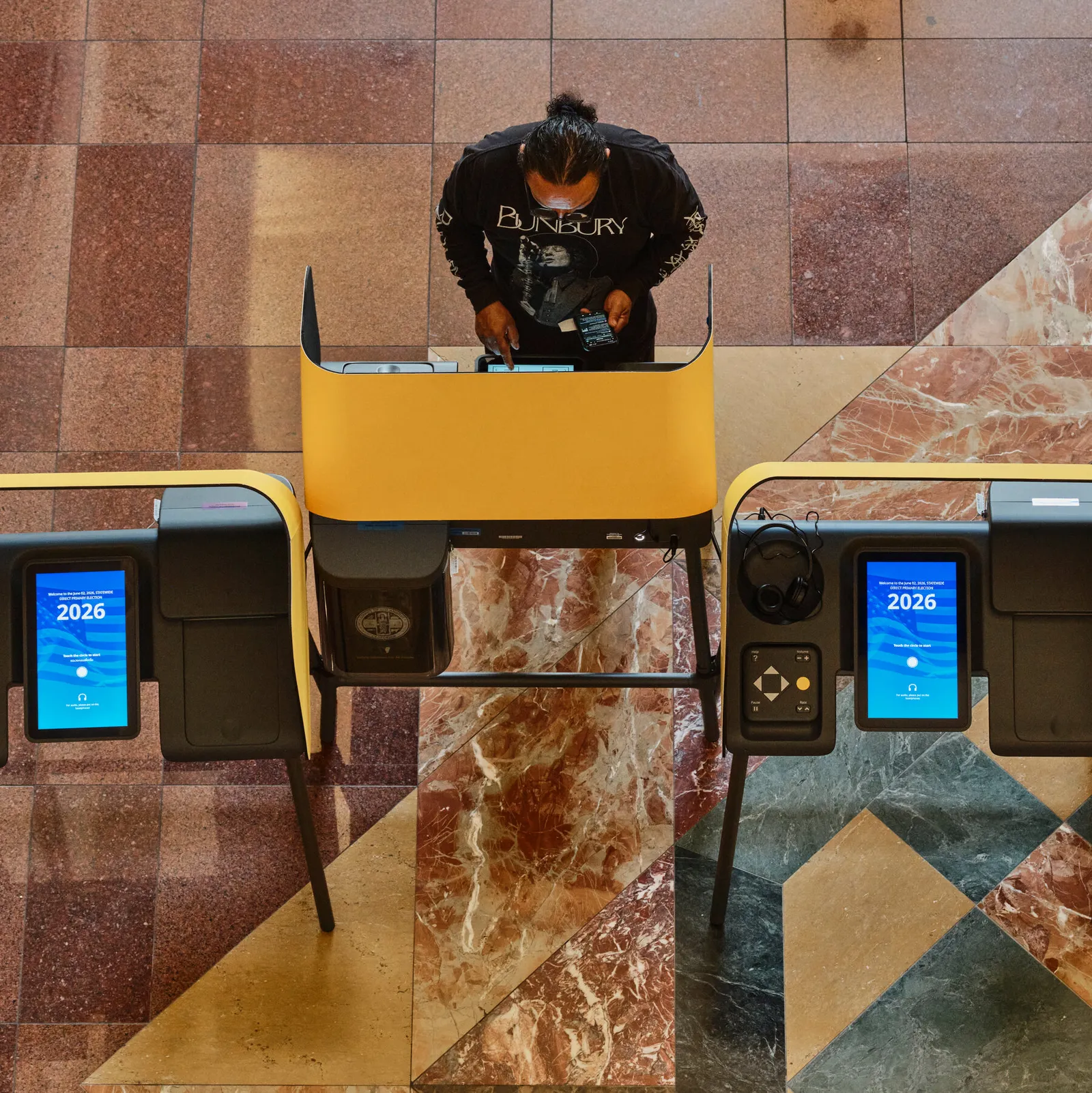
Top officials overseeing state elections and law enforcement are stepping up preparation for what they worry could be interference in the midterms. For decision-makers, that means more operational coordination, more legal readiness, and more scrutiny of how election processes are protected.
Top officials overseeing state elections and law enforcement are stepping up plans to prepare for what they worry could be interference in the midterms. The concern is not abstract. It is operational, and it is aimed at the point where elections get decided, meaning the mechanics of administration, enforcement posture, and what happens when authority overlaps.
What matters right now is the signal. These officials are treating the midterms like a potential stress test, one where federal involvement could complicate state-level execution. Even without a specific allegation spelled out here, the direction is clear: the people running election oversight and those responsible for law enforcement are planning as if they could face interference pressures before, during, or after voting.
To understand why this is a big deal beyond politics, zoom out to how U.S. elections actually work. States administer elections under their own rules, with federal law setting floors and constraints. That division is intentional. It is also where tension can form. When federal agencies take action, states may view it through an “authority and process” lens. Law enforcement may view it through a “threat and enforcement” lens. Election administrators view it through chain-of-custody, ballot handling, reporting integrity, and the ability to correct errors quickly without undermining trust.
In that environment, preparation is not just about stopping bad actors. It is also about preventing confusion. If the public thinks ballots are being blocked, delayed, or improperly handled, trust drops. Trust is not a vibe, it is an operational asset. Lower trust increases the workload on everything from courts to agencies to media organizations because more disputes become more likely, more urgent, and more politically charged.
This is where incentives matter. State election officials need elections to run predictably. Their credibility depends on repeatable procedures: consistent training, consistent counting protocols, and consistent escalation paths when something breaks. Law enforcement leaders need a workable definition of threats and misconduct. Their credibility depends on acting within legal boundaries and not amplifying claims without evidence. If both tracks are forced to respond in real time to federal pressure or federal actions, coordination quality becomes the difference between “handled” and “chaotic.”
The second-order implication is boardroom level, even for companies far from election administration. When governments plan for interference, they often tighten compliance behaviors and increase security emphasis across systems that are tangentially connected to elections. That can include vendors, communications infrastructure, and critical IT operations. For executives, the question becomes whether their organizations handle election-adjacent services and whether those services need additional controls, documentation, or legal review. Even if a company is not directly involved in running elections, it can still feel spillover in procurement requirements, policy mandates, or incident response expectations.
There is also a regulatory and legal framing component. Election disputes and election security efforts tend to collide with legal questions: what actions are permissible, who has jurisdiction, and what remedies are appropriate. When top officials publicly signal preparation for interference, it often means they anticipate legal friction. That friction can show up later as litigation, investigations, or formal complaints, all of which require documentation and careful process. For decision-makers, legal readiness is not just a reactive function. It becomes a planning discipline: What records will exist? What decision logs will be needed? What thresholds will trigger escalation?
Finally, consider the strategic stakes for peers in similar roles. If your job is election oversight, law enforcement coordination, or any adjacent regulatory responsibility, you cannot wait for a crisis to design your response. The move described here is early planning, aimed at maintaining operational control when the environment is unstable. That is the same playbook used in other high-stakes domains like cybersecurity or market regulation, where the goal is not to prevent every event but to reduce the damage when events occur.
So the practical takeaway from this report is simple and serious. Democrats’ election and law-enforcement chiefs are preparing for possible interference in the midterms, which raises the odds of coordination fights, legal process pressure, and public trust strain. For anyone who runs high-stakes public-facing operations, it is a reminder: in elections, as in finance and infrastructure, credibility is built in advance, and execution is tested under stress.
This story's Key Insights and Take-aways are locked.
Create a free account to unlock Executive Actions for one credit.
Register to UnlockAlways free for Executives Club members. Join the Club
More in Politics
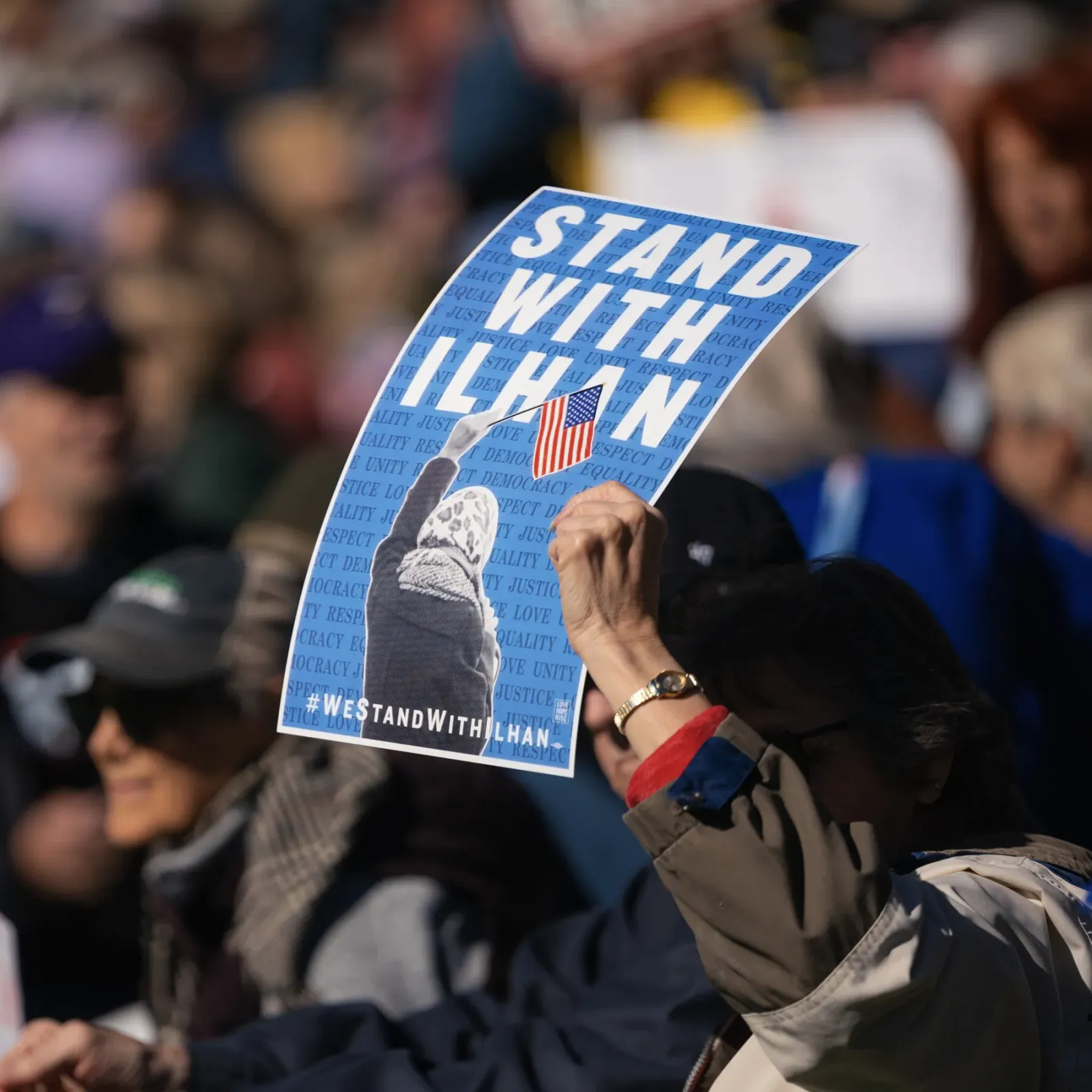
Obama Defends Ilhan Omar After Agents Search Her Home in Trump Inquiry
The former president's intervention raises the stakes in a federal probe into immigration paperwork that has put a prominent progressive lawmaker in the crosshairs.

Blair-era minister: cut welfare to fund youth job support
Alan Milburn's call for welfare cuts to fund employment support opens a Labour fight over benefits and the Neet crisis.
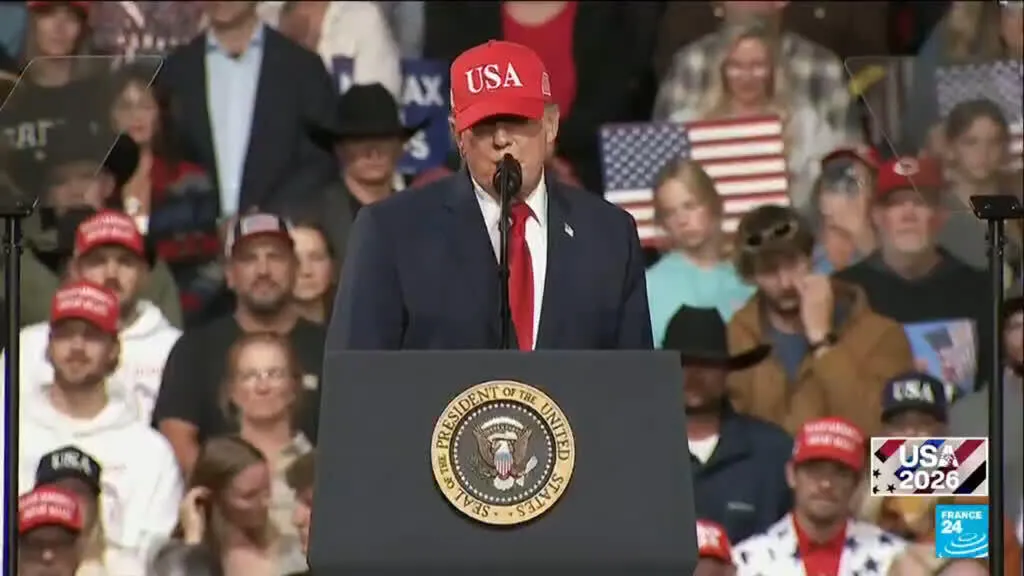
Hot September CPI: energy costs surge, voters feel the squeeze before midterms
The latest inflation print lands as Trump campaigns for GOP control of Congress, putting cost-of-living worries at the center of the midterm fight.