
Democrats put South Carolina first in the 2028 primary, then Nevada
The new calendar starts in South Carolina to prioritize Black and Latino voters, with Nevada next.
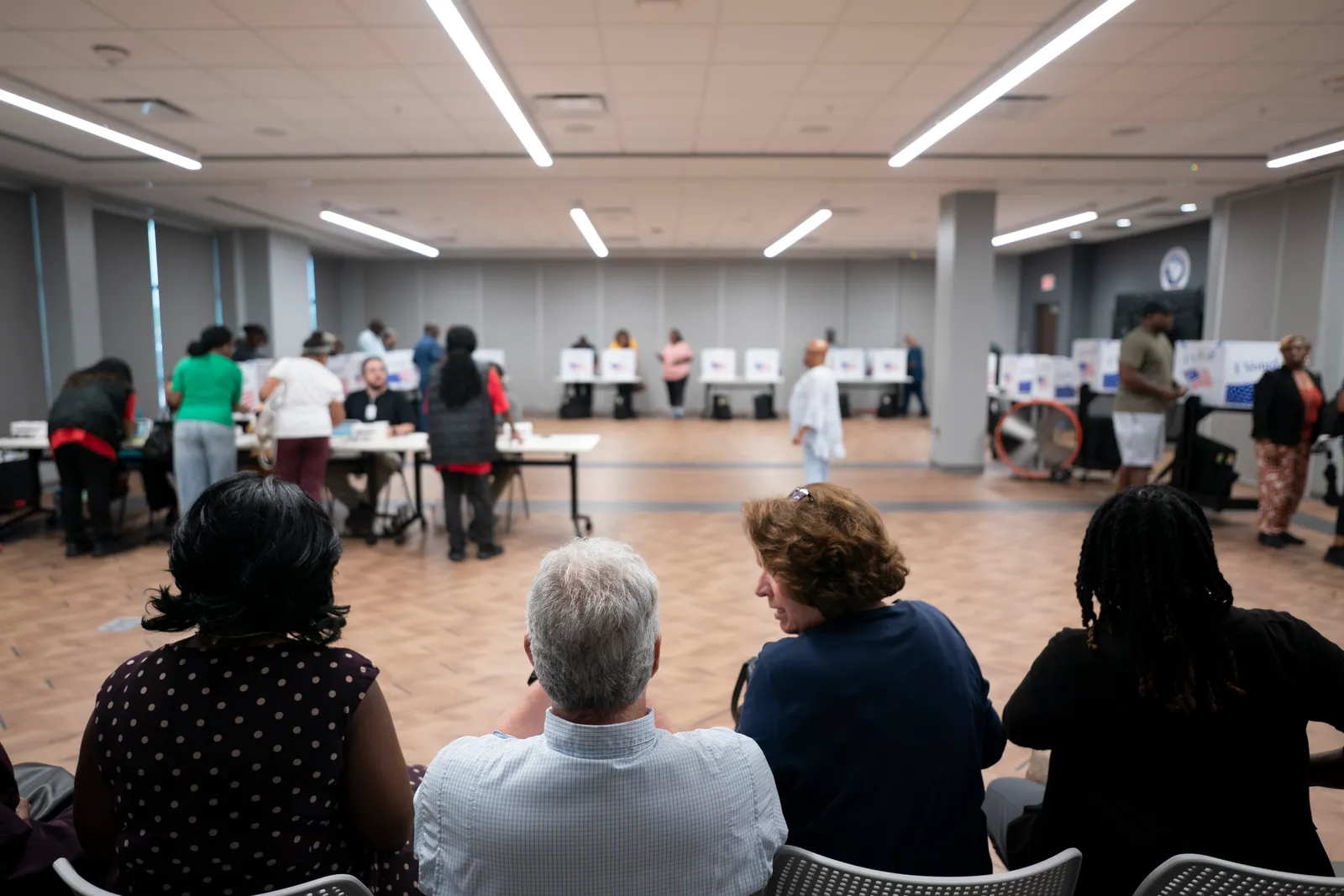
Democrats approved a new primary election calendar for the 2028 presidential cycle, choosing South Carolina for the first primary followed by Nevada. For decision-makers, the early-state order signals how party leaders plan to allocate attention, resources, and coalition-building during the opening phase of the nomination fight.
Democrats approved a new primary election calendar for the 2028 presidential cycle, and the opening move is as specific as it is strategic: South Carolina will host the first 2028 presidential primary, then Nevada will follow. The party is also explicitly prioritizing Black and Latino voters in how it sequences the early contests. In the same package, New Hampshire, New Mexico, Michigan, and Virginia are also set to hold early contests.
So yes, this is an election calendar story. But the real question for executives, investors, and anyone who cares how political power gets organized is: who gets the platform first, and who has to earn it later. By putting South Carolina at the front and Nevada second, Democrats are shaping the early narrative before candidates even fully hit their fundraising legs, staffing ramps, and messaging cadence for the long stretch of state-by-state voting. The calendar is not just a schedule. It is an attention allocation mechanism, and the first states become the first “proof points” for campaigns that will otherwise struggle to stand out.
Why does the sequence matter so much? Campaigns operate like time-sensitive businesses. Early contests compress time-to-feedback. Win early and your coalition broadens. Lose early and you immediately confront tough questions about strategy, fundraising durability, and whether your message is landing. Even when candidates say they are “building momentum,” momentum is usually just a shorthand for resources and credibility stacking up in the donor ecosystem, in media coverage, and within the party’s internal networks.
Democrats, according to the story, chose South Carolina as the first primary and then Nevada as the next step, prioritizing Black and Latino voters. That explicit focus is the clue to what is being optimized: representation and turnout in the earliest phases where most voters will be deciding whether a campaign is “real.” In practical terms, prioritizing specific communities early influences how candidates craft outreach, language, and surrogate selection, because the electorate you see first tends to shape what campaigns decide to double down on.
The rest of the early calendar also matters because it adds texture to the coalition math. New Hampshire, New Mexico, Michigan, and Virginia are all on the early list as well. Those states typically bring different regional dynamics and voter priorities, which means candidates have to navigate multiple audiences quickly. That can reward campaigns that are disciplined, organized, and able to adapt their message without losing cohesion. It can also punish campaigns that rely on a single narrative that works in one place but fails to translate elsewhere.
There is another layer for decision-makers: calendars are governance. The ability to approve a primary election calendar is power inside a party system, and internal party choices often reflect coalition bargaining. Moving first-state status is a way to influence which voter groups get concentrated attention early. That, in turn, affects which interests get momentum inside the party apparatus, from local organizers to advocacy networks that are looking for early validation.
Second-order implications are where this becomes board-level relevant. Media coverage follows the calendar. Donors follow media. Volunteers follow donors. And when you compress political visibility into a specific order, you tend to create a high-stakes “launchpad” effect for the first contest states. Companies that serve political ecosystems, vendors supporting campaigns, and even platforms handling high-volume political activity all feel these shifts. When leaders decide that South Carolina opens the 2028 primary calendar and Nevada comes next, they are also deciding when the broader political economy wakes up.
For peers in leadership roles, the strategic stakes are clear: if you are running a campaign, building partnerships, or investing in political infrastructure, the early order determines your first moment to prove viability. This calendar choice puts candidates under pressure to connect with Black and Latino voters from the start, not as a late-cycle afterthought. In a nomination fight where early contests can shape fundraising and momentum, the question is not only who wins in South Carolina first, but who is positioned to convert that opening into sustained support across the early slate that includes Nevada, New Hampshire, New Mexico, Michigan, and Virginia.
This story's Key Insights and Take-aways are locked.
Create a free account to unlock Executive Actions for one credit.
Register to UnlockAlways free for Executives Club members. Join the Club
More in Politics
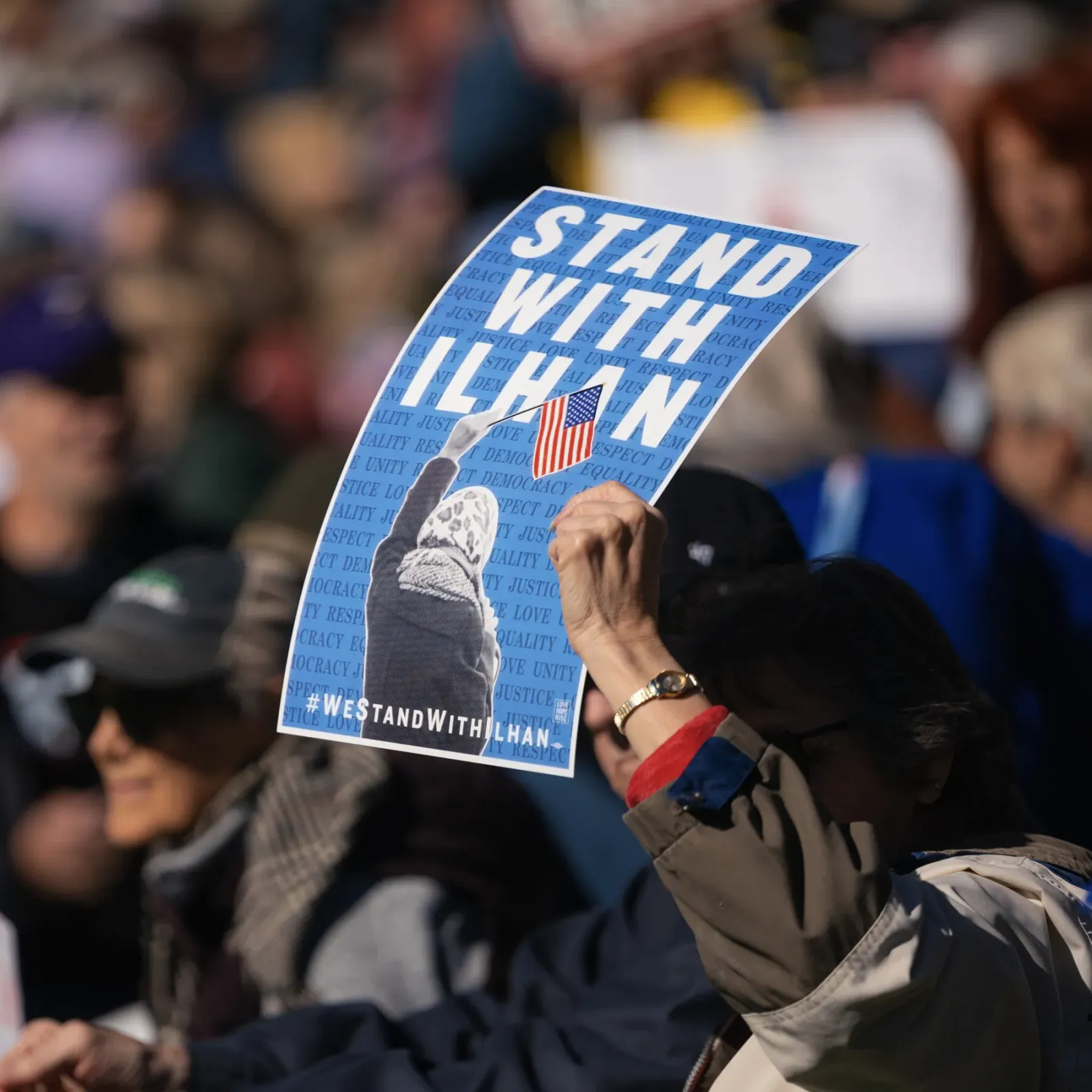
Obama Defends Ilhan Omar After Agents Search Her Home in Trump Inquiry
The former president's intervention raises the stakes in a federal probe into immigration paperwork that has put a prominent progressive lawmaker in the crosshairs.

Blair-era minister: cut welfare to fund youth job support
Alan Milburn's call for welfare cuts to fund employment support opens a Labour fight over benefits and the Neet crisis.

Hot September CPI: energy costs surge, voters feel the squeeze before midterms
The latest inflation print lands as Trump campaigns for GOP control of Congress, putting cost-of-living worries at the center of the midterm fight.