

DNA from 45 colonial-era Montreal skeletons finds zero Indigenous ancestry
A new PNAS study challenges Quebec's founding myth of intermarriage, with real stakes for identity claims and Indigenous rights.
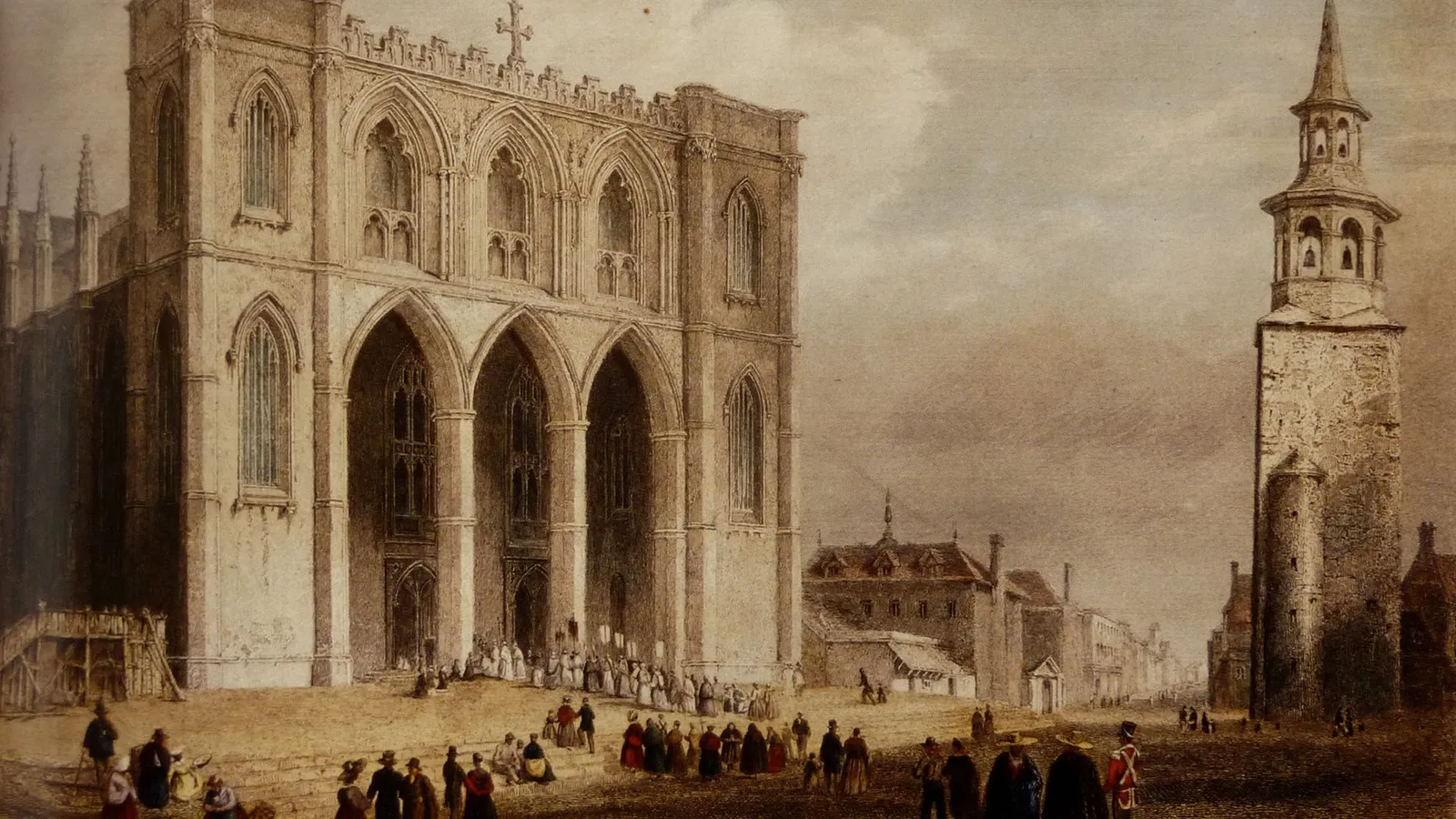
Diane Martin-Moya and colleagues sequenced DNA from 45 people buried in Montreal's Notre-Dame Cemetery and found all had French European ancestry with no recent Indigenous or African admixture. The finding complicates popular family stories of Indigenous ancestors and sharpens the political weight of ancestry claims in Quebec.
The number to know is 45: every one of the 45 skeletons buried in Montreal's Notre-Dame Cemetery between 1683 and 1796 carried French European ancestry, with no detectable recent Indigenous or African admixture, according to a study published Oct. 5 in the journal PNAS. The finding directly challenges the popular Quebec narrative that early French colonists and Indigenous people frequently intermarried, and it throws cold water on the family lore that many French Canadians have inherited about a distant Indigenous ancestor.
Study first author Diane Martin-Moya, a biological anthropologist at the University of Quebec in Trois-Rivières, said family stories of an Indigenous ancestor are very common in Quebec, and commercial genealogy and DNA tests have amplified this phenomenon. But she warned that distant or claimed Indigenous identities can actually undermine the rights, resources and recognition of Indigenous nations. That warning gives the study stakes far beyond a genealogy curiosity: in Canada, Indigenous identity is tied to legal status, land claims and community membership, and vague DNA-based claims can blur those boundaries.
The research team sequenced DNA from 45 individuals buried in Notre-Dame Cemetery, which was established in Montreal in 1683 and used for Catholic burials until 1796. They compared the ancient genomes with reference data from Europe, West Africa and Indigenous groups in the Americas. Previous studies of the cemetery had produced disagreement over whether people of Indigenous, European, African or mixed ancestry were buried there. The new results settle that question for this sample: all 45 individuals were of French European origin, with no sign of recent Indigenous or African admixture.
Martin-Moya was careful to limit the claim. The sample is small and comes from a single cemetery, so it does not prove that such unions never happened. It is, however, consistent with genealogical and genetic studies suggesting that Indigenous ancestry among present-day French Canadians is very limited. Raquel Fleskes, a molecular anthropologist at Dartmouth College who was not involved in the research, said the apparent lack of genetic mixing among European, African and Indigenous populations in this cemetery group provides a perspective on population relationships during the colonial period, one where perhaps nongenetic interactions were present but no biological relationships were found.
The DNA also helped the researchers identify several genetic lineages that spanned multiple generations. But the graves were scattered across multiple areas of the cemetery, suggesting that burials were not organized into family plots. Fleskes said this suggests that, in the 17th century, people in Montreal may have been burying their dead in a way that was not defined by strict biological kinship ties. That detail matters for historians trying to reconstruct social structure from burial patterns: family plots are not a given, even in a Catholic cemetery.
Martin-Moya stressed that the results do not necessarily apply to all of colonial Montreal. Not identifying recent Indigenous or African admixture in this sample does not imply that Indigenous or African-descended people were absent from the city. Changes in the use of the cemetery over time also may have influenced the findings, as reburials and later urban development disturbed or destroyed earlier graves. Those buried inside the church, mostly clergy and wealthier residents, were more likely to be exhumed and moved, while the city's poorer residents were buried outside the church and further buried beneath the expanding city. This means the skeletons in the study may have been the remains of lower-class French colonists.
Archival records show that some Indigenous people were buried in Catholic cemeteries in Montreal as early as the 17th century, Martin-Moya said. Over time, though, Indigenous communities were increasingly separated from the colonial town through land dispossession and the relocation of missions away from urban centers, so their dead would most likely have been buried in those communities. Enslaved people, both Indigenous and African, were often buried on their enslaver's property or in cemeteries for the poor. The cemetery sample, in other words, may reflect who had access to a particular burial ground, not who lived in the city.
The results do not mean that Québécois have no Indigenous ancestors or that relations between French settlers and Indigenous peoples were only hostile. Those relationships were complex and included alliances, trade, conflict and, sometimes, family ties. Martin-Moya's key point is that when such ancestry exists, it needs to be put in context. A single ancestor who lived more than 300 years ago does not say the same thing about a person today as being raised within an Indigenous family, community or nation. For executives, policymakers and anyone reading a DNA test, the study is a reminder that genetic evidence can reshape national origin stories, and that identity claims carry legal and political weight far beyond a genealogy chart.
This story's Key Insights and Take-aways are locked.
Create a free account to unlock Executive Actions for one credit.
Register to UnlockAlways free for Executives Club members. Join the Club
More in Science
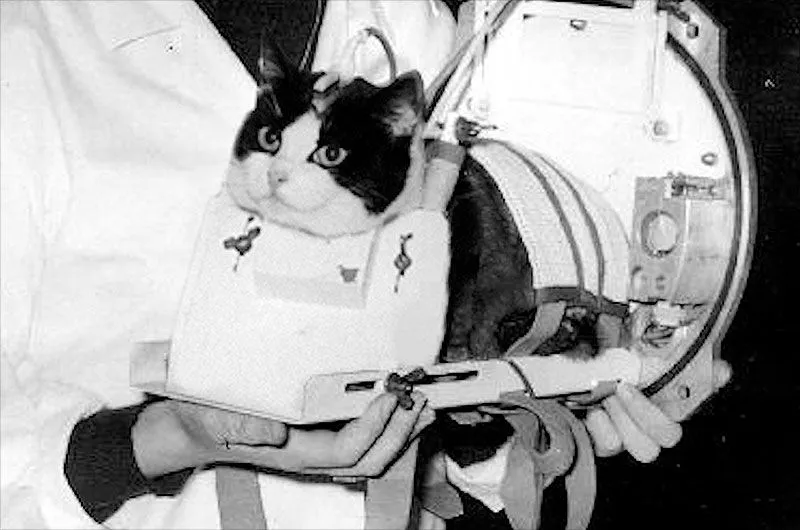
France euthanized Félicette, the first cat in space, two months after her flight
Félicette's 1963 flight made France a space-race player, but her euthanasia and a crowdfunded statue reveal how high-risk programs are remembered.
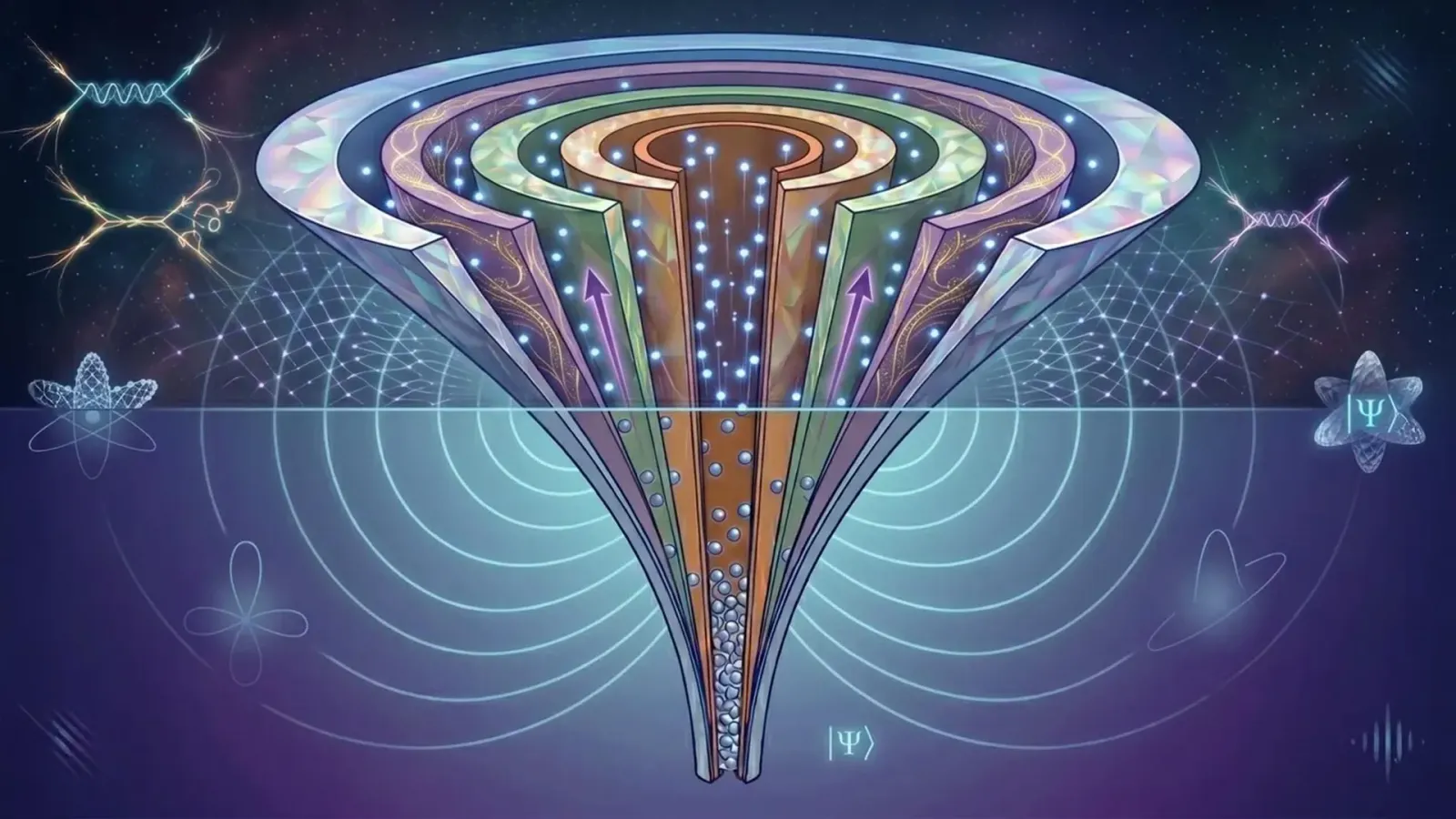
Ultracold atoms just created a 'fractional Fermi sea' that breaks quantum rules
A new quantum state challenges decades of theory and hints at 'super-Fermions,' with real stakes for quantum computing and materials science.
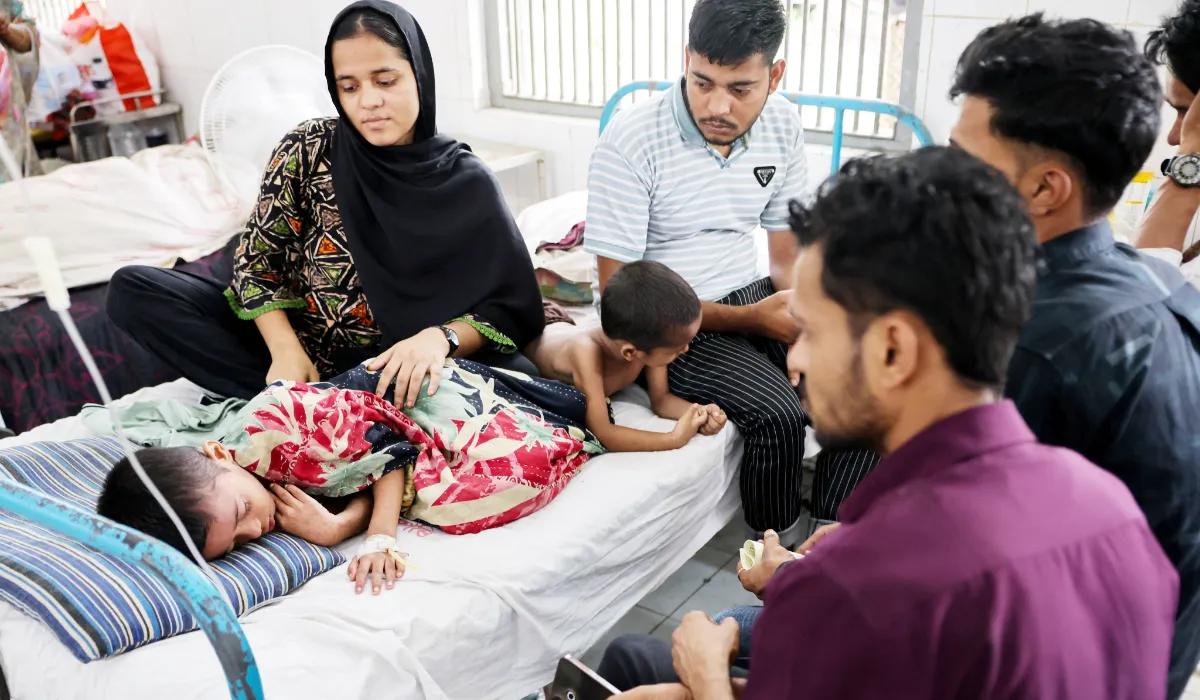
Bangladesh's 202,000 measles cases are a 'real warning' to other nations
The world's worst measles outbreak is spreading as routine vaccination falters. Here is why every country's immunization program should pay attention.