

DNC names South Carolina first for 2028, beating Nevada after tense rules vote
Jan. 22 is locked in for the Palmetto State, with Nevada next, and a calendar fight spills into every region’s leverage.
The Democratic National Committee’s Rules and Bylaws Committee voted Friday to make South Carolina the first presidential primary state for 2028, setting it for Jan. 22 and edging Nevada to second. The consequence is immediate for 2028 strategy: a reorganized early-voting map that elevates the South and Southwest while Midwestern and Northeast Democrats warn it dilutes their influence.
Democrats just rewired the 2028 primary calendar in a way that can’t be “managed later.” The DNC’s Rules and Bylaws Committee on Friday scheduled South Carolina’s presidential primary for Jan. 22, and tentatively set the rest of the early-voting slate to follow with Nevada, New Hampshire, New Mexico, Michigan, and Virginia. South Carolina edged out Nevada, a contender for the leadoff slot that had played a prominent role in recent cycles.
On paper, this is an order on a spreadsheet. In practice, it determines who gets early momentum, who gets heard, and which regions can claim “first” relevance. The committee also sparked a tense side plot while finalizing the details: it added Virginia and New Mexico to the early window for the first time, and then debated the sequencing inside the early pack. According to the meeting outcome described in the source, New Mexico would vote on Feb. 15 before Michigan, because Michigan Democrats cannot move their primary unilaterally.
Why South Carolina? The decision leaned on two forces: logistics and politics. The DNC said it had concerns about Nevada’s ability to process election results quickly. It also described a goal of strengthening Black voting power in the South following the Supreme Court’s Callais ruling, which significantly restricted the Voting Rights Act earlier this year and triggered redistricting efforts. That framing matters because redistricting changes where competitive districts are, and early primaries are where campaigns build the narrative that they understand those shifts.
The calendar itself is a clean break from what many Democrats are used to. Michigan will be the Midwest’s early state, and Iowa, which led the nominating calendar for decades through 2020, loses that premier placement. New Hampshire, which has gone second in most past cycles, got bumped back to third place. The geographic tradeoffs are explicit in the reporting: the early calendar leaves the Midwest represented only at fifth place and elevates the South and Southwest, regions with large Black and Latino populations.
And the room got heated. Representative Debbie Dingell (D-Mich.) pushed back during the meeting, saying, “We had four regions for a reason, and we should be respecting that,” and adding, “For too long, Democrats flew over the Midwest.” That frustration is not just cultural. It’s procedural leverage. Early-voting order influences how delegates and attention accumulate, and it changes which candidates can afford to campaign in which places, when.
The adopted calendar will still need final approval by the full DNC at its August meeting in Austin. But the sourcing makes clear this was not a casual reshuffle. The vote came after months of lobbying by politicians and operatives across battlegrounds, with public letters and private interactions, including handwritten notes from New Mexico Gov. Michelle Lujan Grisham and “literal sweeteners” in swag bags of local goods. In other words, the calendar was treated like a power tool, because it is.
The source also lays out how avoidable timing mechanics may have distorted the outcome. Jane Kleeb, chair of the Nebraska Democratic Party, said the mid-September deadline to move a state’s primary date caught her and other members by surprise and ultimately ended up costing Michigan an even more prominent placement. Kleeb said, “The rule was passed last year. A lot of us, because we deal with a lot of things, just forgot about it,” and added that many believed there was time until Jan. 15.
That detail matters because it suggests the calendar is not just about persuasion. It’s about process discipline. If the window for moving dates is missed, you can have the right arguments and still lose placement. In the same vein, Dennis Speight, a DNC member from Texas who supported New Mexico getting moved into the early round, argued timing would have swallowed New Mexico if it had been wedged between higher-profile states. The argument here is blunt: New Mexico might have gotten “lost” between Michigan and Virginia because of delegate gravity, even though the state made the case for inclusion.
DNC chair Ken Martin, previously head of the Minnesota Democratic Party, tried to contain the damage for the Midwest by insisting Michigan will still matter. After the meeting, he said he wants to ensure Michigan “does not get overlooked,” citing delegates: “When you think of all the other states and the number of delegates that will come out of Michigan and Virginia compared to the other states, there's no way they're going to be overlooked in that process.” Dingell made a related point, saying Michigan’s role as the first large state would ensure candidates “are going to be there, they’re going to have to talk about the issues.” Translation: even if the calendar order changes, bigger delegate math can force campaign attention.
The broader political context driving this is visible in who showed up and why. The source reports that South Carolina drew repeated visits from potential 2028 candidates this year, including former Vice President Kamala Harris, Maryland Gov. Wes Moore, Sen. Cory Booker (D-N.J.), Sen. Ruben Gallego (D-Ariz.), and former ambassador Rahm Emanuel. It also notes California Gov. Gavin Newsom, Kentucky Gov. Andy Beshear, and Rep. Ro Khanna (D-Calif.) visited last summer. That is the kind of early attention that can convert into donor confidence and coalition-building.
Meanwhile, Nevada’s pitch was that it is better positioned than South Carolina because it is union-heavy, diverse, and has a large Latino population. That argument had support from the Congressional Hispanic Caucus and Xavier Becerra, who is running to be the first Latino governor of neighboring California. But RBC members worried that Nevada’s “grace period” for counting late-arriving mail ballots could delay results and create chaos if Nevada were first.
The pushback didn’t come only from internal regional complaints. New Hampshire and Iowa Democrats publicly criticized the calendar as a departure from premium placement. New Hampshire Sens. Jeanne Shaheen and Maggie Hassan, and Reps. Chris Pappas and Maggie Goodlander, said in a statement: “The Democratic National Committee’s decision today is wrong for Democrats, wrong for New Hampshire, and wrong for the country,” and called the decision “just another example that National Democrats are truly out of touch with voters.” Iowa Democratic Party chair Rita Hart said, “Iowa is the center of the political universe right now.”
The DNC’s earlier attempts underscore how hard it is to get states into the early window. In 2024, the DNC unsuccessfully attempted to add Georgia, which depended on whether Peach State Democrats could flip the governor’s and secretary of state’s offices in November. North Carolina also faced logistical hurdles. Against that background, the South Carolina win looks less like a simple preference and more like a hard-fought compromise between political outreach, election administration risk, and rules mechanics.
So what’s the strategic stake for leaders across campaigns, donor networks, and party operations? The source is clear that early order “significantly shape[s] the path to victory” for the field of Democrats eyeing the 2028 presidential nomination. The map shifts who gets to tell the first story and who is forced to wait, and it reshapes regional bargaining power inside the party. In 2028, that could decide not only momentum, but which arguments become “the” arguments before the national contest even begins.
This story's Key Insights and Take-aways are locked.
Create a free account to unlock Executive Actions for one credit.
Register to UnlockAlways free for Executives Club members. Join the Club
More in Politics
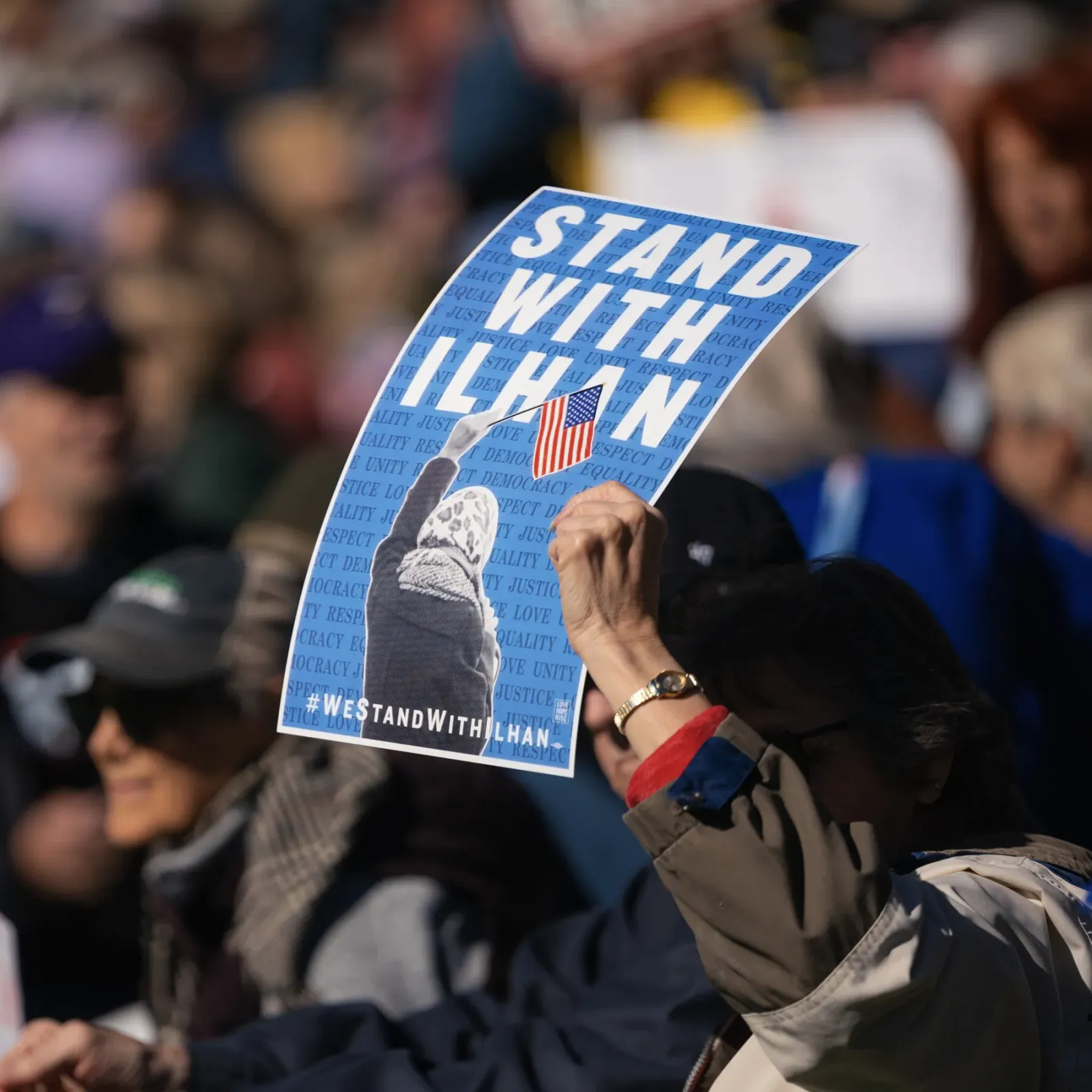
Obama Defends Ilhan Omar After Agents Search Her Home in Trump Inquiry
The former president's intervention raises the stakes in a federal probe into immigration paperwork that has put a prominent progressive lawmaker in the crosshairs.

Blair-era minister: cut welfare to fund youth job support
Alan Milburn's call for welfare cuts to fund employment support opens a Labour fight over benefits and the Neet crisis.

Hot September CPI: energy costs surge, voters feel the squeeze before midterms
The latest inflation print lands as Trump campaigns for GOP control of Congress, putting cost-of-living worries at the center of the midterm fight.