
DOJ drops David Hearn charge as Burgum insists Lincoln Reflecting Pool was vandal damage
Interior Secretary Doug Burgum rejects DOJ’s “construction” framing after the government seeks dismissal of a felony count.
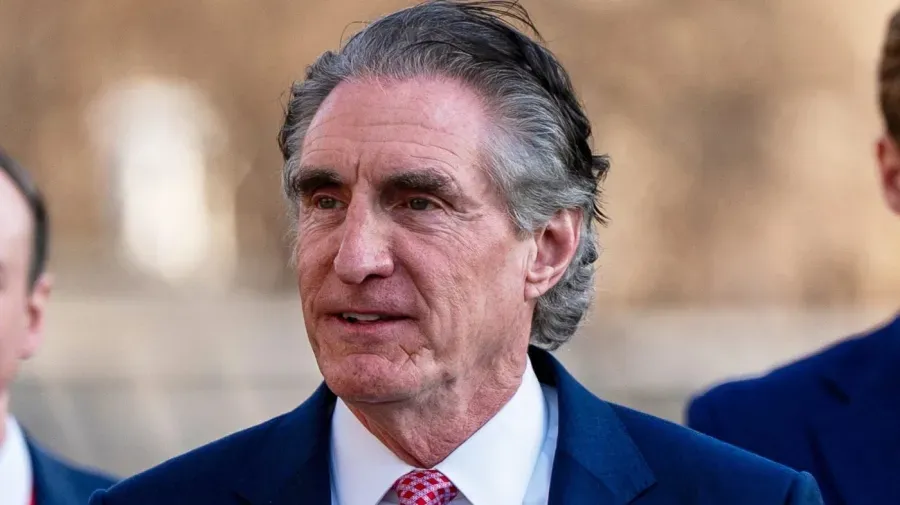
Interior Secretary Doug Burgum says damage to the Lincoln Memorial Reflecting Pool was caused by vandals, not faulty construction. The DOJ moved to dismiss its felony destruction-of-property charge against former Olympian David Hearn after new evidence emerged.
Interior Secretary Doug Burgum is digging in on a key factual dispute tied to the alleged vandalism case involving damage to the Lincoln Memorial Reflecting Pool. Burgum doubled down on the claim that vandals were responsible, pushing back against the Justice Department’s assessment that faulty construction was to blame.
That matters because the Justice Department’s posture just shifted in a very specific way. On Friday, the DOJ moved to dismiss its felony destruction-of-property charge against former Olympian David Hearn after finding new evidence that the damage to the Reflecting Pool came from a different cause than the one initially supported by the government’s charging theory.
Put plainly, this is what a courtroom fight over causation looks like when the timeline is short and the record is messy: one side says the physical damage points to malicious third-party conduct, the other points to construction defects. Burgum’s comments are essentially an attempt to keep the narrative locked on intent. If the damage is vandalism, it is a story about accountability and criminal behavior. If it is faulty construction, it becomes a story about process failures, oversight, and the limits of criminal law for something that may have technical origins.
For executives and boards, the interesting part is not just who is right. It is how quickly a federal prosecution can wobble when new evidence changes the theory of the case. A dismissal motion signals that, at least in the DOJ’s view, the government now has to confront uncertainty strong enough to undermine the felony charge as filed. In many organizations, you see the same dynamic in risk and compliance. One set of facts supports an enforcement stance, and then an updated evidence packet makes the original framing harder to defend.
The Reflecting Pool case also sits at the intersection of public infrastructure, high-visibility landmarks, and the kind of scrutiny that comes with symbolic assets. Large public projects typically involve multiple layers of responsibility: design, construction, inspections, and acceptance. When damage occurs, there is usually a pressure to determine whether the event is best explained by human conduct or by failure modes in the build. Those explanations are not interchangeable. They change how you allocate fault, who pays, and whether the response is corrective engineering and process improvement or punitive enforcement.
From a regulatory and government-process standpoint, DOJ charging decisions are tied closely to what can be proven beyond a reasonable doubt. When the DOJ says it found new evidence that affects its case, it is not merely tweaking a detail. It can shift whether prosecutors can credibly argue that an alleged defendant caused the damage in a criminally relevant way. That is why a dismissal move can look abrupt on the outside but rational inside the legal system. Prosecutors have a duty to ensure their case aligns with the evidence they can present.
Burgum’s public pushback against the DOJ’s framing adds another layer: executive branch officials may be trying to protect a policy narrative even while the Justice Department pursues legal conclusions based on evidentiary standards. This kind of split can be uncomfortable, but it is not unheard of. Agencies and departments can see different aspects of the same incident. One focuses on the factual cause as a matter of public explanation. Another focuses on what is provable in court. When those diverge, the case becomes a live example of how “facts on the ground” get translated into “facts in court,” and how that translation can change outcomes.
So what should leaders in adjacent worlds take from this? First, high-profile cases are fast-moving, and evidence can flip the framing. Second, legal and public messaging may not line up perfectly with the DOJ’s assessment as it develops. Third, when a case moves from charging to dismissal, it can ripple into broader discussions about oversight, construction quality, and accountability structures. Even if the underlying physical cause is ultimately resolved one way or another, the second-order impact is on how institutions decide what they can confidently assert, what they should investigate immediately, and how they manage reputational risk while the record is still forming.
For executives and board members, the takeaway is practical: if your organization operates in environments where public trust, infrastructure, or safety outcomes are involved, you need to plan for the possibility that legal theories will be revised as evidence evolves. The Reflecting Pool dispute is, on its face, a criminal case about damage to a landmark. But it is also a case study in causation, evidence, and narrative control, where a single new evidence finding can reshape both the prosecution and the public story.
This story's Key Insights and Take-aways are locked.
Create a free account to unlock Executive Actions for one credit.
Register to UnlockAlways free for Executives Club members. Join the Club
More in Politics
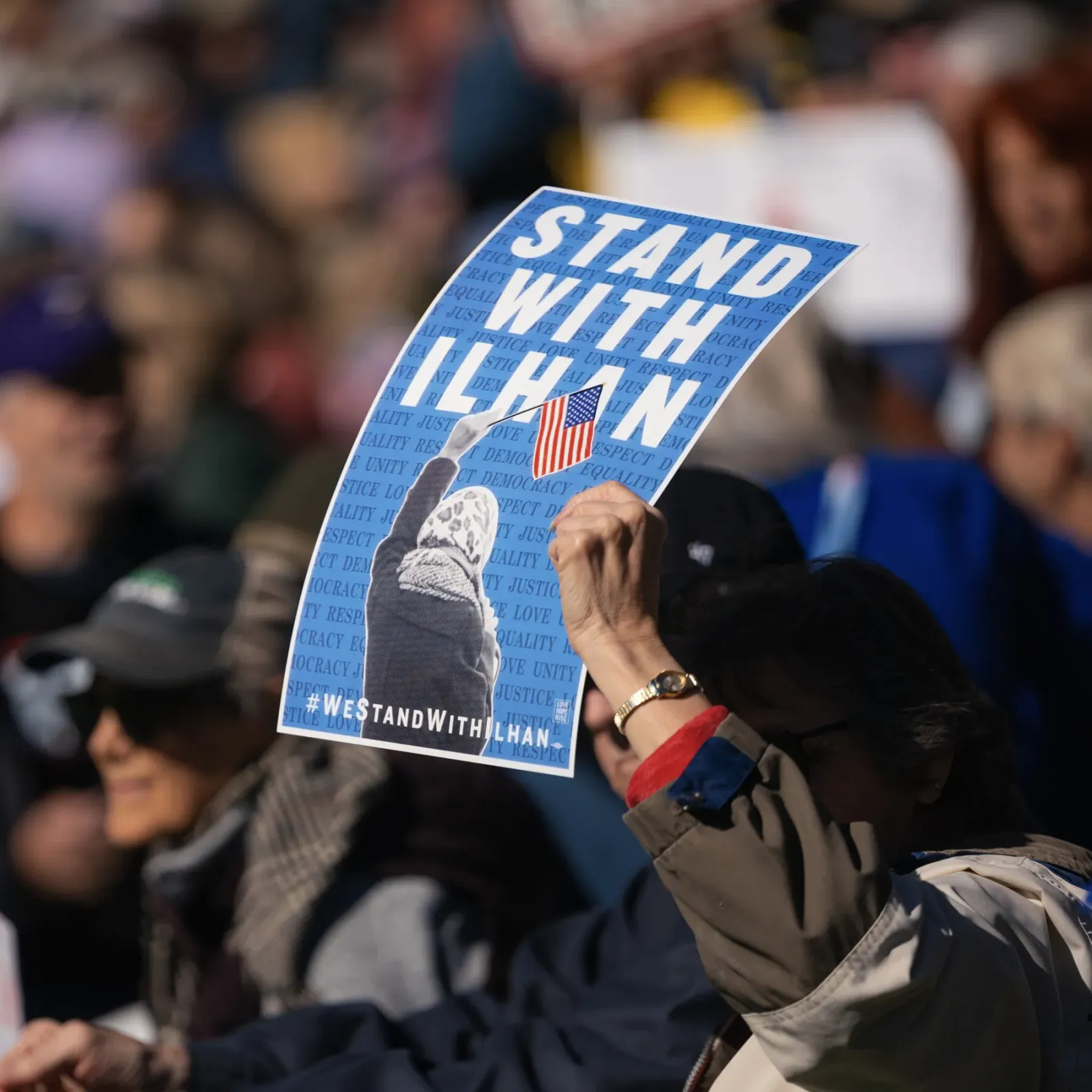
Obama Defends Ilhan Omar After Agents Search Her Home in Trump Inquiry
The former president's intervention raises the stakes in a federal probe into immigration paperwork that has put a prominent progressive lawmaker in the crosshairs.

Blair-era minister: cut welfare to fund youth job support
Alan Milburn's call for welfare cuts to fund employment support opens a Labour fight over benefits and the Neet crisis.

Hot September CPI: energy costs surge, voters feel the squeeze before midterms
The latest inflation print lands as Trump campaigns for GOP control of Congress, putting cost-of-living worries at the center of the midterm fight.