

Michigan Democrats brace for Abdul El-Sayed and Will Lawrence wins in key primaries
Progressives backed by Sen. Bernie Sanders could upset must-win congressional races in November.

Abdul El-Sayed and Will Lawrence are running in Michigan primaries for Senate and House seats, respectively, and are backed by Sen. Bernie Sanders. Mainstream Democrats worry that progressive wins could make it harder to clinch must-win congressional seats in November.
Michigan Democrats are bracing for Tuesday primaries where two progressive candidates, Abdul El-Sayed and Will Lawrence, could win and reshape the party’s November map. Both races are tied to must-win congressional targets, and the concern inside the mainstream wing is straightforward: a progressive victory now might translate into a harder general election later.
The crux of the problem is that El-Sayed and Lawrence are not just running as Democrats. They are backed by Sen. Bernie Sanders, and that backing is exactly what worries center-left Democrats. If voters choose their candidates in these key Senate and House primaries, mainstream Democrats fear the result could “jeopardize the party’s chances” of securing the congressional seats they see as essential in November. In other words, Tuesday is not just about who advances on the ballot. It is about whether the party’s bench of general-election candidates survives the primary gauntlet with enough coalition to win in a contested environment.
To understand why this matters so much, you have to remember how party strategy works between primaries and general elections. Primaries can reward intensity and ideological clarity, especially when turnout is driven by voters who are already bought into a certain direction. General elections, however, tend to require a broader coalition. Candidates who look perfectly aligned to their activist base can, in the eyes of mainstream strategists, also carry higher risk with swing voters and less reliable persuasion targets. That is the logic behind “heartburn” among center-left Democrats, as described in the source.
There is also a second-order incentive at play: how Democrats manage internal discipline when two factions are pushing in different directions. Sanders-backed candidates can energize supporters, boost turnout, and force a sharper contrast with Republicans. But mainstream Democrats, particularly those thinking about November vote math, often worry that a narrower primary win can harden opposition in the general election. This is not necessarily about ideology alone. It is about the ability to run a campaign that does not fracture the coalition you need for the final sprint.
The source frames the stakes around two critical Michigan primary races on Tuesday, with El-Sayed and Lawrence anchored as the progressives in question. El-Sayed is tied to a Senate primary; Lawrence is tied to a House primary. The specific warning is that victories by progressive candidates backed by Sanders could make it “jeopardize” Democratic chances to clinch must-win congressional seats in November. That language matters because it signals the mainstream view is not simply discomfort or preference. It is a belief that the primary outcome could actively damage the party’s path to controlling the chamber by narrowing the field to candidates they view as more vulnerable.
For executives and board-level decision-makers operating in political-adjacent spaces, this kind of intra-party dynamic has practical implications even if your day job is not campaigning. Party control can affect funding priorities, regulatory enforcement posture, procurement decisions, and the political appetite for different kinds of legislation. When a party is trying to secure “must-win” seats, the choice of nominees becomes a strategic asset or liability. That is why these Democratic frets are not just inside baseball. They are about whether the party can convert primary momentum into general election outcomes.
A useful way to think about it is like product-market fit, but for electoral strategy. Primaries can resemble testing messaging within a smaller, highly receptive audience. General elections resemble launching at scale, where the feedback loop includes voters who were not in the original test group. If mainstream Democrats believe the “wrong” fit is being selected on Tuesday, then their worry is a forecast of downstream performance, not a commentary on personal brand or ideology.
Finally, the broader takeaway for leaders watching similar races across the country is that primary elections are increasingly where strategic risk is priced in. When progressives and mainstream factions collide, the party’s internal calculus becomes a balancing act between energizing the base and maintaining the coalition required to win November. El-Sayed and Lawrence represent one side of that equation, backed by Sen. Bernie Sanders. Mainstream Democrats represent the other, concerned that the results on Tuesday could undermine the party’s must-win plans. Either way, this is a reminder that in modern campaigns, the calendar does not care about factional comfort. Tuesday decisions can become November constraints very quickly.
This story's Key Insights and Take-aways are locked.
Create a free account to unlock Executive Actions for one credit.
Register to UnlockAlways free for Executives Club members. Join the Club
More in Politics
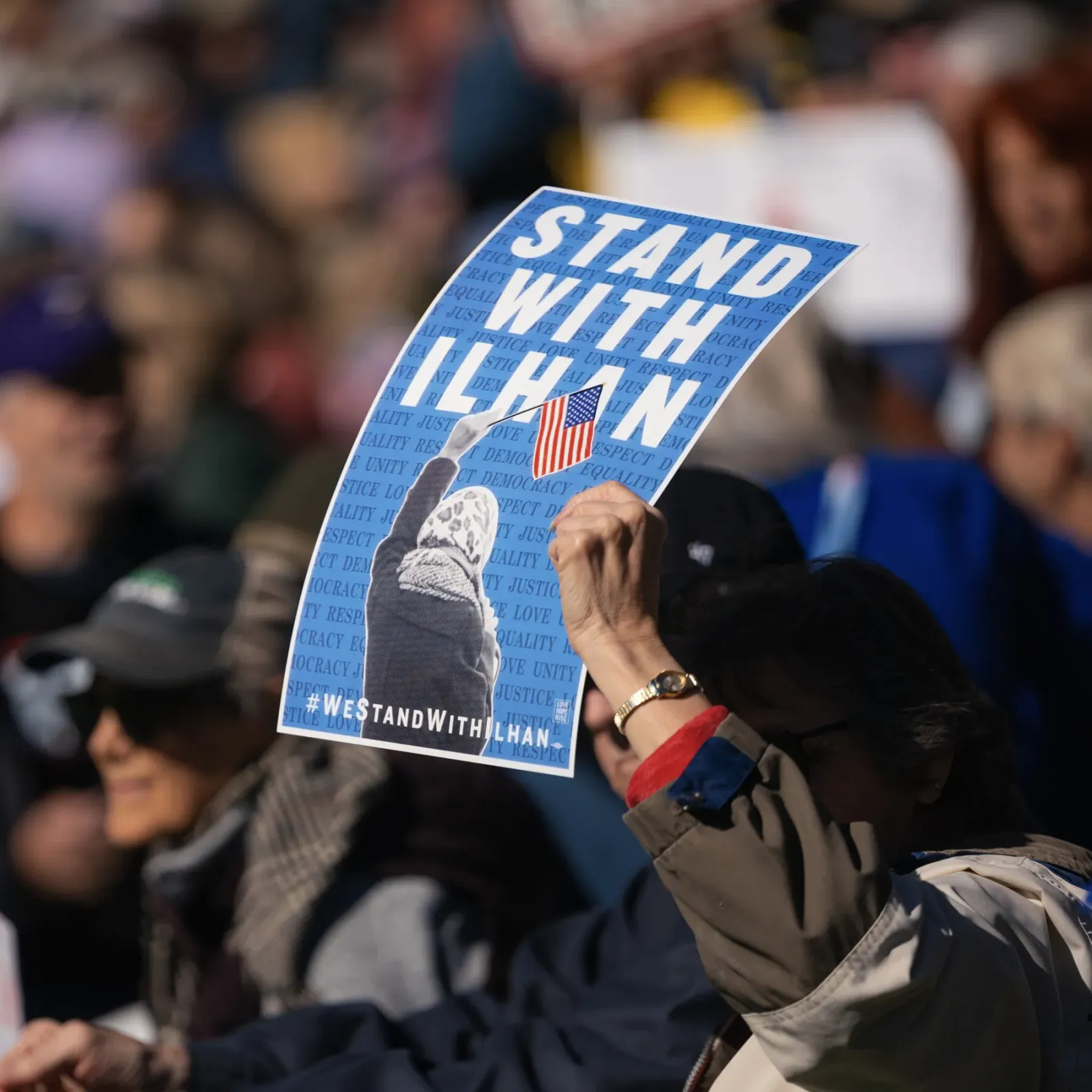
Obama Defends Ilhan Omar After Agents Search Her Home in Trump Inquiry
The former president's intervention raises the stakes in a federal probe into immigration paperwork that has put a prominent progressive lawmaker in the crosshairs.

Blair-era minister: cut welfare to fund youth job support
Alan Milburn's call for welfare cuts to fund employment support opens a Labour fight over benefits and the Neet crisis.
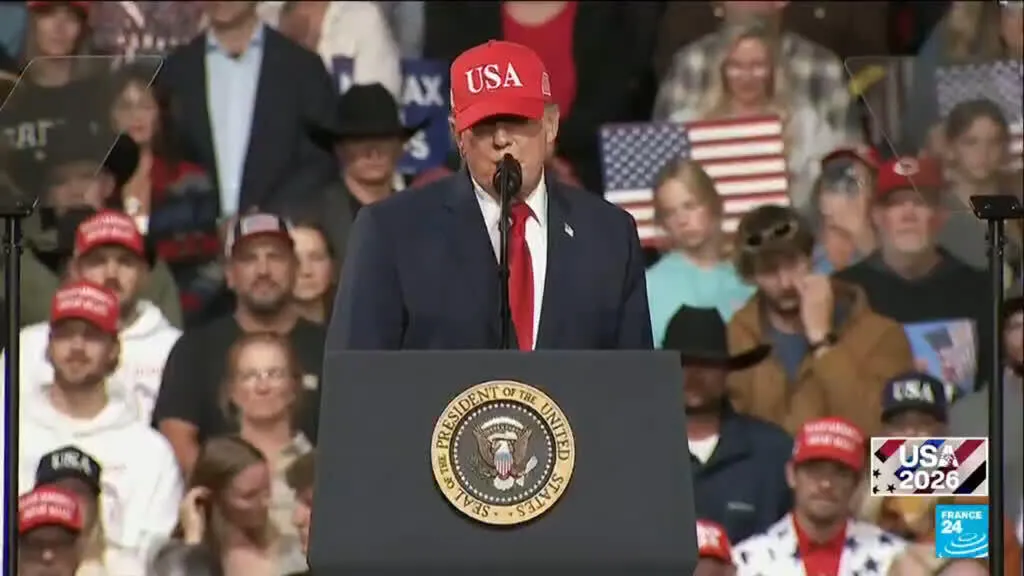
Hot September CPI: energy costs surge, voters feel the squeeze before midterms
The latest inflation print lands as Trump campaigns for GOP control of Congress, putting cost-of-living worries at the center of the midterm fight.