

DOJ reversed its subpoena process while chasing Air Force One leak leads
A judge’s comments on reporter subpoenas quickly turned a procedural fight into a spotlight on two cabinet candidates.
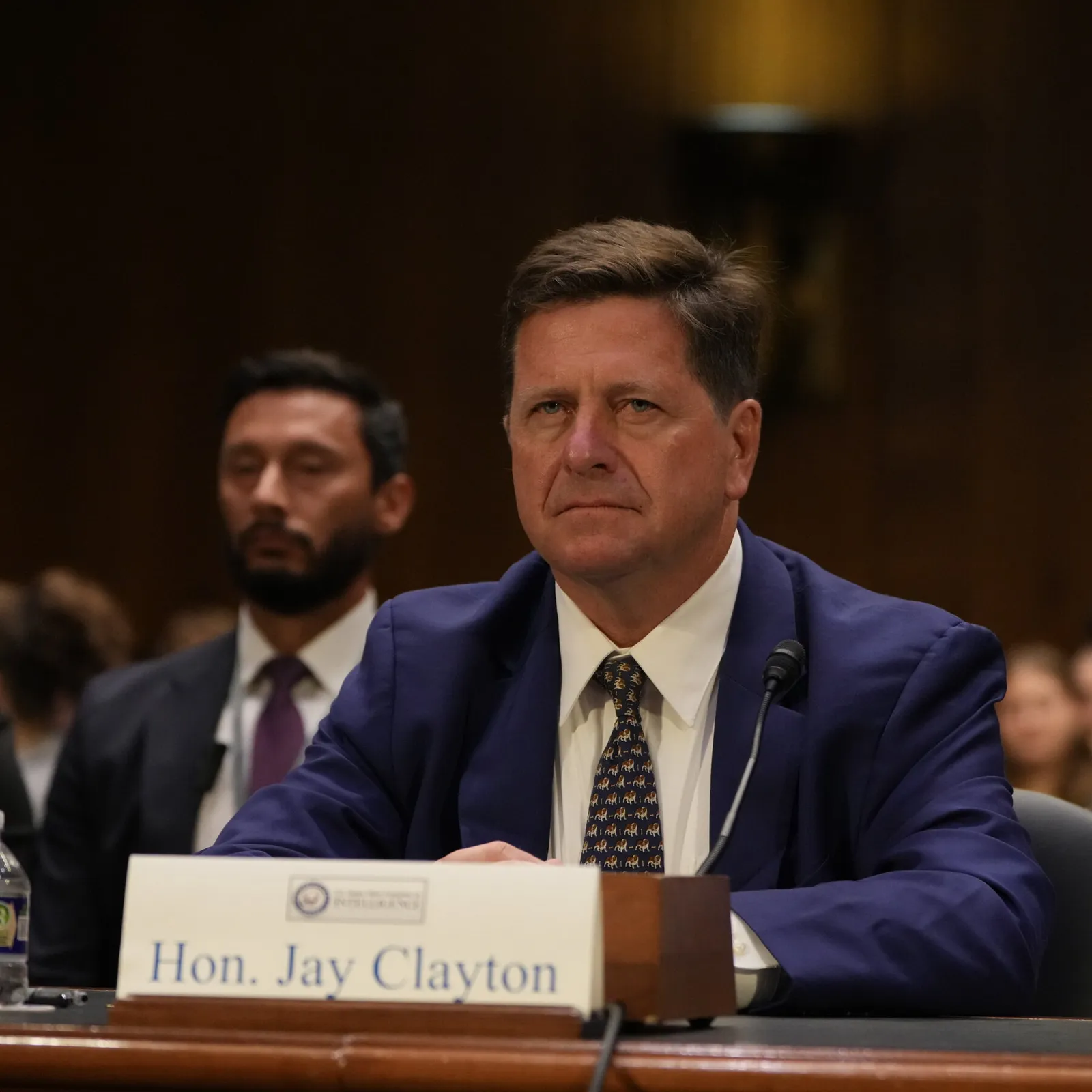
The DOJ reversed its own process as it moved to track down alleged Air Force One leaks, after a judge’s remarks about subpoenas to reporters drew attention to two officials. The scrutiny now touches Todd Blanche and Jay Clayton, both under consideration for powerful cabinet roles.
The Department of Justice reversed its own process in its rush to track down alleged Air Force One leaks, and a judge’s remarks about subpoenas to reporters quickly made the story bigger than just a leak investigation. Instead of staying purely procedural, the dispute sharpened into a spotlight on two administration officials: Todd Blanche and Jay Clayton, both being considered for powerful cabinet posts.
That sequencing matters. In high-profile leak cases, the government wants speed, leverage, and clean lines of evidence. But when a judge publicly weighs in on how subpoenas are used against reporters, the process stops being background noise. It becomes a signal to everyone watching, including prospective political appointees, their boards, and the broader ecosystem of legal and communications professionals who live in the same regulatory orbit.
Blanche and Clayton, as the story highlights, are not just bureaucrats floating in the wings. Their names now sit in the crosshairs of a legal posture that the DOJ itself had to walk back. That combination, even when the underlying facts are still in motion, raises the kind of reputational and governance questions decision-makers hate to see early. If you are evaluating whether to put a person in a cabinet-level role, you care not only about results, but also about process discipline. And process discipline is exactly the thing that appeared to wobble.
To understand why this turns into a serious secondary issue, zoom out to how leak investigations usually run. Leak cases involve balancing national security sensitivities, public interest, and First Amendment concerns. Subpoenas to reporters are a particularly sensitive tool because they directly implicate the press. In the legal system, judges do not just referee facts. They also shape boundaries around how aggressively prosecutors can pursue information. When remarks from the bench draw attention to the mechanics, it changes the tone from private investigation to public constitutional friction.
That is the practical reason a procedural reversal becomes a cabinet-level talking point. DOJ decisions, especially those that affect press access, can become durable controversy. The record of how the government handled subpoenas is the record that follows people later. For executives and board members evaluating candidates for leadership roles, the risk is not that an investigation exists. It is that the government’s approach to investigation appears inconsistent with the standard it claimed to follow.
There is also a political dimension. Powerful cabinet roles concentrate authority over agencies that touch everything from procurement and cybersecurity to enforcement priorities and regulatory rulemaking. The applicants in the story, Todd Blanche and Jay Clayton, are being considered for those kinds of roles, and that means their public footprint matters. A judge’s comments, even without a final ruling on the merits of the case, can affect how Senate confirmation narratives form, how allies and opponents frame the person, and how media scrutiny shapes the candidate’s credibility.
Second-order, this also affects institutional behavior inside the DOJ itself and across the justice ecosystem. Once a judge signals concern about subpoenas to reporters, lawyers up the chain often respond with more careful process, more conservative motions, or more explicit justification. That can slow things down, which prosecutors may resist. It can also change how investigators choose targets and evidence pathways. In other words, reversals are not just “oops” moments. They are feedback loops that alter how quickly the system moves the next time.
For peers in similar roles, the stakes are immediate. If you are a general counsel, a communications lead, or an executive who deals with regulators, you should notice how quickly litigation procedure can become leadership optics. If you are a board chair evaluating an executive’s readiness for government power, you should map the reputational risk from process decisions, not only outcomes. And if you are an investor watching policy-adjacent industries, you should treat these legal signals as potential indicators of where enforcement intensity, rule issuance, or press access disputes could harden.
The source is specific that DOJ reversed its own process while rushing to track down Air Force One leak leads, and that a judge’s remarks about subpoenas to reporters put a spotlight on Todd Blanche and Jay Clayton. The larger implication is equally clear: in a system where constitutional questions and public trust move in tandem, process is policy. When the process is questioned in public, even a pending investigation can reshape the leadership conversation before the case is fully resolved.
This story's Key Insights and Take-aways are locked.
Create a free account to unlock Executive Actions for one credit.
Register to UnlockAlways free for Executives Club members. Join the Club
More in Politics
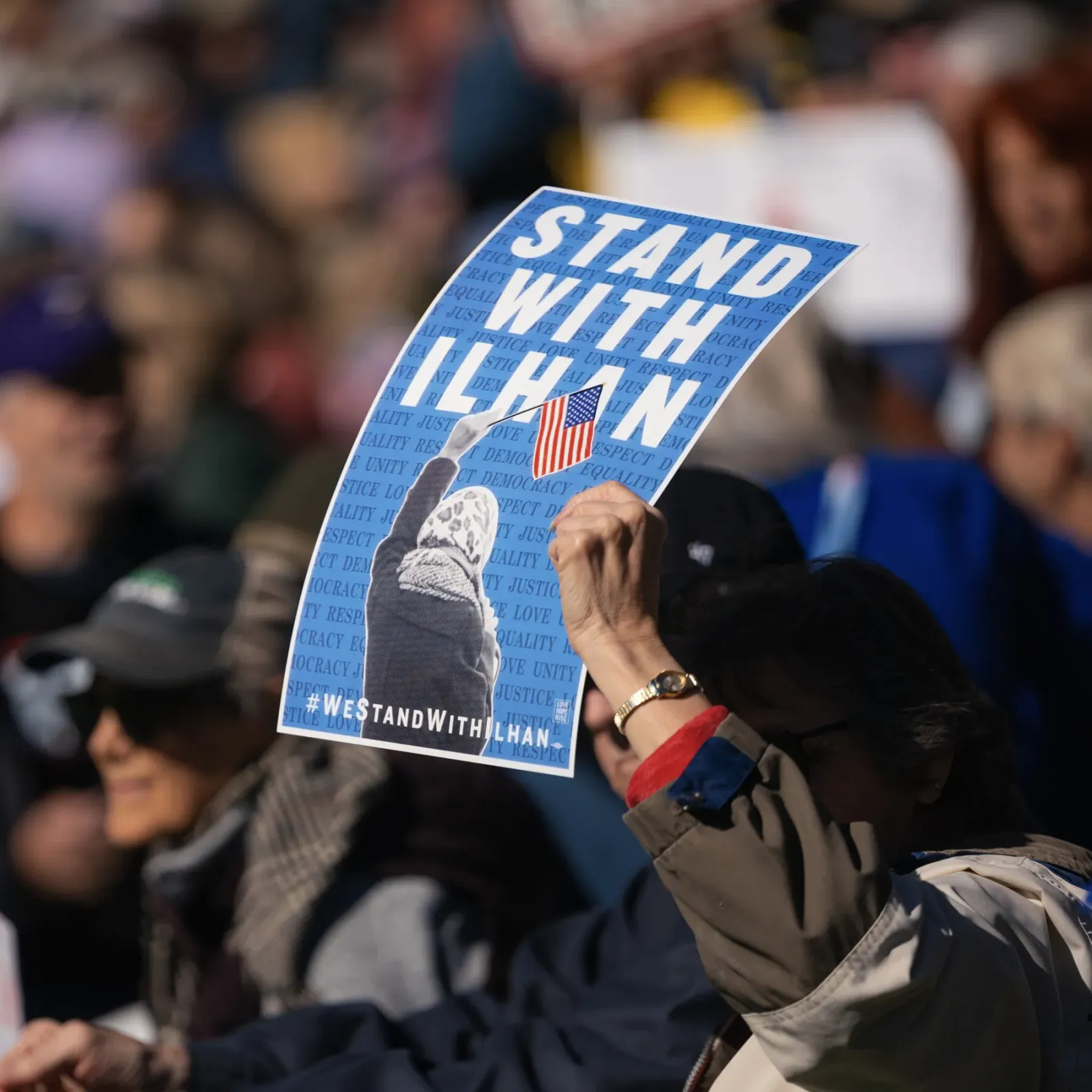
Obama Defends Ilhan Omar After Agents Search Her Home in Trump Inquiry
The former president's intervention raises the stakes in a federal probe into immigration paperwork that has put a prominent progressive lawmaker in the crosshairs.

Blair-era minister: cut welfare to fund youth job support
Alan Milburn's call for welfare cuts to fund employment support opens a Labour fight over benefits and the Neet crisis.
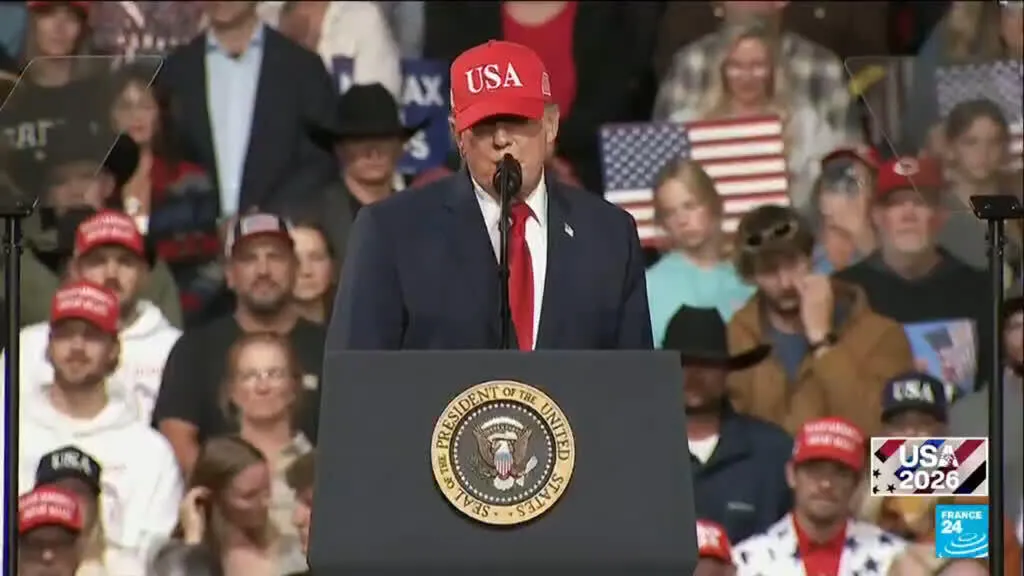
Hot September CPI: energy costs surge, voters feel the squeeze before midterms
The latest inflation print lands as Trump campaigns for GOP control of Congress, putting cost-of-living worries at the center of the midterm fight.