
Trump says he will expand Iran war if Houthis strike again
A new conditional red line could force deeper U.S. deployments, tightening pressure on planners and budgets.
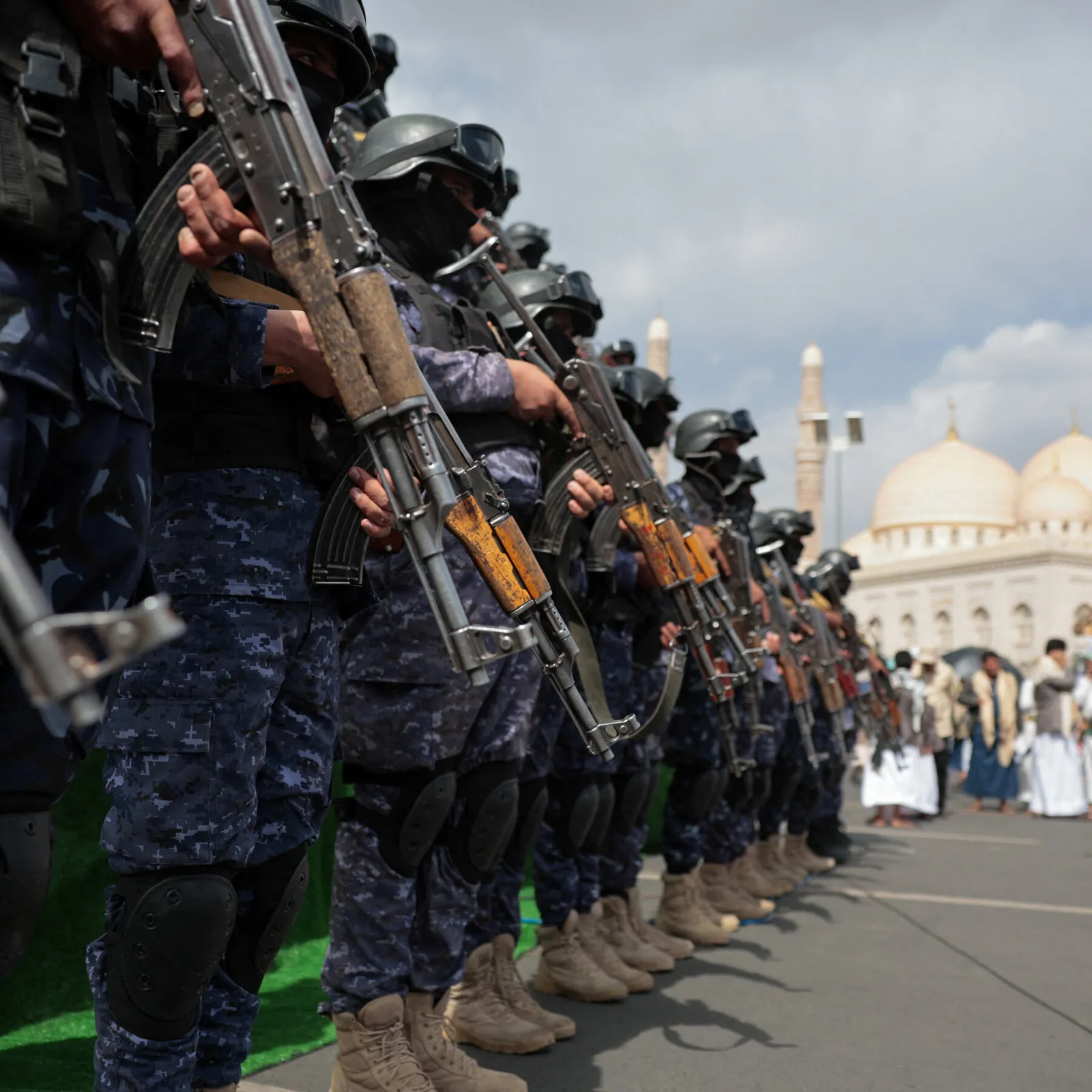
President Trump said he would expand the war if Iran-backed Houthi militants launch additional attacks. For decision-makers, the move signals potential escalation risk and added strain on U.S. forces if the next strike comes.
President Trump has said he would expand the war if Iran-backed Houthi militants launch additional attacks. In other words, the next escalation is not automatic. It is conditional. But for U.S. decision-makers, conditional is still real, because it changes what every planner, commander, and budget office has to assume starting now.
The trigger is specific: “additional attacks” by the Iran-backed Houthi militants. That matters because it frames U.S. posture as reactive in the short term, but also anticipatory in the operational sense. Even if Trump’s statement is not a standing order for every future incident, it signals that another round of strikes could meet a faster, broader U.S. response. The practical effect is that the military has to be ready for more missions, not just more monitoring.
To understand why this kind of rhetoric can move markets and boards, it helps to remember how force allocation works. U.S. forces are not an on/off switch. They are a portfolio. A new requirement means shifting ships, aircraft, intelligence resources, and personnel schedules, often across overlapping theaters. The second-order issue is that scaling up against one set of threats does not come from nowhere. It either reduces availability elsewhere or increases total demand, which can stress readiness and logistics. Even when the official policy language is “if X happens,” the military burden starts before X happens because readiness is built around worst-case planning.
There is also the policy and oversight layer. Political leaders making escalation statements typically do so with both military reality and domestic accountability in mind. When a president publicly lays out an expansion threshold, it can tighten the room for later disagreement. If the next attack happens and the response is narrower than what the statement implied, critics can argue inconsistency. If the response is broader, critics can argue it was escalatory. Either path creates pressure on decision-makers who normally prefer ambiguity until facts are confirmed.
Then there is the international dimension: the Iran-backed label is doing a lot of work in this story. It is not just “Houthis did something.” It is “Houthis, backed by Iran,” which implies a broader sponsorship network. That distinction tends to change how planners think about objectives and constraints. Backing suggests the conflict may be supported, sustained, or influenced by external actors, which can raise the stakes of any strike cycle. Again, even though the source only states Trump’s threatened expansion conditional on additional attacks, the political framing alone can increase the perceived risk of a longer spiral.
From a governance standpoint, this is the kind of news that can land on executive desks far beyond defense. Companies that operate in energy supply chains, shipping, insurance, or security often treat geopolitical escalation risk as a variable in planning. When leaders signal potential expansion, it can affect how risk teams model disruption, how finance teams think about contingent liabilities, and how boards assess exposure. No one needs a detailed operational plan to price uncertainty. Conditional escalation still changes the shape of probability.
The strategic stake for “peers in similar roles” is straightforward: escalation posture is now part of the decision environment. If you are a CEO managing cross-border operations, you care about how quickly events can move from incident to expansion. If you sit on a board that oversees long-cycle capital spending, you care about whether your scenario planning was too optimistic. If you are in government-facing roles, you care about the operational readiness and political constraints that come with any public red line.
So the core takeaway from the New York Times report is not just that Trump threatened expansion. It is that the threat is calibrated to the next retaliatory beat. That turns every subsequent signal from the region into something more consequential than a standalone event, because the U.S. response framework has been declared in advance: more attacks by the Iran-backed Houthis could mean an expanded war.
This story's Key Insights and Take-aways are locked.
Create a free account to unlock Executive Actions for one credit.
Register to UnlockAlways free for Executives Club members. Join the Club
More in Politics
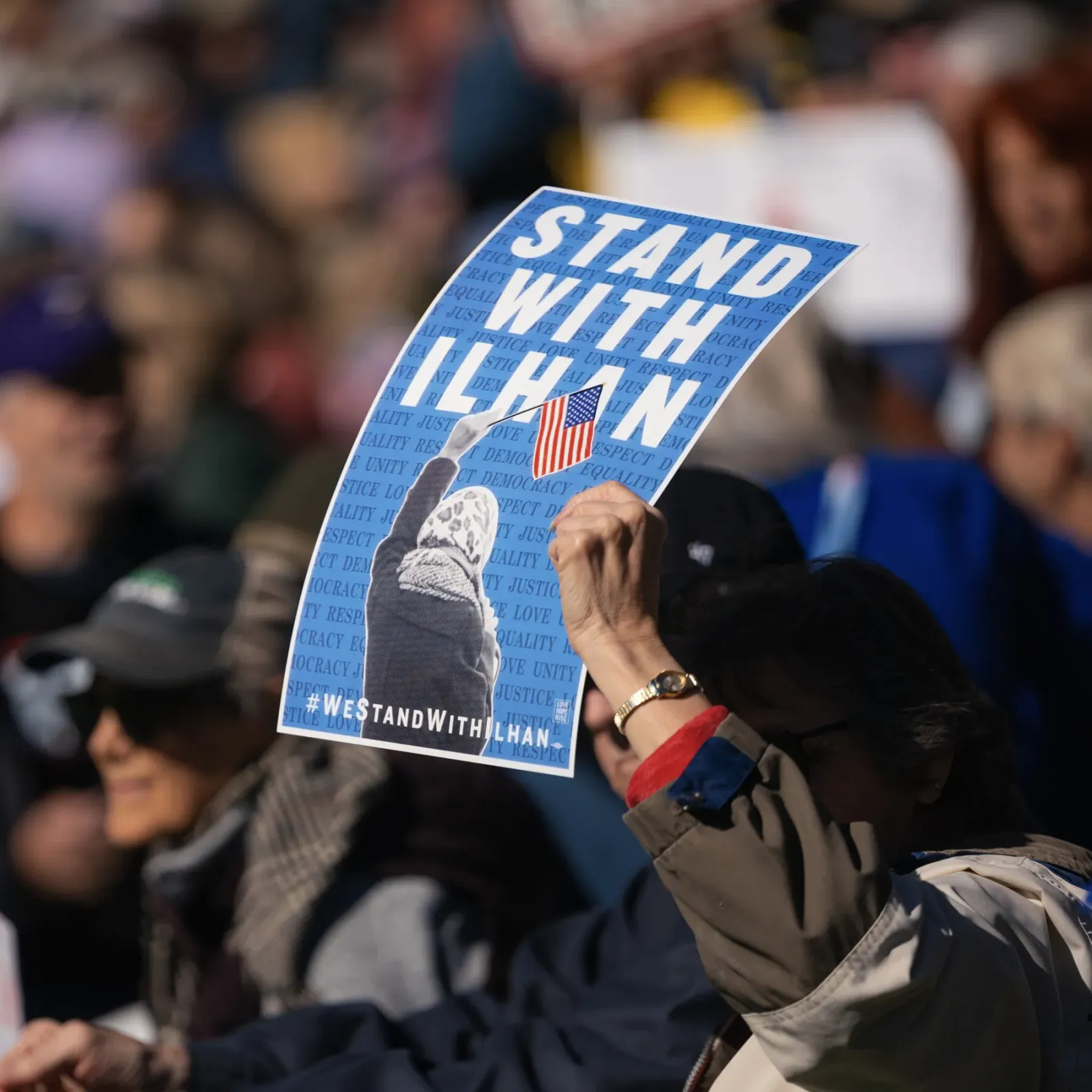
Obama Defends Ilhan Omar After Agents Search Her Home in Trump Inquiry
The former president's intervention raises the stakes in a federal probe into immigration paperwork that has put a prominent progressive lawmaker in the crosshairs.

Blair-era minister: cut welfare to fund youth job support
Alan Milburn's call for welfare cuts to fund employment support opens a Labour fight over benefits and the Neet crisis.
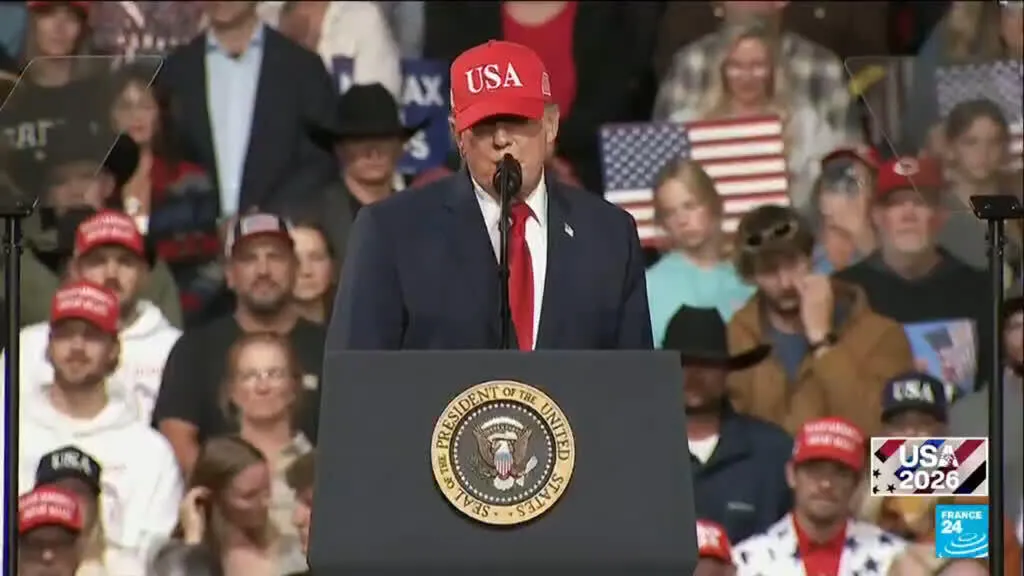
Hot September CPI: energy costs surge, voters feel the squeeze before midterms
The latest inflation print lands as Trump campaigns for GOP control of Congress, putting cost-of-living worries at the center of the midterm fight.