
Trump orders Smithsonian Museum of American History to add disclaimers on exhibits
The executive order directs new exterior warnings, forcing leaders to rethink risk, optics, and governance at public institutions.
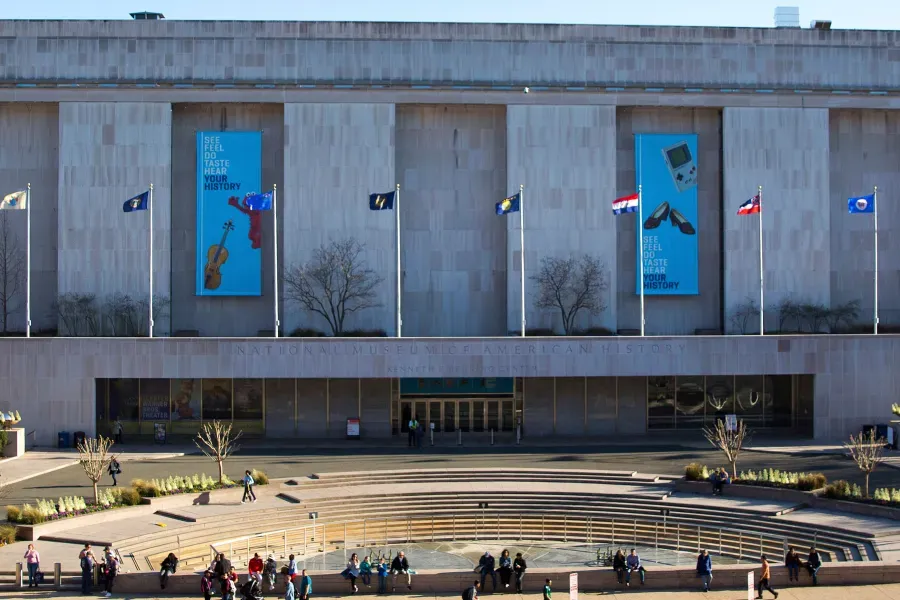
President Trump issued an executive order directing disclaimers be installed outside the Smithsonian's Museum of American History. For decision-makers, it signals how political framing can reshape public-institution communications and compliance expectations fast.
President Trump issued an executive order Friday directing that disclaimers be installed outside the Smithsonian's Museum of American History. The goal is to warn passersby that some museum exhibits do not reflect his perspective on the nation's past.
The order, titled “Restoring trust in the Smithsonian Institution,” is not just a symbolic tweak to signage. By explicitly telling the public to expect political disagreement over exhibit content, it turns a question of curatorial interpretation into a governance and communications problem the institution must manage in real time, in public view, outside the museum itself.
For executives watching this unfold, the immediate operational change is straightforward: exterior disclaimers must appear where visitors and communities can see them before they even step inside. But the second-order impact is where boards and leadership teams tend to feel it. When an executive branch directs public-facing messaging like this, it creates a new baseline expectation for how the institution communicates about contested narratives. That baseline can become a template that other government-adjacent organizations feel pressure to follow, especially when they have mission areas that overlap with culture, history, education, or civic identity.
The executive order’s framing also matters. Trump cites a recently-released report produced as part of the basis for the action, and the order is presented under a trust-building banner: “Restoring trust in the Smithsonian Institution.” In practice, that language does two things. First, it casts the change as corrective rather than confrontational, which can influence how audiences interpret the disclaimers. Second, it gives leadership teams a kind of political cover for implementing the order: not because they endorse a particular interpretation, but because compliance is tied to an official trust rationale.
This is why the order is interesting to decision-makers beyond the Smithsonian. Public institutions, especially those with prominent education and cultural roles, typically balance scholarly independence with public accountability. Exhibit content is often built from research, expert review, and institutional processes designed to preserve credibility. A directive that warns visitors that certain exhibits do not reflect a specific perspective reframes the institution’s relationship to those processes. It can force leaders to answer questions they did not previously have to answer at street level: What counts as “reflecting” a perspective? Which exhibits qualify for disclaimers? How quickly do changes need to be made once a governing political narrative shifts?
Even without inventing new details, the mechanics are clear. An order that requires physical disclaimers outside a major museum creates a compliance deadline and a communications workload. Leadership teams must translate the directive into clear signage language for the public, while also maintaining internal coherence across departments. That includes staff who interpret exhibits, communications staff who manage public messaging, and legal or policy teams who track what the executive branch is requiring and why.
There is also a reputational angle that boards will care about. Disclaimers can reduce confusion for some visitors, but they can also make a museum look like it is under political pressure, especially when the disclaimers are explicitly tied to whether exhibits align with the president’s perspective. That perception can affect partnerships, donor confidence, community relations, and even employee morale. The Smithsonian is a high-visibility institution; what happens there will be watched by other museums and public organizations that operate under similar scrutiny.
For executives at comparable entities, the strategic stakes are simple: when national leadership moves from policy to public messaging, governance becomes more immediate, and communications risk becomes more material. This executive order suggests that political framing of history can enter the physical environment of museums, not just op-eds or debates. Boards and leadership teams should take note of how quickly the boundary between curatorial independence and political messaging can shift, and how that shift can create new operational requirements, new reputational exposure, and new questions about what “trust” means to different audiences.
This story's Key Insights and Take-aways are locked.
Create a free account to unlock Executive Actions for one credit.
Register to UnlockAlways free for Executives Club members. Join the Club
More in Politics
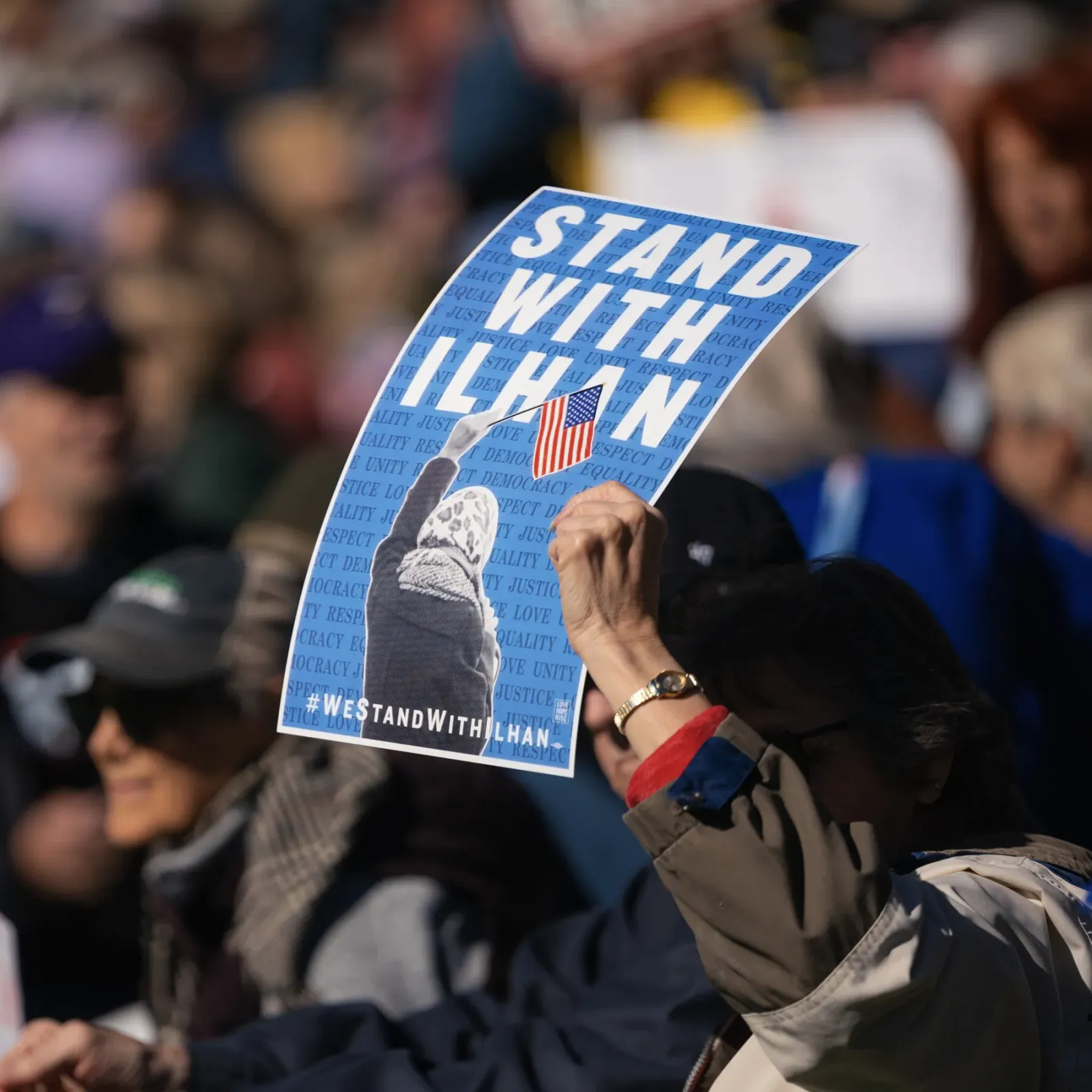
Obama Defends Ilhan Omar After Agents Search Her Home in Trump Inquiry
The former president's intervention raises the stakes in a federal probe into immigration paperwork that has put a prominent progressive lawmaker in the crosshairs.

Blair-era minister: cut welfare to fund youth job support
Alan Milburn's call for welfare cuts to fund employment support opens a Labour fight over benefits and the Neet crisis.
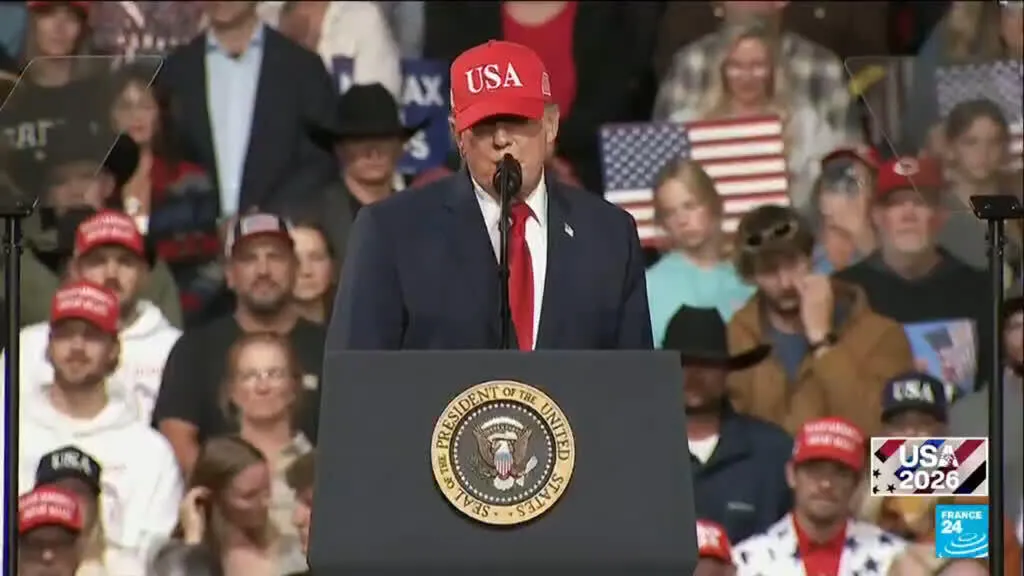
Hot September CPI: energy costs surge, voters feel the squeeze before midterms
The latest inflation print lands as Trump campaigns for GOP control of Congress, putting cost-of-living worries at the center of the midterm fight.