

Donald Tusk warns Poland faces Russia risk as anti-Ukrainian violence escalates
The Polish prime minister speaks out as attacks on Ukrainian refugees rise, and he links the unrest to broader Russian danger.
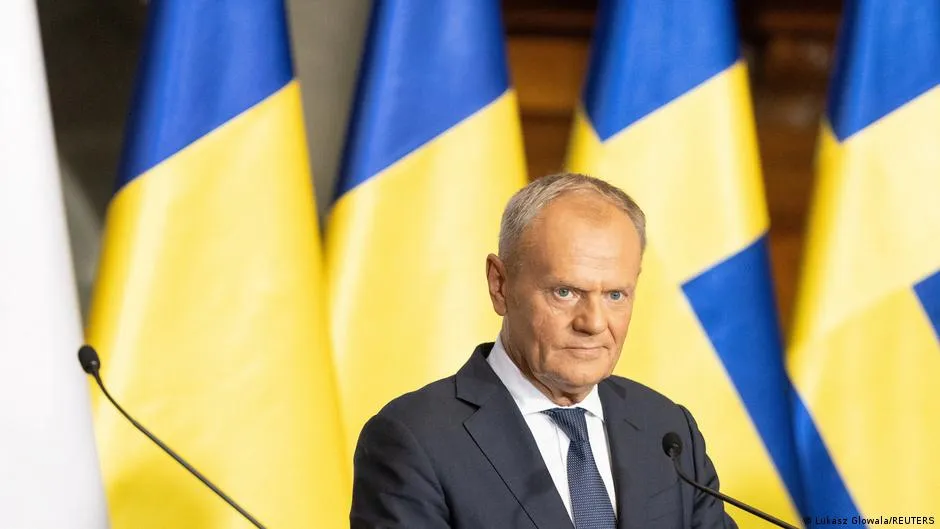
Poland Prime Minister Donald Tusk has spoken out against anti-Ukrainian violence, where sentiment is rising and attacks target refugees from the war in Ukraine. For decision-makers, his warning frames domestic instability as a national security issue, not just a social one.
Anti-Ukrainian sentiment in Poland is rising fast, and the warning from Prime Minister Donald Tusk is blunt: the violence is not only morally corrosive, it also risks opening the door to danger from Russia. As numerous attacks target refugees who fled the war in Ukraine, Tusk has publicly spoken out against the violence and warned that it could have wider consequences.
That matters because when political leaders treat a surge in street-level attacks as a Russia-linked security risk, it signals that the response will likely move beyond symbolic condemnations. It is an escalation in framing. Tusk's stance makes clear that the issue is not confined to how neighbors behave, or whether local communities feel stressed. It becomes part of how the Polish state views threats, resilience, and the reliability of public order.
For executives and boards, this kind of moment lands in a familiar place: reputational, operational, and regulatory pressure tends to follow security events. When a country faces rising violence against a vulnerable group, regulators, insurers, and counterparties often reassess risk quickly. That can show up as tighter compliance expectations around employee safety, heightened scrutiny of workplace conduct, and more demanding standards for training, reporting, and duty-of-care programs. Even if your organization is not directly involved in refugee services, it can still be exposed through workforce policies, facility locations, vendor networks, and cross-border operations.
It also changes how stakeholders interpret corporate behavior. Governments and civil society typically increase pressure on companies to demonstrate that they are not indifferent to civic stability. In practical terms, that means leaders may face requests to communicate clearly about values and safety, support community initiatives, or ensure that internal policies are prepared for tense, politicized environments. The headline about Tusk is a political fact, but the second-order effect is that businesses operating in Poland often need to think like risk managers, not just employers.
There is another layer here: this is happening in a context where the war in Ukraine already dominates regional politics, and where narratives can spread quickly. When attacks on refugees rise, the conflict's social spillover becomes visible on the ground. That visibility creates a feedback loop. Heightened anti-Ukrainian sentiment can deepen divisions, and divisions can reduce social cohesion, making public order harder to maintain. Tusk's warning about danger from Russia is important because it suggests he sees the violence as potentially useful to an external actor, even if the immediate perpetrators are local.
From a governance perspective, leaders should treat moments like this as a test of escalation readiness. Boards and senior management teams typically rely on scenario planning for civil unrest, legal exposure, and stakeholder trust. In situations where the prime minister explicitly links domestic violence with Russia risk, it becomes more likely that authorities will take a more active stance. That could mean more enforcement, more public messaging, and increased coordination across security and justice institutions. The more that the state frames the unrest as strategic, the more rapidly the operating environment can change.
The strategic stakes are also international. Poland is not operating in a vacuum. Partners, investors, and multinational companies track how governments manage internal tensions because those tensions can influence everything from investment timelines to labor stability to the predictability of rule enforcement. If anti-Ukrainian violence continues to escalate, the practical question for regional business is whether it starts to affect permits, infrastructure schedules, supply chains, or staffing. And even if direct operational disruption does not occur, the cost of inaction can show up as higher insurance premiums, higher compliance overhead, or reduced access to certain partners who need to demonstrate robust controls.
Tusk's message, as reported, is straightforward: he spoke out against the violence and warned of the danger from Russia. For executives and boards, the takeaway is equally straightforward. This is not a story that belongs only in a news feed. It is a signal that domestic unrest tied to the Ukraine war can quickly become a broader national security issue. And when that happens, the organizations that plan for the full chain of consequences tend to move through uncertainty with less chaos.
This story's Key Insights and Take-aways are locked.
Create a free account to unlock Executive Actions for one credit.
Register to UnlockAlways free for Executives Club members. Join the Club
More in Politics
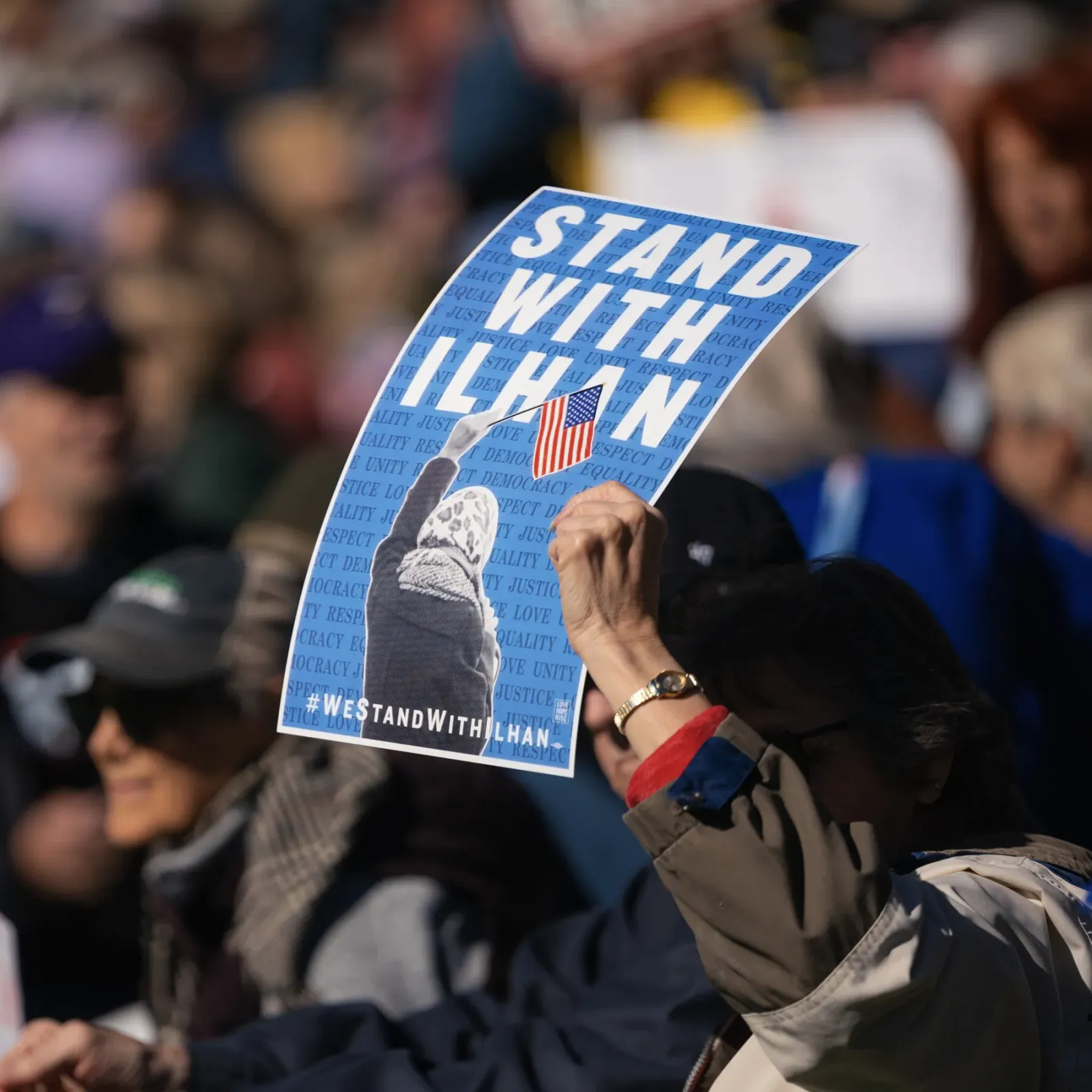
Obama Defends Ilhan Omar After Agents Search Her Home in Trump Inquiry
The former president's intervention raises the stakes in a federal probe into immigration paperwork that has put a prominent progressive lawmaker in the crosshairs.

Blair-era minister: cut welfare to fund youth job support
Alan Milburn's call for welfare cuts to fund employment support opens a Labour fight over benefits and the Neet crisis.
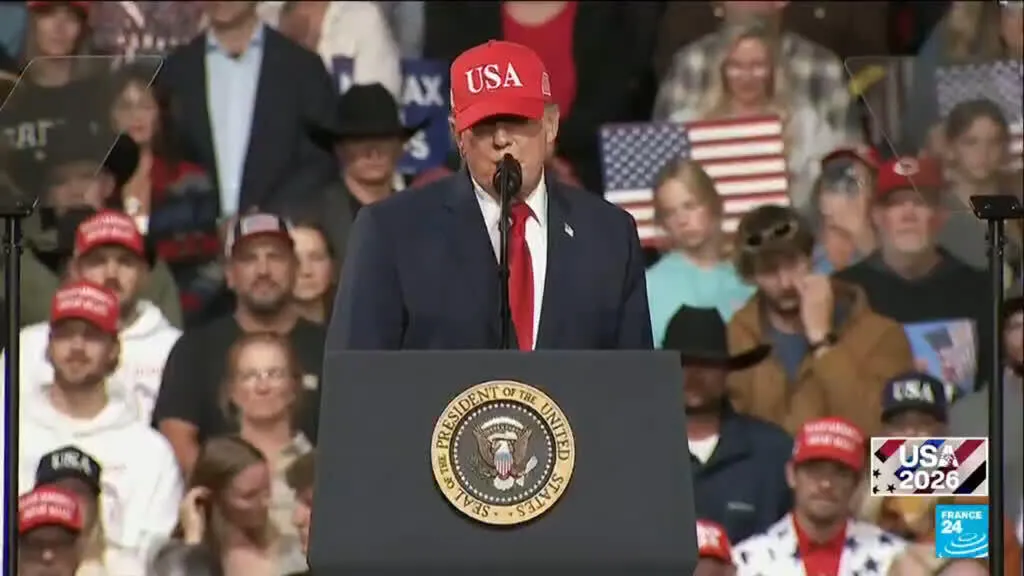
Hot September CPI: energy costs surge, voters feel the squeeze before midterms
The latest inflation print lands as Trump campaigns for GOP control of Congress, putting cost-of-living worries at the center of the midterm fight.