
Drone attack from Iraq shuts Saudi Arabia's key oil pipeline
A single strike forced Riyadh to halt a critical energy flow while Baghdad removed a commander and launched an investigation. The stakes for oil supply and regional security you need to know.
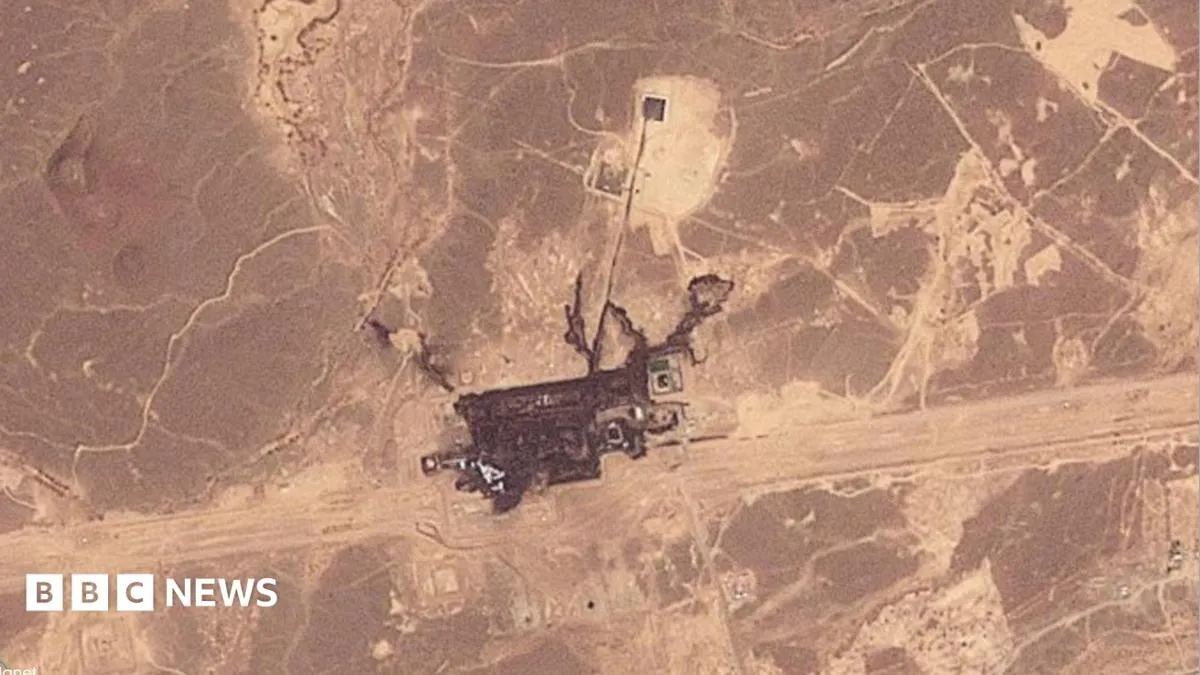
Saudi Arabia shut a key oil pipeline after a drone attack launched from Iraq, and Iraq responded by dismissing a military commander and opening an investigation into the strike. For decision-makers, the incident underscores how cheap drone technology now threat global energy infrastructure and how quickly states must escalate accountability.
Saudi Arabia has shut a key oil pipeline after a drone attack launched from Iraq. The impact was immediate: Riyadh halted a major flow, and Baghdad did not wait for an invitation to react. Iraq removed a military commander and opened an investigation into the attack, which came from an area bordering Iran, according to the official reporting. Two governments moving that fast is a signal of more than a routine breach; it is an admission that the strike pried open a critical exposure.
What the cable says is still sparse, but the first implication is practical. A "key oil pipeline" does not have to be fully destroyed to be neutralized. When a drone hits a line, the operator's standard protocol is to cut flow, depressurize the section, and check for ignition risks before anything can be reopened. That may take hours or days, and every hour of shutdown will ripple through the offtake schedule. Even if Saudi Arabia can reroute, the lost chunk of flow becomes someone else's margin to chase, and anyone relying on prompt crude owes attention to that gap.
For Baghdad, this is a deeply awkward position. The attack came from Iraqi soil, and more specifically from an area that runs along the Iranian border. Iraq has long lived in the fault zone between U.S. pressure, Iranian clout and an internal patchwork of armed groups. When a delta appears that threatens Saudi supply, Iraq must show it is not a launchpad for trouble. The immediate removal of a commander is the diplomatic translation of "this won't happen again" - a fast denial that keeps any escalation window from widening. The investigation is both a domestic due process move and an outer signal to Riyadh that an answer is being prepared.
The bigger strategic context is that this is not a one-off anomaly. Predatory drones, cheap and easy to evade, have become a reliable weapon against static infrastructure across the Gulf, and the bare fact that a single unit can force a controlled national halt is a lesson every exporter now has to price in. Aerial defenses protect and shape a state, but they do not guarantee the flow of a line that must be shut at the first sign of leaked pressure. This creates an asymmetric burden: the defender must spend years building layered air and cyber defenses, while the attacker can vary drone shape, speed, altitude and guidance for a few thousand dollars.
From an energy market perspective, the immediate reaction will be a small force but an very visible one. Oil prices feed on any signs of even temporary spec supply, and a Saudi closure worms a physical, not a theoretical, risk into the term structure. Should the shutdown last longer than a few days, tanker rates for alternative routes, and the pricing of adjacent grades could see a sharper and shorter neck. But even if the restart is quick, the event carries a long echo: each pipeline closure feeds a conservative buffers forecast and a slightly bigger bar premium for as long as the reason is still uncertain.
For executives at energy-intensive companies, relevant takeaways go beyond supply-chain anxiety. The first is that "business as usual" on key infrastructure now needs a category of drones that is not the one you saw six years ago. It means stress-testing the physical safety of your own critical gateways, asking whether there is an alternative path, and whether the response order is prepared to pause, not just to reroute. A second is to precious: a mutual from a physical asset can do what a cyber breach does to that model trust. This agenda increased the risk of failure.
The hazy and rapidly shifting political picture in Iraq is already a warning to optimize. Iran/itsel - Iraq is not the stage where every strike is an action. The removal of a commander may stabilize the internal blame, but it can also trigger jockeying among military factions or push non-state groups to prove they are still strong. Smart operators will track the instability in this corner of the border as they would track any volume data, because geopolitics has become a supply-chain metric with a kill switch.
So the take-away is not that Saudi is disproved or that Iraq has fully broken; it is that the days when key executive routes ride on a thin redundancy are over. A pipeline that can halve the product should always have a bypass, a storage player, or a forward contract runner. It has enough legs to absorb smooth the need for at least someone a shock. The same final line is: the almost everything company and every board should try to expand the second route - and the second circuit, and the second state of mind - before the next low-cost flyer dictates it.
This story's Key Insights and Take-aways are locked.
Create a free account to unlock Executive Actions for one credit.
Register to UnlockAlways free for Executives Club members. Join the Club
More in Business

Royal Caribbean just spent $3B to own half of Sandals
The cruise giant is buying a 50% stake in the all-inclusive resort chain for $3 billion, a bet that land-based vacations are the next growth engine.

Paramount's Ellison: Merger Clearance Done, WBD Deal by Oct 1
David Ellison says the Paramount-WBD merger has full clearance after settling with state AGs, clearing the path for an October 1 close.

Paramount settles with 12 states, $110B Warner merger clears final hurdle
David Ellison's studio avoids a March trial and a $7M-a-day ticking fee by settling with state AGs over local job losses.