
Drone strikes in el-Obeid turn classrooms into targets, aid groups warn of worsening crisis
In Sudan's besieged el-Obeid, children fear school as drones hit civilian infrastructure, amplifying a humanitarian emergency.
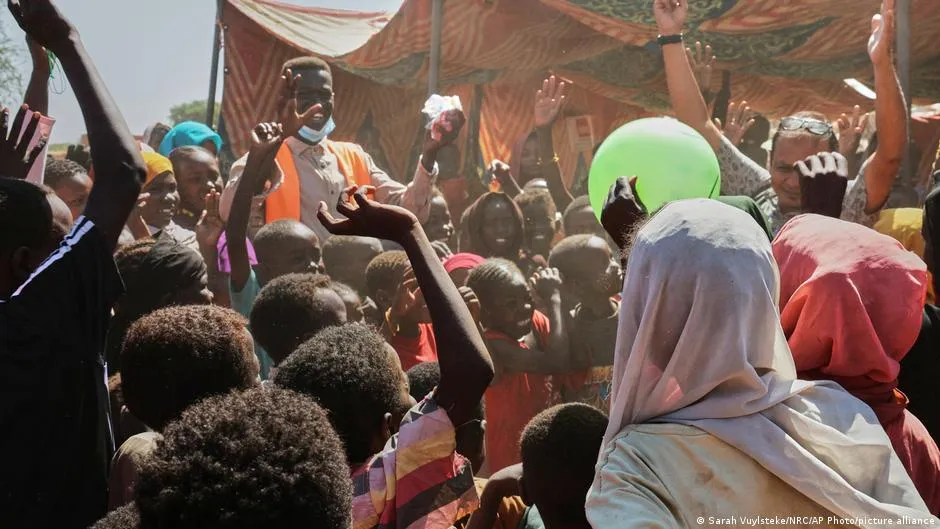
Children in Sudan's besieged city of el-Obeid are afraid to go to school as drone attacks hit civilian infrastructure. Aid groups warn this is part of a worsening humanitarian crisis, raising urgency for decision-makers involved in response, risk, and funding.
In Sudan's besieged city of el-Obeid, children are afraid to go to school. The reason is blunt and urgent: drone attacks are hitting civilian infrastructure, including the spaces where children are supposed to learn.
That fear is not a small side effect. It is a direct byproduct of how modern conflict reaches everyday life, and it is already changing civilian behavior in real time. Aid groups warn of a worsening humanitarian crisis, which means the situation is not static. When people stop using schools, the damage often spreads beyond the classroom, accelerating longer-term harm.
For executives and operators, the immediate takeaway is that civilian infrastructure risk is not limited to physical destruction. When drone attacks target or disrupt sites civilians rely on, the operational footprint of aid, education, and health services shrinks fast. Even where a building still stands, the population may decide it is too dangerous to approach. That changes logistics, staffing, and program design. It also changes how quickly needs emerge. In these scenarios, the bottleneck is often not just the delivery of resources, but safe access, trust, and continuity.
El-Obeid is described as besieged, and siege dynamics tend to intensify every downstream effect. Food, medicine, and communications are typically harder to obtain, which makes humanitarian work more complicated even before considering drone-related risks. Then add the psychological layer. Children afraid to go to school implies families are making high-stakes judgments about threat exposure. When those judgments harden, attendance can drop sharply, and it can be difficult to restore normal patterns later, even if attacks pause.
Drone warfare also creates a different risk profile than some older forms of conflict. A drone strike can be sudden, and its impacts can be dispersed across civilian infrastructure. That makes planning harder for humanitarian groups because it reduces the predictability of where strikes will land. Aid organizations generally need to manage movement risk, coordinate around shifting security conditions, and adapt to gaps in infrastructure. In a worsening humanitarian crisis, those adaptations can lag behind need by days or weeks, which can be enough time for health and education outcomes to deteriorate.
There is also a funding and governance angle. When aid groups warn of a worsening humanitarian crisis, that language usually signals that requirements are increasing faster than current response capacity. For decision-makers at NGOs, donors, and mission-aligned investors, the second-order question is whether current allocations match the trajectory of need. If children cannot attend school because of drone attacks, education becomes an emergency service rather than a long-term program. That often shifts priorities toward continuity of learning, protection mechanisms, and protection-informed delivery. It also affects how organizations measure impact, because access becomes the constraint.
For policymakers and compliance-minded teams, this is also a reminder that civilian protection is not just a moral headline, it is a practical operational requirement. Under conflict conditions, civilian infrastructure often functions as the backbone of humanitarian response. If drones are striking civilian infrastructure, response actors face both security constraints and reputational scrutiny around how they operate, where they send staff, and how they communicate risks to communities. Even without specific regulatory details in the source, the operational reality is that organizations must align safety protocols with the fact pattern on the ground, and they must do so quickly.
The strategic stakes for leaders who support humanitarian ecosystems are clear. If the threat environment prevents children from going to school in el-Obeid, the crisis is already crossing from immediate injury and destruction into longer-term deprivation. Aid groups warn it is worsening, which means the time window for effective intervention is shrinking. For peers managing response operations, funding decisions, and safety governance, the situation in el-Obeid is a high-signal case study: when drones hit civilian infrastructure, fear becomes policy, access becomes strategy, and human outcomes can deteriorate faster than institutions can adjust.
This story's Key Insights and Take-aways are locked.
Create a free account to unlock Executive Actions for one credit.
Register to UnlockAlways free for Executives Club members. Join the Club
More in Politics
Obama Defends Ilhan Omar After Agents Search Her Home in Trump Inquiry
The former president's intervention raises the stakes in a federal probe into immigration paperwork that has put a prominent progressive lawmaker in the crosshairs.

Blair-era minister: cut welfare to fund youth job support
Alan Milburn's call for welfare cuts to fund employment support opens a Labour fight over benefits and the Neet crisis.

Hot September CPI: energy costs surge, voters feel the squeeze before midterms
The latest inflation print lands as Trump campaigns for GOP control of Congress, putting cost-of-living worries at the center of the midterm fight.