
EA scraps microtransactions in EA Sports College Football 27 after player backlash
The publisher yanks monetization features from its flagship college football game, signaling how fast public pressure now changes roadmaps.
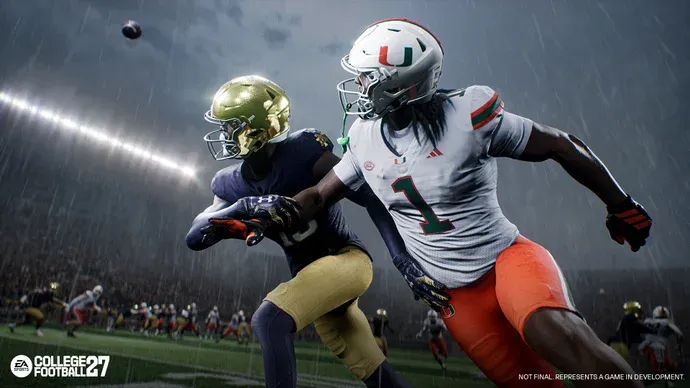
Electronic Arts removed microtransactions from EA Sports College Football 27 following feedback from players and content creators. For decision-makers, the move is a live reminder that monetization strategy can be reversed quickly when community sentiment turns.
Electronic Arts has removed microtransactions from EA Sports College Football 27 after feedback from players and content creators. That means the monetization mechanics are no longer part of the game as EA responds to the backlash rather than digging in.
This is the kind of decision that used to play out slowly, in patch notes and internal meetings. Now it happens in public, under a microscope, because the “community reaction” is effectively a market signal. EA is not just reacting to complaints. It is actively changing what it is selling inside the product, and that is a big lever to pull.
To understand why this matters beyond one title, look at how sports games have evolved. The category is often built on annual or near-annual releases and a wide addressable audience, which makes monetization especially tempting. Microtransactions can be used to sell additional content, cosmetic items, or ways to accelerate progress. The catch is that the value exchange depends on trust. When players believe monetization is creeping into areas it should not, or that the game is designed to funnel spending, backlash can spread fast.
What makes this specific EA move notable is that the source ties the removal directly to feedback from two groups: players and content creators. Content creators are not just critics. They are distribution. They can show the gameplay, explain the monetization in plain terms, and amplify sentiment at scale. In many games, that feedback loop can move faster than traditional corporate cycles. Once creators and players align on a narrative, the reputational risk becomes harder to contain.
There is also a regulatory and policy backdrop pushing the industry to rethink how it monetizes. Across many jurisdictions, regulators have been scrutinizing loot boxes, odds transparency, and spending by minors. While the source does not describe the precise mechanism EA removed, the broader reality is that “microtransactions” sit in a spotlight. When public controversy rises, it is not only consumers reacting. It is also lawmakers, regulators, and platforms that watch industry conduct and can tighten rules over time.
That changes how boards and executives model risk. Monetization is not only a revenue line, it becomes a governance question: what risk is the company taking on, and how quickly can it respond? When EA removes microtransactions, it demonstrates a willingness to de-risk the product experience. But it also highlights the cost of moving slowly. If the backlash is strong enough, the company can end up reversing monetization choices after engineering and planning have already been underway, turning potential upside into sunk cost and opportunity cost.
Second-order implications show up for peers. If a major publisher removes microtransactions in direct response to community pressure, other companies in sports and adjacent genres have to assume similar dynamics. Developers and product leaders may adjust their internal checklists, asking earlier in the process whether a feature could become a “backlash magnet.” Commercial teams may also face tougher scrutiny from executives: not just “Will it sell?” but “Will it survive public scrutiny, creator review, and regulatory attention?”
For decision-makers, the strategic stake is simple: monetization strategies are now operationally fragile. EA has removed microtransactions from EA Sports College Football 27 following feedback from players and content creators, which signals that the company sees enough risk or enough customer dissatisfaction to act. The broader industry lesson is that trust is a measurable asset, and when it breaks, the fix can be structural, not cosmetic.
This story's Key Insights and Take-aways are locked.
Create a free account to unlock Executive Actions for one credit.
Register to UnlockAlways free for Executives Club members. Join the Club
More in Entertainment

12TB Steam 'teraleak' goes beyond Valve: GTA 3, Mafia 2 prototypes exposed
A 12-terabyte dump of Steam data reveals prototypes and builds of third-party classics like GTA 3 and Mafia 2, plus unreleased Valve content, rewriting game history.

LinkedIn's romance problem: 1 in 4 workers say dating on it is fair game
A new survey shows a quarter of U.S. employees treat the professional network as fair game for romance, even as LinkedIn bans it and removes hundreds of thousands of offending posts.

Enhypen's first No. 1 album breaks K-pop's Billboard 200 streak
The K-pop group's 98,000-unit debut tops the chart while Dolly Parton's catalog reentry shows how death reshapes streaming.