

EA shuts down BioWare, cancels Mass Effect, and cuts 400 jobs
A 30-year RPG dynasty ends as EA's $20bn debt claims Mass Effect's next chapter.
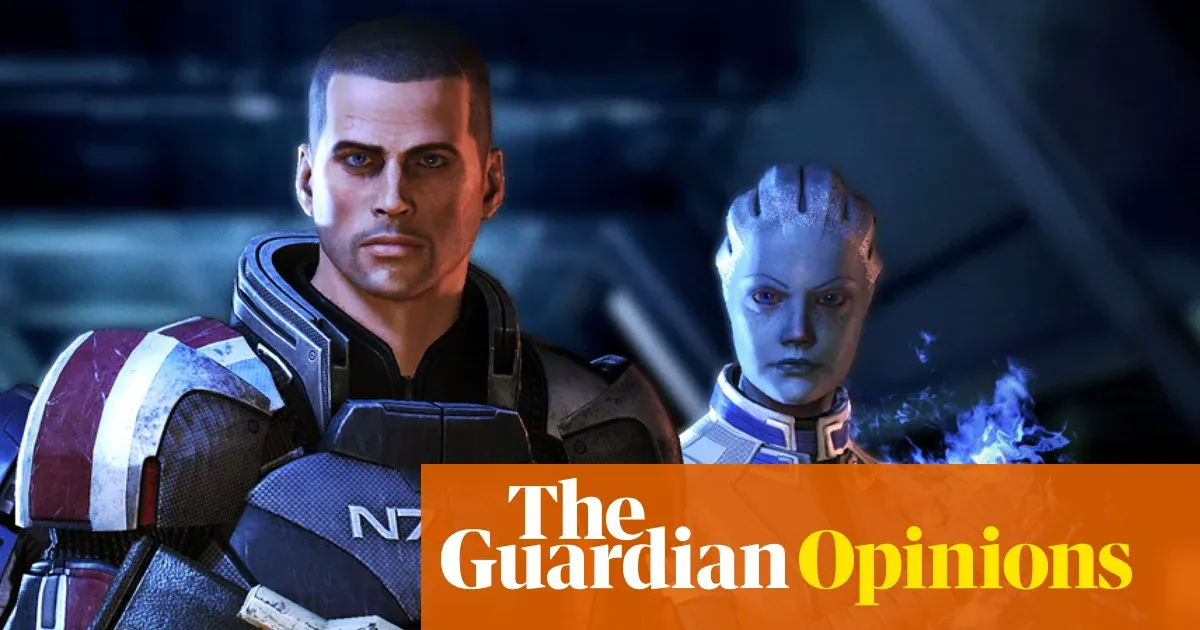
Electronic Arts announced the closure of BioWare, cancelling Mass Effect: Universe and cutting more than 400 jobs. For decision-makers, the move shows how leveraged balance sheets can force studios to kill beloved franchises despite loyal fanbases.
The studio behind some of the most beloved role-playing games of the century is no more. Electronic Arts announced this week that it is closing BioWare, cancelling the in-development Mass Effect: Universe, and cutting more than 400 jobs, according to The Guardian. The shutdown ends a 30-year run for the studio that produced iconic franchises such as Mass Effect, Dragon Age, and Star Wars: Knights of the Old Republic.
BioWare's fate is a direct consequence of its parent company's balance sheet. EA has been carrying roughly $20bn in debt following a leveraged buyout that involved Jared Kushner and the Saudi wealth fund, Facing that weight, EA looked for pieces to cut loose, and despite BioWare's cult following, the studio had not delivered a critical or commercial hit in over a decade. The forthcoming game, first teased in 2020 with a leaked trailer titled Mass Effect: Universe, was still years from release, making it an easy target for cost-cutting.
For context, BioWare's legacy is not just nostalgic. The studio defined the modern role-playing game with choice-driven narrative and complex characters. Titles like Knights of the Old Republic and Dragon Age are widely considered genre benchmarks, and Mass Effect became a cultural touchstone for space opera fans. But in the eyes of a debt-saddled parent, a legacy without near-term revenue is a liability, not an asset. The cancellation is a blunt reminder that fan sentiment does not pay down interest.
This move also signals a broader shift in gaming economics. When a studio is owned by a leveraged parent, the priority moves from long-term franchise building to servicing debt. Projects with distant revenue horizons become expendable, no matter how passionate the audience. This logic has already driven waves of layoffs across the industry, and BioWare's closure shows that even beloved names are not safe once the balance sheet turns hostile.
For players, the loss is emotional; for executives, it is strategic. The lesson for boards and CEOs is that a studio's cultural value does not appear on a spreadsheet. A beloved brand can be a cost centre if its next big title is years away. The smartest play is to scrutinize project timelines, cash burn, and capital structure, because the next round of cuts will target the longest-dated bets first.
More broadly, the closure shrinks the pool of studios capable of producing large-scale narrative RPGs. With BioWare gone, competitors like CD Projekt Red, Larian Studios, and Bethesda remain, but each faces its own pressures. Consolidation tends to reward safe sequels over bold experiments, and the mass-market RPG landscape becomes less diverse. For indie studios, that opens a chance to capture displaced fans, but it also raises the bar for what it takes to feel "AAA."
For anyone watching from the business side, the immediate takeaway is to watch how other leveraged entertainment companies treat their iconic brands. If a studio has not produced a hit in a decade and its parent carries $20bn of debt, the brand is not a shield. It becomes a candidate for restructuring. The question now is which studio is next.
This story's Key Insights and Take-aways are locked.
Create a free account to unlock Executive Actions for one credit.
Register to UnlockAlways free for Executives Club members. Join the Club
More in Business

A flaw in PHP just forced governments to pull their own sites offline
European agencies from Belgium to Germany took websites dark to patch a critical weakness in the language behind almost 70% of the web, and the blast radius extends far beyond government portals.

BioWare shuts down, Mass Effect 5 dead after $55B EA buyout
The legendary RPG studio's closure lands months after a $55 billion investment group buyout of EA, raising tough questions for gaming's biggest acquirers.
Musk weighs Tesla-SpaceX mega-merger as boards form review panels
Special committees at both companies will examine a tie-up that could fuse electric vehicles and space launch, forcing a fresh look at governance and valuation.