
Ebola reaches two more provinces as Sudan sentences Daglo to death in absentia
Public health expansion and legal crackdown collide with Niger Delta pollution protests, pressuring governments and regulators at once.
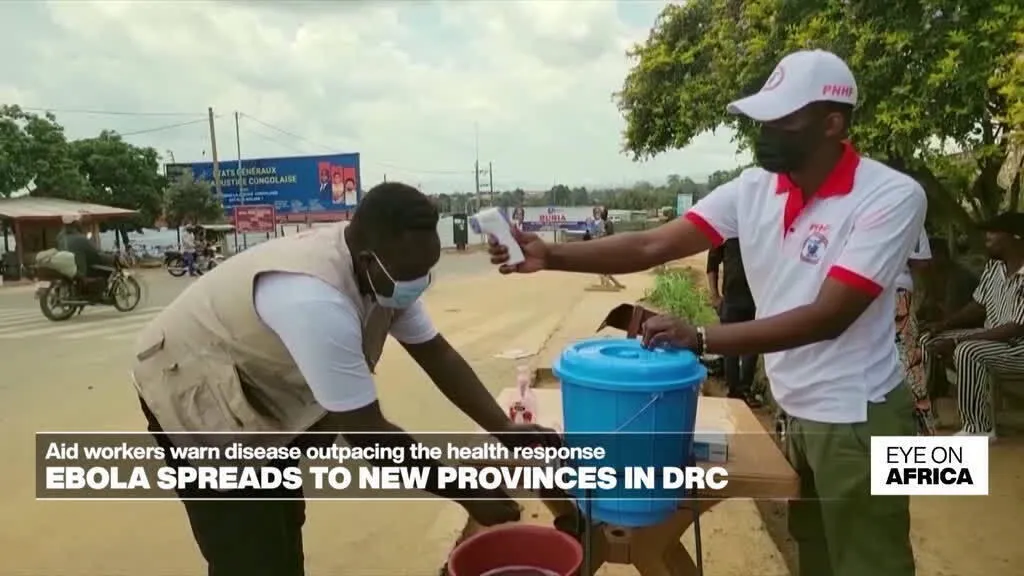
France 24 reports Ebola spread to two more provinces. In a separate case, a Sudanese court sentenced paramilitary leader Mohamed Hamdan Daglo and 15 others to death in absentia, while Niger Delta residents in Billé protested catastrophic pollution.
Ebola just pushed further into the system, spreading to two more provinces, according to tonight’s France 24 report. That matters for decision-makers because infectious disease rarely expands politely. When outbreaks move geographically, response capacity has to scale fast, logistics tighten, and public trust becomes as critical as medicine.
In parallel, the same broadcast highlights a Sudanese court verdict: Mohamed Hamdan Daglo, a paramilitary leader, and 15 others were sentenced to death in absentia. For officials and organizations watching the region, this is not only a legal story. Absentia judgments can reshape security dynamics, affect negotiations, and influence how quickly or safely humanitarian actors can operate in contested areas, especially when health emergencies are already expanding.
Taken together, these two developments underscore a brutal reality for governments and for anyone funding or coordinating response efforts: public health and security policy are now moving on the same timeline. Ebola’s spread to additional provinces increases the number of places where screening, contact tracing, safe burial protocols, and community engagement must work at once. The second-order effect is capacity strain. Even well-prepared teams can struggle when case counts rise and when new provinces require new chains of command, procurement, and reporting.
Meanwhile, the court sentence in absentia signals legal and political pressure being applied through the justice system. That can be stabilizing in a narrow legal sense, but it can also produce uncertainty operationally. When a high-profile paramilitary leader receives a death sentence in absentia, the parties on the ground can interpret that as escalation, closure of negotiations, or a shift in enforcement posture. For humanitarian planners, compliance teams, and donors, the practical question becomes: do access routes tighten? do local authorities change their priorities? and do movement restrictions make health logistics harder at exactly the moment epidemiology is worsening?
There’s also a third thread in tonight’s report that looks unrelated until you zoom out: residents of the Niger Delta town of Billé took to the streets demanding government action over catastrophic pollution. Pollution-driven protests are not just environmental noise. They often signal failures in monitoring and enforcement, and they can escalate attention from local grievance to national policy. For executives running operations, funding environmental compliance, or managing supply chains in affected regions, the second-order implication is reputational and regulatory. When communities protest publicly, the risk profile for companies and contractors changes quickly. Regulators tend to respond to visibility, and politicians tend to respond to votes.
Put bluntly, these stories form a three-front stress test for public institutions. Ebola spreading into more provinces demands immediate coordination across health systems. A death sentence in absentia adds friction to security and legal environments in Sudan. And pollution protests in the Niger Delta push environmental oversight into the political spotlight. If you are on a board, in a C-suite, or advising a policymaker, the takeaway is that “emergency management” is not a silo. Health, security, and regulatory legitimacy are tightly coupled.
The strategic stakes for peers are straightforward. When outbreak geography expands, delays in response can compound rapidly, and every extra day costs more than time, it costs coverage. When court decisions target powerful actors, access and cooperation can shift overnight. When citizens protest catastrophic pollution, regulators may tighten oversight, require remediation plans, or increase scrutiny of reporting. For executives planning risk, budgeting for compliance, or allocating capital into health and humanitarian programs, the message is to treat these developments as interconnected signals about governance capacity, enforcement intensity, and public sentiment.
This story's Key Insights and Take-aways are locked.
Create a free account to unlock Executive Actions for one credit.
Register to UnlockAlways free for Executives Club members. Join the Club
More in Politics

LA County: DOJ's 20,000 'noncitizen' voter list is 'unreliable,' includes U.S.-born
Preliminary review by Los Angeles County election officials finds errors in the federal list, raising the stakes for voter roll integrity ahead of November.

Trump's $1.5B Pentagon chip investment lands in North Carolina
A $1.5 billion defense infusion for North Carolina chipmaking signals a new era of Pentagon-backed reshoring - here's what it means for the industry.
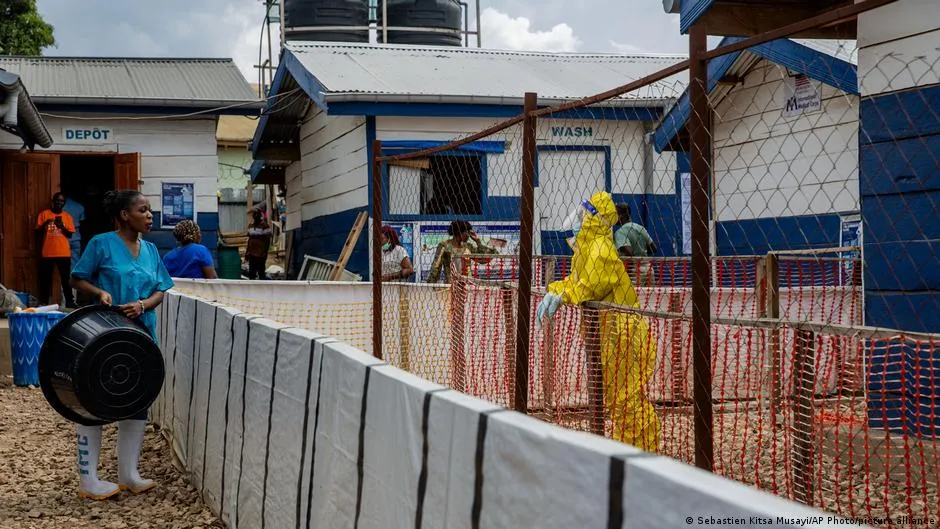
Nigeria confirms first Ebola case in Abuja, a woman just off a Uganda flight
Health Minister Muhammad Ali Pate says the patient flew in from Uganda, putting Africa's latest outbreak on Nigeria's doorstep.