

Ed Sheeran breaks silence alone after Macklemore exit: 'I've had to make difficult decisions'
The singer's first solo concert after his tour unravels reveals his stance on Gaza, venues, and free speech - and what it means for artists facing political pressure.
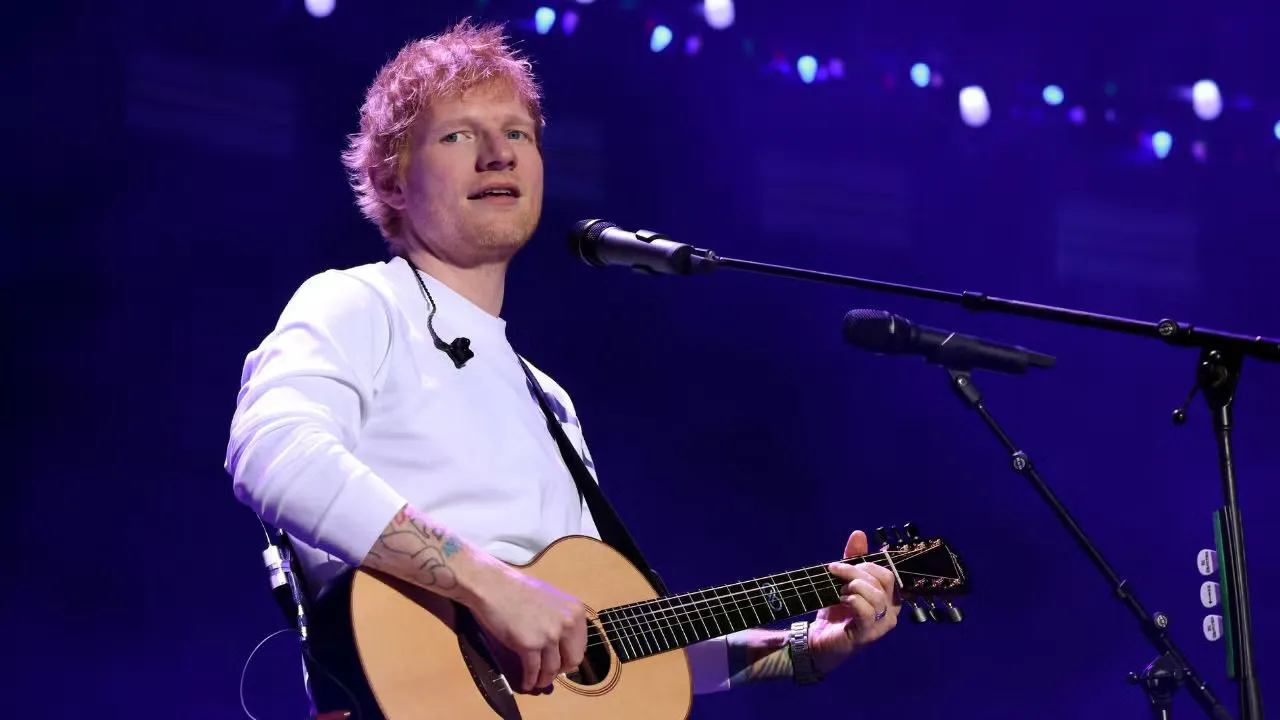
Ed Sheeran took the stage alone in Philadelphia on Saturday and directly addressed the fallout from Macklemore's removal from his Loop Tour, saying he never wanted to be an activist musician but could no longer hide his views. The controversy exposes how venue ownership, promoter decisions, and artist political speech are colliding, forcing every touring act to reassess its own risk exposure.
Ed Sheeran returned to the stage Saturday night alone, his entire supporting cast gone, and finally answered the question that had been hanging over his Loop Tour for two weeks: where does he stand? Speaking at Lincoln Financial Field in Philadelphia, Sheeran admitted he has "had to take and make difficult decisions" and said he is "making mistakes" after Macklemore was removed from the U.S. leg for pro-Palestinian comments. The rapper's exit triggered a mass withdrawal - Finneas, Aaron Rowe, Lukas Graham, and Sheeran's backing band Beoga all pulled out, leaving the headliner to play solo. And in a significant shift for an artist who famously kept politics out of his concerts, Sheeran told the crowd he could not stay silent any longer, calling the October 7 Nova music festival attack "horrific" and describing what is happening in Gaza as "catastrophic, unjustifiable, and disproportionate."
This was not just another celebrity apology. Sheeran used the moment to draw a line on a structural issue that goes far beyond his tour: the power of stadium owners to pre-approve artists' content. "I am deeply worried about the idea that venues should pre-approve content for performance," he said. "This happens in so many places that I perform around the world, but it should never happen in the free world." That sentence reframes the entire controversy. The public narrative had been about Macklemore's politics, but Sheeran's speech made it about who actually controls what artists can say on stage. The tour promoter, Messina Touring Group, said several stadium owners notified them they would not allow concerts with Macklemore on the lineup. That is a quiet but total ceding of creative control to venue owners, and Sheeran is now the most prominent artist to publicly condemn it.
The sequence of events matters for anyone who books, promotes, or invests in live entertainment. Macklemore made pro-Palestinian comments during his Sept. 4 and 5 shows at MetLife Stadium. Almost immediately, stadium owners - including New England Patriots owner Robert Kraft, who objected to Macklemore performing at Gillette Stadium - made clear they would not host the tour with the rapper attached. The promoter removed Macklemore, and Sheeran insists that decision was not his. "This was the decision of the tour promoter and venues, not my own," he said earlier in the week, while acknowledging he spent the week trying to find a solution that would let the tour continue. That effort failed, and every supporting act walked out in solidarity with Macklemore, leaving Sheeran to play dates with no openers and no safety net.
What makes this episode a genuine industry case study is the economic aftermath. Macklemore pledged to donate his $1 million earnings from the tour to organizations supporting Palestinians. Sheeran then personally contacted Kraft and asked him to match that donation with $2 million for humanitarian aid in the region - and Kraft did. So the tour that lost its opening acts still produced a $3 million charitable outcome, but it also demonstrated how political controversy can be partially neutralized with money. For executives, that is a useful but fragile playbook: a crisis response built on counter-donations, not on resolving the underlying free speech conflict.
The deeper strategic stakes are for every artist who is apolitical by brand. Sheeran built a career on being inoffensive, on making concerts "a place where everyone is welcome" without taking sides. But that posture became untenable the moment venue owners demanded content pre-approval. "My concerts have always been a safe space for everyone, and that matters hugely to me," he said. Yet he also admitted the contradiction: a safe space cannot exist if a venue owner can veto an artist's words. Sheeran's solution was to show up alone, speak his mind, and let the music continue. No new opening acts have been added to the Loop tour, so he is now bearing the full production risk alone.
Macklemore's own words after his removal add another layer for leaders watching this. He said his 13-year friendship with Sheeran "can't change my responsibility to tell the truth," but he also acknowledged Sheeran was in a "f-ked up position." Macklemore's critique was pointed: "He couldn't get past his public-facing 'I don't take sides.'" That is the exact tension corporate leaders will recognize. When you try to stay above a deeply polarizing issue, both sides can end up attacking you. Sheeran's speech was an attempt to thread the needle - condemn both the October 7 attack and the Gaza offensive, acknowledge his own ignorance, and promise to listen and learn. Whether that satisfies either side is unclear, but it was a deliberate attempt to reclaim agency after weeks of being framed by other people's decisions.
For CEOs, boards, and founders, the Loop tour is a case study in how quickly a carefully managed brand can be dragged into a geopolitical vortex. The lesson is not that apolitical stances are impossible - it is that they become impossible when a third party with power (a venue, a platform, a regulator) imposes a test. Sheeran's response - acknowledge the stakes, name the structural problem, commit to action, and keep the core product going - is a template for leaders who find themselves unexpectedly in the middle of a global argument. The full statement he read on stage included a commitment to make a contribution to help victims and an admission that "I do not know enough." That humility, paired with a concrete action, is far more defensible than silence. The tour continues, but the open question is whether any venue will now see Sheeran, or any artist, as a safer bet. The answer will determine who controls the mic in the free world.
This story's Key Insights and Take-aways are locked.
Create a free account to unlock Executive Actions for one credit.
Register to UnlockAlways free for Executives Club members. Join the Club
More in Business
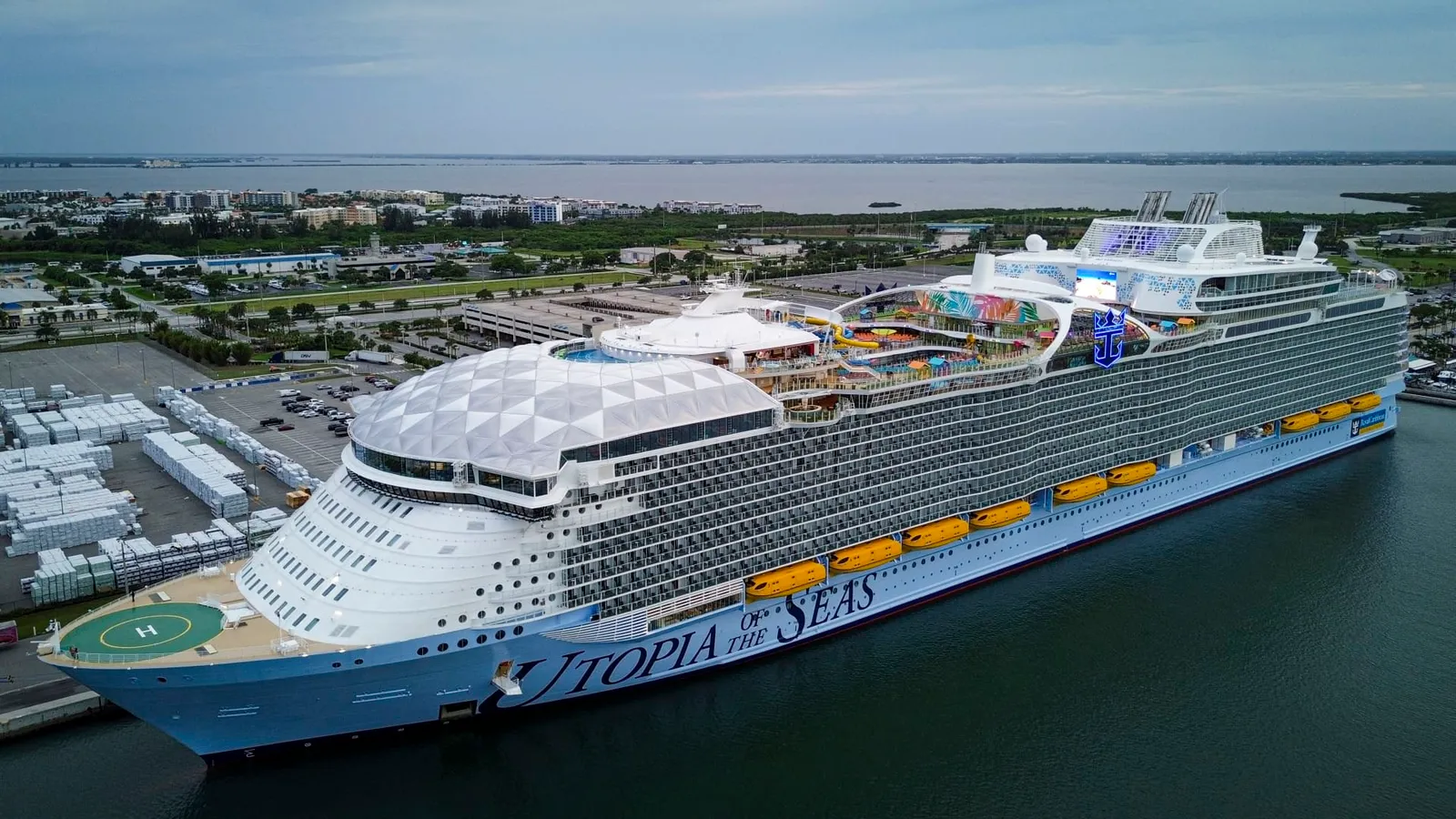
Royal Caribbean just spent $3B to own half of Sandals
The cruise giant is buying a 50% stake in the all-inclusive resort chain for $3 billion, a bet that land-based vacations are the next growth engine.

Paramount's Ellison: Merger Clearance Done, WBD Deal by Oct 1
David Ellison says the Paramount-WBD merger has full clearance after settling with state AGs, clearing the path for an October 1 close.
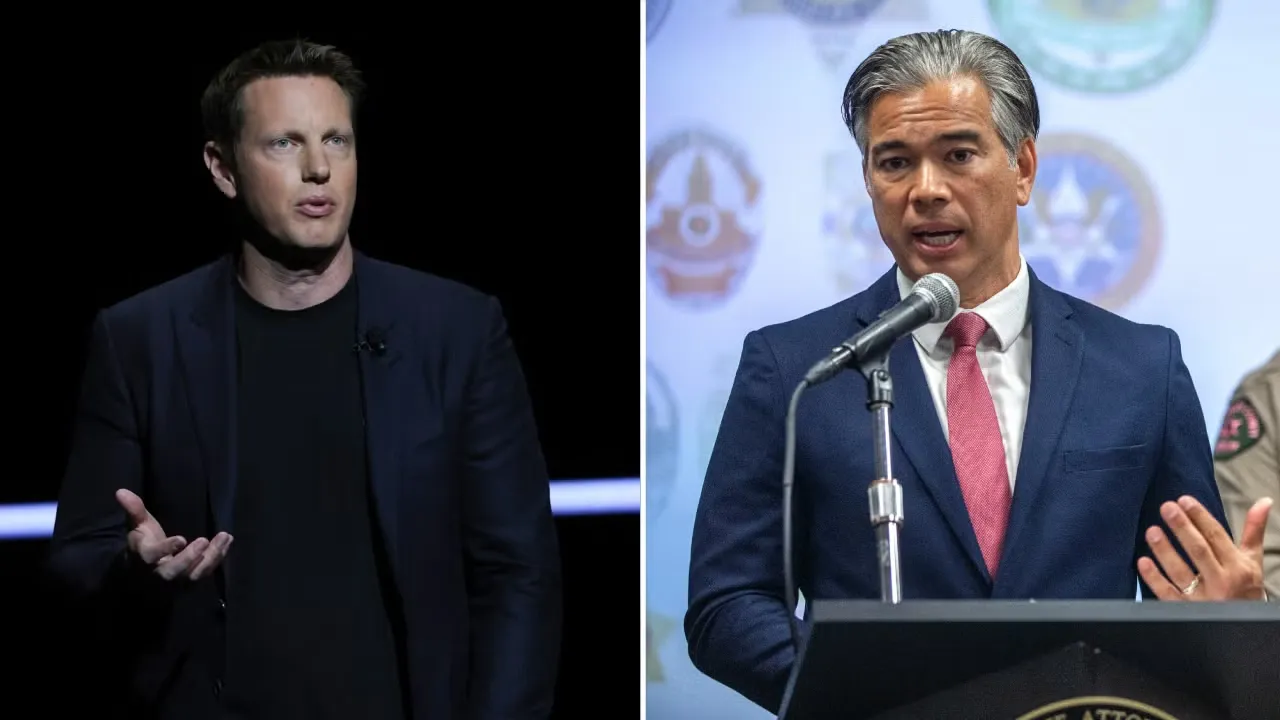
Paramount settles with 12 states, $110B Warner merger clears final hurdle
David Ellison's studio avoids a March trial and a $7M-a-day ticking fee by settling with state AGs over local job losses.