

Ed Sheeran's Onstage Apology After Macklemore Exit: 'I Am Making Mistakes'
In his first show since Macklemore's removal as opener, Ed Sheeran told fans he was 'so, so sorry' - a live lesson in owning a crisis before the narrative owns you.
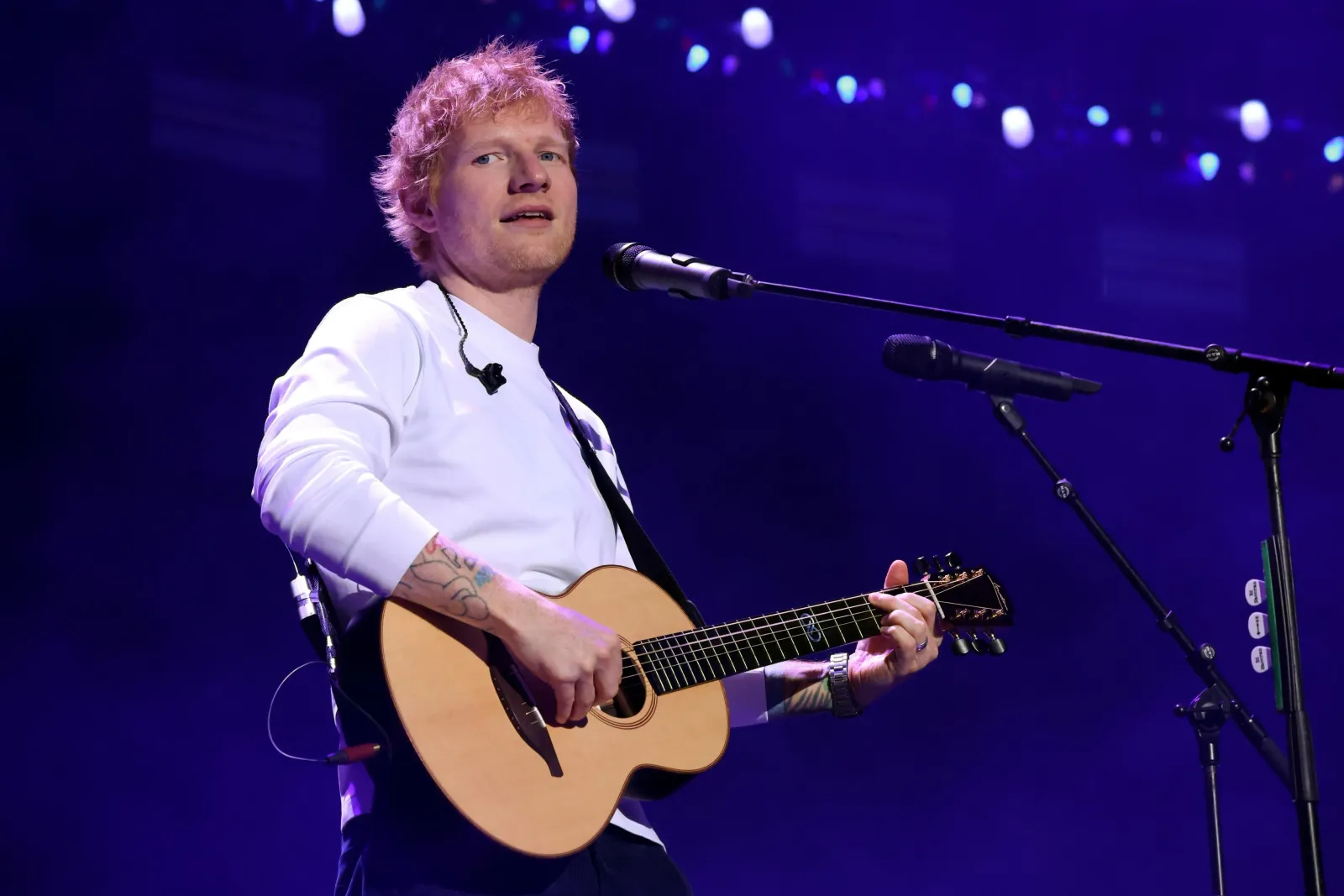
Ed Sheeran, the British singer-songwriter, made his first live statement after Macklemore's removal as his opener, telling the audience he was 'so, so sorry' and that he is 'making mistakes.' The apology signals how public figures can take ownership of a narrative before speculation fills the void.
In his first show since Macklemore's removal as opener, Ed Sheeran stepped onstage and did something many executives avoid: he apologized. The British singer-songwriter told the crowd he was "so, so sorry" and acknowledged, "I am making mistakes." It was a rare, unscripted moment of vulnerability from one of the world's biggest touring artists, and it came at the exact moment the story was hottest - right after a high-profile partnership had been publicly severed.
The source does not specify why Macklemore was removed, and that silence is precisely what makes Sheeran's response so instructive. When a change like this happens, the vacuum fills fast with rumors, fan theories, and press speculation. Sheeran chose to fill it himself, with a direct, human admission rather than a carefully lawyered statement. By leading with "so, so sorry," he shifted the focus from the unknown reason for the split to his own accountability - a move that reframes the entire narrative.
For leaders in any industry, the parallel is immediate. When a key partner, executive, or vendor is suddenly gone, stakeholders want to know what happened and whether the person at the top is in control. A defensive or vague response invites distrust. Sheeran's approach - acknowledge the moment, express regret, and own the imperfection - is the kind of crisis communication that builds long-term credibility, even when the underlying facts are still unclear.
The business context matters too. A major tour is a tightly managed ecosystem: openers are chosen to warm up the crowd, sell tickets, and create a cohesive fan experience. A change at that level can ripple through everything from merchandise bundles to sponsor activations. Fans notice when an opener disappears, and their reaction can color the entire tour's reception. By addressing it onstage, Sheeran gave his audience permission to move on - and signaled to promoters, sponsors, and future partners that he handles disruption with grace.
There is also a strategic lesson in the specific phrasing. "I am making mistakes" is present tense, not past tense. It does not claim the issue is resolved or that the removal was a one-off error. Instead, it frames the situation as an ongoing process of growth. That is a subtle but powerful choice. It lowers the bar for perfection, invites empathy, and makes it harder for critics to demand a full explanation that may not be forthcoming. For a public figure whose brand depends on relatability, this is a masterclass in turning a potential scandal into a moment of connection.
Of course, apologies carry risk. Over-apologizing can look weak, and vague apologies can invite more questions. But Sheeran's statement walks a careful line: it is specific enough to feel sincere, yet general enough to avoid creating new liabilities. He did not blame Macklemore, did not defend himself, and did not offer a timeline. He simply stood in front of his fans and said he was sorry. That is a template for any executive facing an uncomfortable situation with incomplete information.
The stakes extend beyond the concert stage. Every leader eventually faces a moment where a decision they made - or a decision made on their watch - becomes public and uncomfortable. The instinct is often to wait, gather facts, and issue a polished statement. Sheeran's live apology suggests a different path: speak early, speak plainly, and take responsibility for the emotional impact even before the factual record is complete. In a world where every delay is filled with speculation, speed and sincerity can be more valuable than precision.
For the tour itself, the story has already shifted. The headline is no longer just about Macklemore's exit; it is about how Ed Sheeran responded. That is the real power of owning a narrative. The show went on, the apology was delivered, and the audience was brought back into the fold. For CEOs, founders, and public figures watching from the wings, the takeaway is clear: when the unexpected happens, the first words out of your mouth will define the next chapter. Make them count.
This story's Key Insights and Take-aways are locked.
Create a free account to unlock Executive Actions for one credit.
Register to UnlockAlways free for Executives Club members. Join the Club
More in Business

Royal Caribbean just spent $3B to own half of Sandals
The cruise giant is buying a 50% stake in the all-inclusive resort chain for $3 billion, a bet that land-based vacations are the next growth engine.

Paramount's Ellison: Merger Clearance Done, WBD Deal by Oct 1
David Ellison says the Paramount-WBD merger has full clearance after settling with state AGs, clearing the path for an October 1 close.
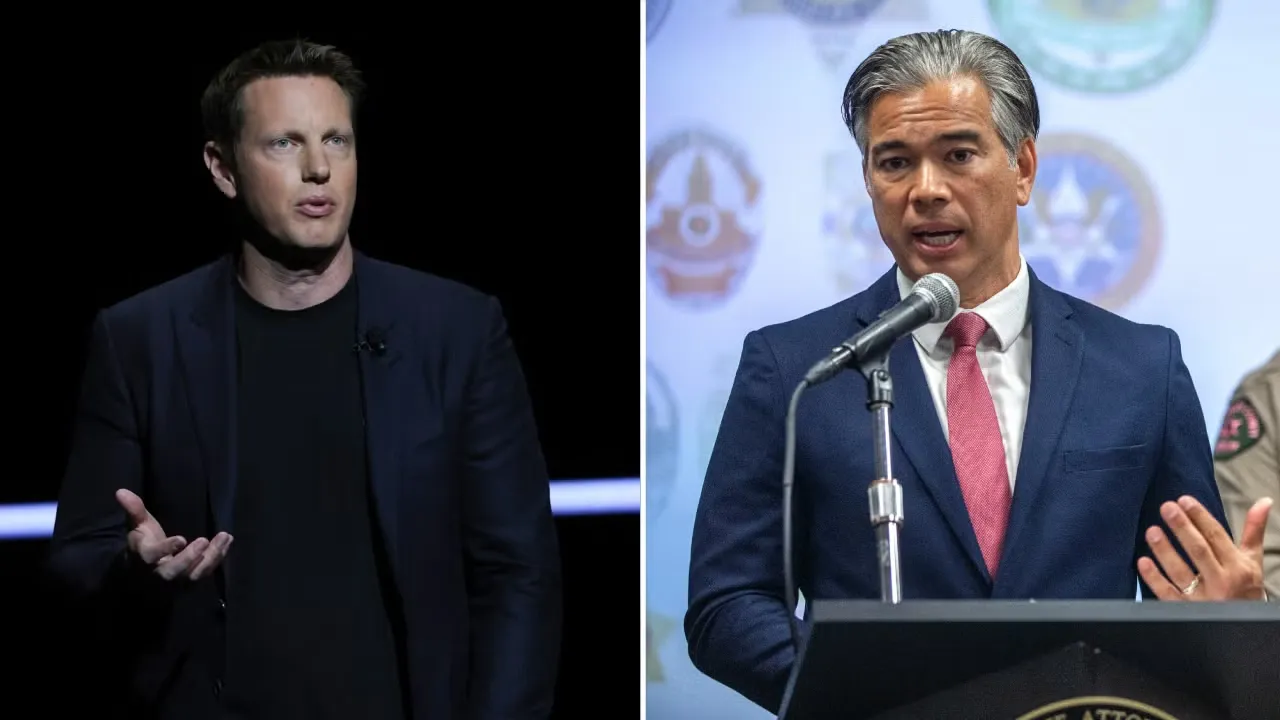
Paramount settles with 12 states, $110B Warner merger clears final hurdle
David Ellison's studio avoids a March trial and a $7M-a-day ticking fee by settling with state AGs over local job losses.