

Ed Sheeran's tour nearly collapsed. Then 50,000 fans saved it
After Macklemore was dropped and his band walked, Sheeran nearly quit music. Philadelphia's crowd pulled him back.
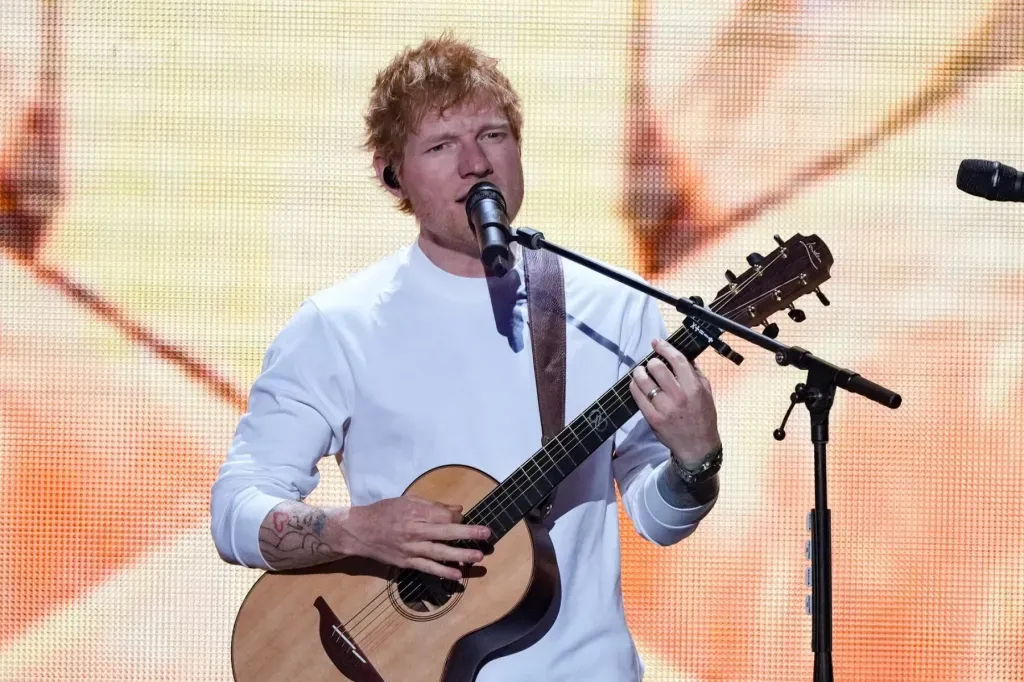
Ed Sheeran addressed a nearly full Lincoln Financial Field on Sept. 19 after his opener Macklemore was removed from the tour and his backing band quit in solidarity, saying the week was among the worst of his life. The 50,000 fans who bought tickets instead of canceling convinced him to continue the tour, a signal for any leader facing public pressure to keep their core audience in view.
Ed Sheeran nearly canceled his entire tour. He nearly quit being an artist at all. Instead, on Saturday night in Philadelphia, he stood in front of a nearly full Lincoln Financial Field and called the show the best of his life, after a week he described as one of the worst of his life. The trigger: his opener and friend Macklemore was dropped from the tour after venue owners, led by Robert Kraft, objected to Macklemore's statements of support for Palestine. In solidarity, the rest of the openers and Sheeran's backing band, Irish group Beoga, walked off the tour, turning a routine concert run into a PR crisis for an artist who has spent years avoiding controversy entirely. Sheeran addressed the situation directly from the stage before playing a note, reading a statement that called the October 7 attack on the Nova music festival horrific, the situation in Gaza catastrophic, unjustifiable, and disproportionate, and the systemic injustice in the West Bank impossible to overlook. He apologized for making mistakes, said he was speaking to people across the spectrum to figure out how to help victims, and then tried to refocus the night on what a concert is supposed to be: a place where people with opposing views can stand next to each other and sing songs about love, hope, and unity. The crowd, he said, was the reason he did not walk away. "I saw ticket sales for this gig, and I didn't see cancellations, I saw people buying tickets," Sheeran told the audience. "I'm there, and everyone's telling me to cancel, and I'm feeling all of my friends and family and people I know abandon me. And I look at the end of the week, and I see 50,000 people who haven't abandoned me." That number, 50,000, is the clearest measure of the stakes. Sheeran's tour is built around him performing mostly alone, using a loop pedal to build backing tracks live. The loss of his openers and Beoga stripped away the supporting cast, leaving him more isolated on stage than ever. He even scrapped the usual B-stage segment for safety, telling the crowd he was worried about "what might happen if [he] stood in the middle" of them. He brought in violinist Alicia Enstrom, who has toured with him before, to lead a last-minute backing group for the section that includes "Galway Girl," but he did not say whether that arrangement would continue for the rest of the tour. The uncertainty was visible. Sheeran joked that until this week, the only time he appeared in the news was if he was in court. He asked the crowd if they enjoyed the openers, a line that landed differently depending on how much the audience knew. And in his longer, more off-the-cuff statement before the finale, he admitted he did not know whether the tour would carry on, whether he would get on stage again, or whether he even wanted to be an artist at all. "I have so many people telling me to cancel this tour, and I have so many people falling out of my life that I've known for years and years and years, people just kind of backing away," he said. The Philadelphia crowd, which showed little visible sign of controversy once the show began, responded with the kind of unified energy that Sheeran said strengthened his resolve. "People will say what they want, but I'm doing this for you," he told them. "I love the unison we have here. I love bringing people together of all races, all religions, all political ideas." He ended with a blunt framing of what quitting would have meant: "If this tour ends, love doesn't win." Then he wiped his eyes, stood up, and finished the set with pyrotechnics, as if nothing had happened. For executives watching from outside the music industry, the episode is a case study in how quickly a supply chain can unravel when a single partner takes a public stance. Macklemore's removal, driven by venue owners led by Kraft, triggered a cascade: openers quit, the backing band quit, and the headliner was left to decide whether the entire operation should shut down. Sheeran's response, to acknowledge the controversy head-on, apologize for mistakes, and then anchor his decision to continue in the loyalty of his actual customers, is a template for leaders facing pressure from multiple directions. The tour's survival depended on the people who had already paid, not the people who were shouting. Sheeran's own words captured the calculation: "I'm there, and everyone's telling me to cancel, and I'm feeling all of my friends and family and people I know abandon me. And I look at the end of the week, and I see 50,000 people who haven't abandoned me." The show went on, but the structure around it is permanently changed. Sheeran now carries the tour with a smaller cast, a heavier set of decisions, and a new understanding of who his real stakeholders are. For any leader whose business depends on a network of partners, the lesson is uncomfortable: one public stance can dissolve years of relationships in days, and the only reliable counterweight is the base that keeps showing up.
This story's Key Insights and Take-aways are locked.
Create a free account to unlock Executive Actions for one credit.
Register to UnlockAlways free for Executives Club members. Join the Club
More in Business
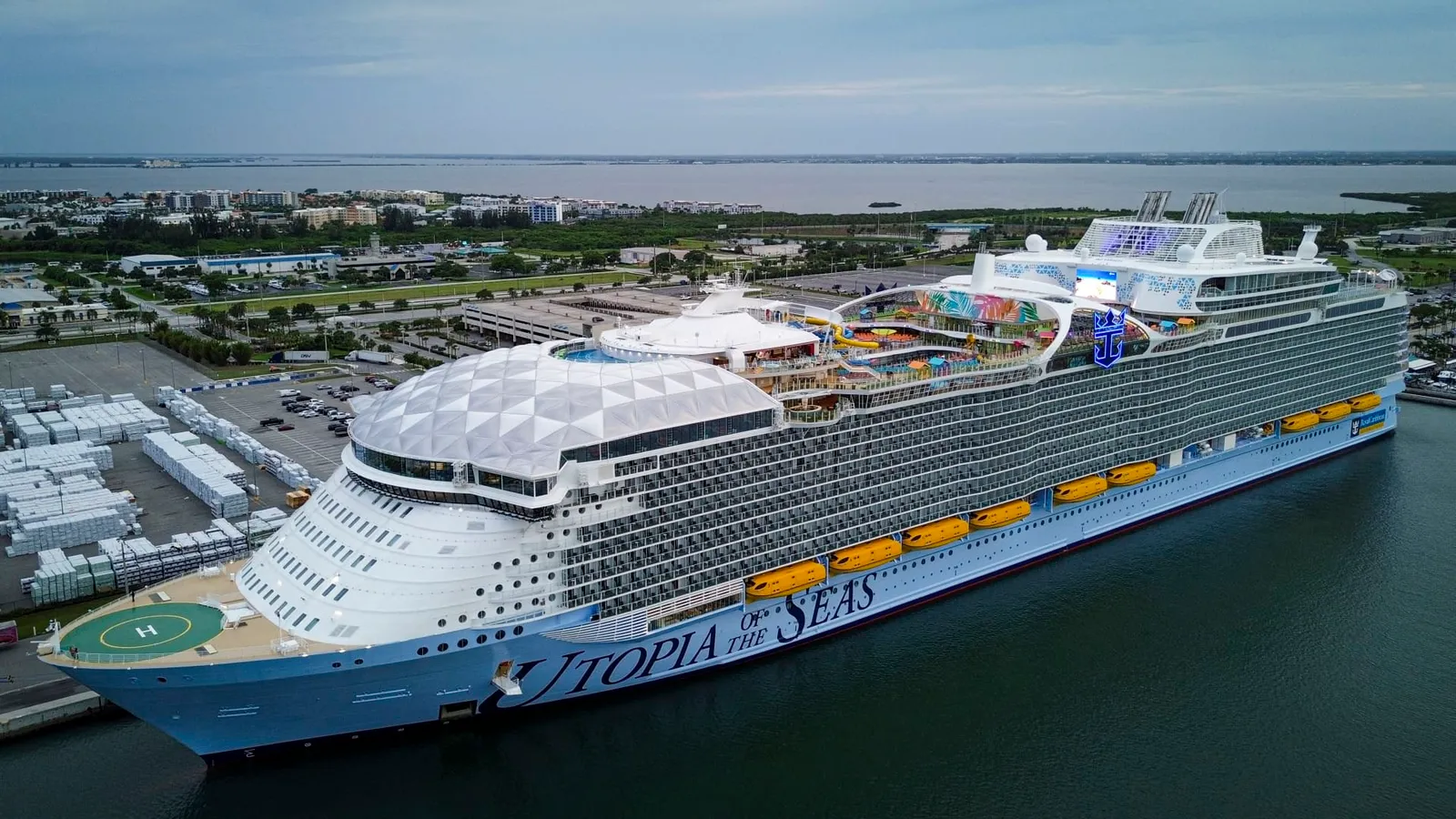
Royal Caribbean just spent $3B to own half of Sandals
The cruise giant is buying a 50% stake in the all-inclusive resort chain for $3 billion, a bet that land-based vacations are the next growth engine.

Paramount's Ellison: Merger Clearance Done, WBD Deal by Oct 1
David Ellison says the Paramount-WBD merger has full clearance after settling with state AGs, clearing the path for an October 1 close.
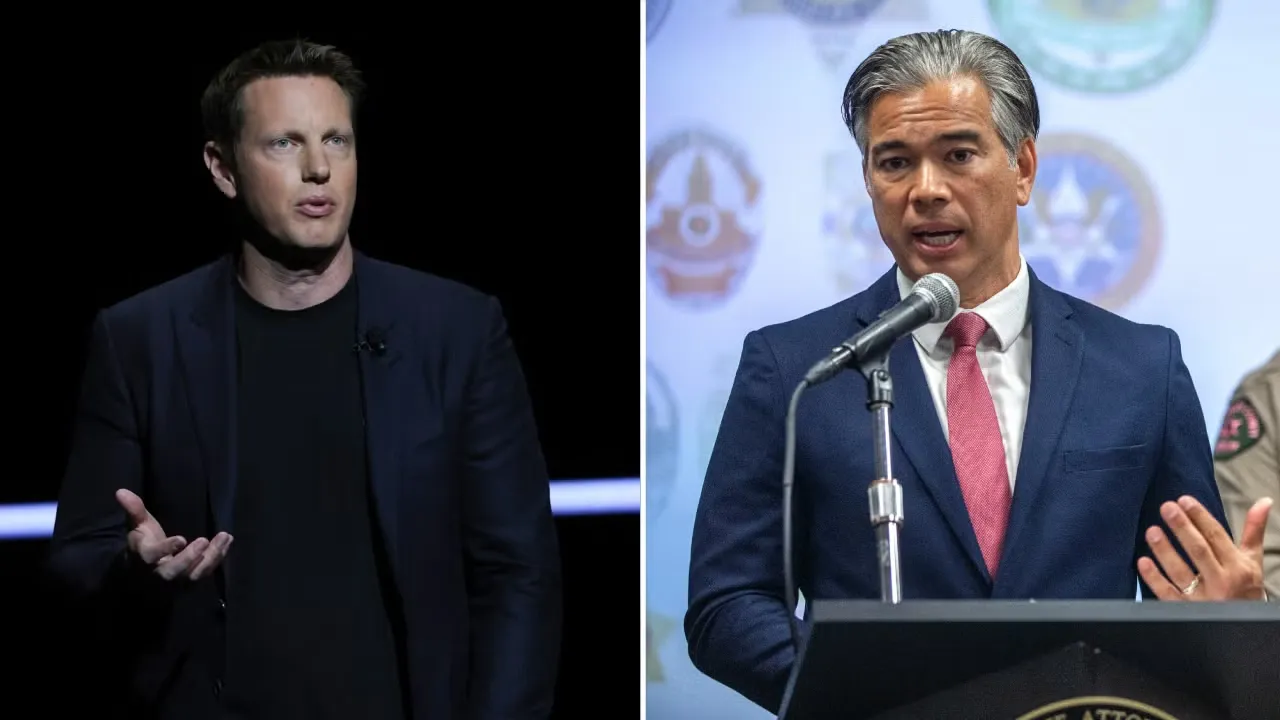
Paramount settles with 12 states, $110B Warner merger clears final hurdle
David Ellison's studio avoids a March trial and a $7M-a-day ticking fee by settling with state AGs over local job losses.