
Egypt files FIFA complaint over Argentina VAR call after viral “rigged” claims
The complaint cites “double standards” and asks FIFA to remove the referee and team after Egypt's 2-0 lead collapsed.
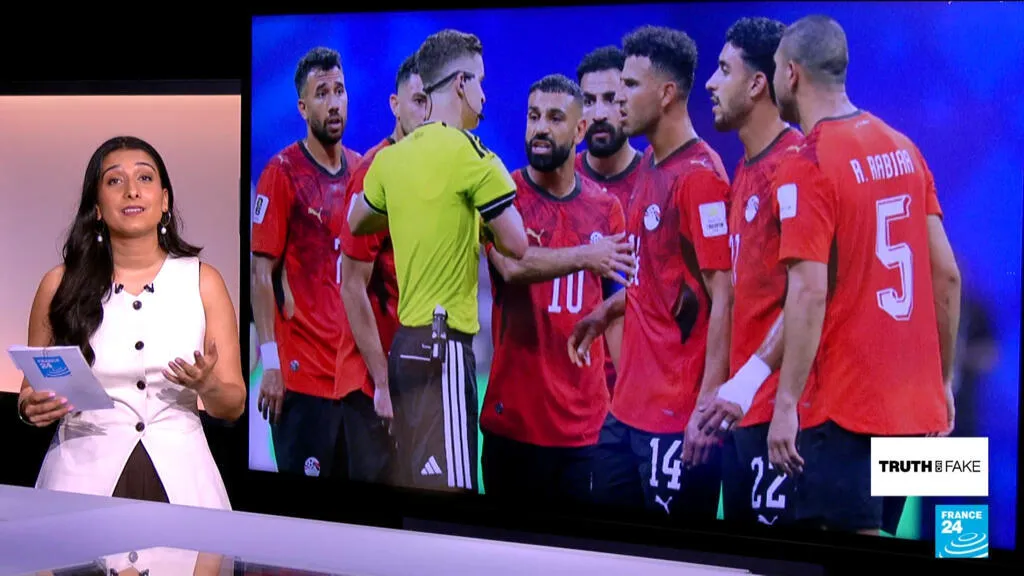
Egypt has filed a formal FIFA complaint following its World Cup exit against Argentina, alleging “double standards” tied to a VAR decision. For decision-makers, it raises the regulatory and reputational stakes of officiating disputes and viral narrative risk.
Egypt has filed a formal FIFA complaint after its controversial World Cup exit against Argentina, accusing officials of “double standards” and demanding the removal of the referee and his team. Egypt’s grievance starts with a simple timeline: it led 2-0, then Argentina staged a dramatic comeback that flipped the match narrative in minutes. Now Egypt wants FIFA to intervene, and it is tying the complaint to a specific flashpoint, a VAR decision that ruled out a crucial Egyptian goal.
That VAR ruling is the reason the dispute has escaped the stadium and gone viral online. Egypt’s defeat has fueled viral claims that Argentina’s World Cup run was “rigged,” and that the tournament was designed to benefit Lionel Messi’s squad. Whether those claims are proven or not, the complaint itself is concrete: Egypt is saying the officiating process was unfair, and it is asking FIFA to take action by removing the referee and his team. In tournament football, that is not just sour grapes. It is an attempt to force the sport’s governing mechanism to address perceived inconsistencies before the story hardens into lasting legitimacy damage.
To understand why this matters beyond the match, zoom out to how FIFA and football’s match-official system operate. World Cup matches are structured around strict competitive rules, with technology like VAR introduced to reduce clear errors. The trade-off is that VAR also introduces new points of contention: a decision can be correct in law and still feel wrong in emotion, especially when a goal is ruled out. When the official explanation does not reach fans in a way that feels satisfying, the internet supplies its own explanation. In this case, the source describes viral “rigged” claims and accusations of favoritism toward Argentina and Lionel Messi, which amplifies the perceived stakes of any single officiating call.
There is also a regulatory and procedural dimension. A formal FIFA complaint signals that Egypt is not only contesting the result. It is requesting a change in the officiating personnel connected to the match, by demanding the removal of the referee and his team. That request matters because it tests FIFA’s enforcement posture. Will FIFA treat the dispute as a one-off reviewable error, or will it treat Egypt’s “double standards” framing as a sign of systemic inconsistency that requires personnel action? Even if the underlying facts stay the same, the response sets precedent for how future complaints will be handled.
Boards, league officials, club executives, and sponsors usually talk about “on-field integrity” in abstract terms, but this story shows the mechanism: integrity fights can become reputation fights fast. When a match turns on a VAR call, and then the losing side files a formal complaint, you get a double pressure system. On one side are the formal rules and FIFA’s process. On the other side are viral claims that erode trust at scale, especially when prominent figures like Lionel Messi enter the narrative. The source ties the viral claims to the idea that the World Cup was designed to benefit Messi’s squad. Whether that is true or not, the perception of being “favored” can influence how fans, media partners, and commercial stakeholders interpret the tournament's fairness.
Second-order implications show up in the risk management playbook for any organization with money in football. The first risk is operational: tournament schedules and match outcomes are the core inputs for competitive integrity. The second risk is communications: once “rigged” narratives spread, they can keep spreading even if the official review finds no wrongdoing, because fans anchor on emotion and momentum. The third risk is governance: if FIFA reviews multiple complaints with inconsistent outcomes, future teams learn what kinds of objections gain traction, and complaints can become strategic rather than purely corrective.
For executives who live in the world of process, this is a reminder that decision quality is not just about getting the call right. It is also about the perceived consistency of the system and how quickly the institution can respond. Egypt’s complaint is a direct challenge to perceived standards, and its viral fuel comes from a match swing after a VAR decision ruled out a crucial goal. The stakes for peers are straightforward: any organization touching high-visibility competitions should assume that officiating disputes can trigger formal regulatory actions and reputational storms at the same time.
In short, Egypt’s exit against Argentina is now a governance story. The complaint alleges “double standards” and demands removal of the referee and his team, while the wider conversation includes viral claims of a “rigged” World Cup built around Messi’s squad. For decision-makers, the strategic question is not only what FIFA decides. It is whether the response can preserve trust fast enough to stop the internet from writing the final chapter.
This story's Key Insights and Take-aways are locked.
Create a free account to unlock Executive Actions for one credit.
Register to UnlockAlways free for Executives Club members. Join the Club
More in Politics

Glacial collapse, not rain, killed 180 in Nepal's Himalayan flood
The Himalaya's extreme geography hid the true cause of Nepal's catastrophic flood, a glacial collapse that turned a geological battleground into a mass-casualty zone.

Iran’s Esmail Baghaei says Oman talks start shipping via Hormuz, not US talks yet
Temporary route plans with Oman aim to restart commerce while Tehran says Washington dialogue is not on the table.

Standards watchdog opens probe into Reform UK deputy leader Richard Tice over interests
The parliamentary standards commissioner says it began an investigation on 28 July into a possible undeclared interest.