
Egypt manager Ibrahim Hassan confronts Dallas police after Westin access request
An altercation in the Westin Hotel lobby on Thursday shows how security, credentials, and public optics collide.
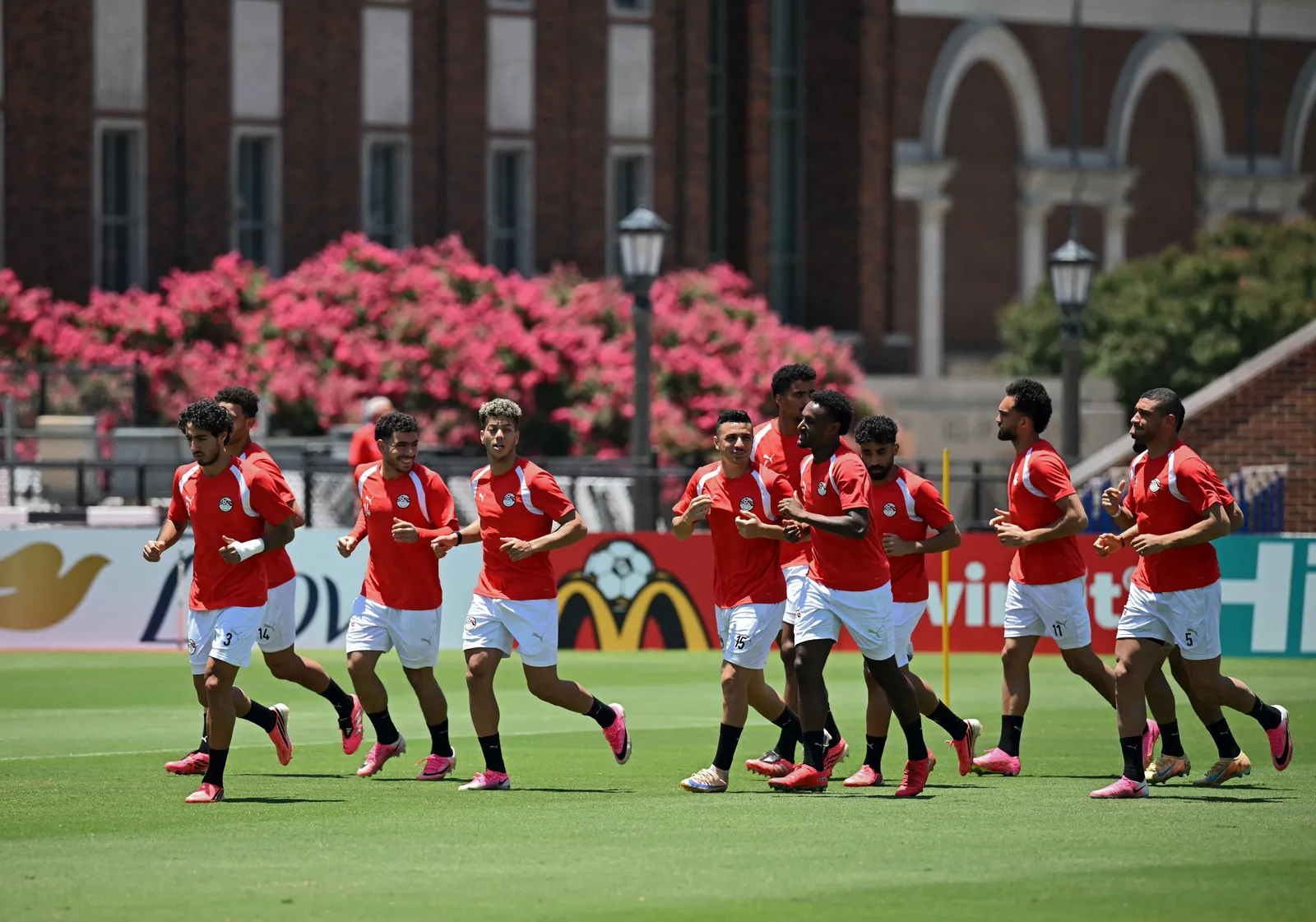
Egypt team manager Ibrahim Hassan was involved in an altercation with a Dallas police officer in the lobby of the Westin Hotel Thursday night, before Egypts knockout match against Australia. The Dallas Police Department said officers responded at hotel security request regarding a person without event credentials attempting to gain access, and the matter was resolved on scene.
DALLAS - Egypt team manager Ibrahim Hassan, identified in a widely circulated video, was involved Thursday night in a verbal and physical confrontation with a Dallas police officer in the lobby of the Westin Hotel. The incident happened the night before Egypts knockout match against Australia, and it is the kind of story that does not stay in the sports section. It turns into an operational and reputational test for everyone around the team: staff, security vendors, league and federation leadership, and local host partners.
The Dallas Police Department said its officers responded at 10:50 p.m. Thursday to the Westin at the request of hotel security, regarding an individual without event credentials attempting to gain access. In the video circulated by Al Jazeera and other outlets, the officer appears trying to block Hassan from approaching two other people. The officer can be seen shouting “back off” and shoving someone, while bystanders block the view of who he shoved. A second man in a T-shirt marked "Egypt" appears a few seconds later confronting the Dallas officer, and the altercation lasts a few more seconds until other people and at least one other Dallas police officer intervenes. That is the core fact pattern: a credentials issue triggers a security response, a police intervention follows, and then the public version of events spreads fast.
Why it matters for executives is not the gossip. It is the mechanics. In major sporting events, credentials and access controls are supposed to be boring. They are the infrastructure that keeps athletes and staff moving safely while preventing outsiders from entering restricted areas. The police department statement frames the trigger as a straightforward access-control problem: an individual without event credentials attempting to gain access. When that becomes visible on camera, the story changes from “security handled an access attempt” to “what were the team doing, why was the response so physical, and who is to blame?” Even if the on-scene resolution is quick, the digital trail keeps running.
There is also an incentive mismatch built into how these environments operate. Hotel lobbies are public-facing, while teams operate under high pressure, tight schedules, and layered restrictions. When someone without event credentials is perceived to be trying to enter, hotel security and local police are incentivized to act fast. Teams are incentivized to keep their internal operations stable and protected, but that does not always translate into perfectly aligned procedures with local security partners. The Dallas Police Department said the “situation was resolved on scene” and that it met with representatives of the team to address their concerns. The department also said in an emailed statement that “The matter has since been resolved.” In other words, the immediate operational dispute may have ended, but the reputational questions can outlive the resolution.
The people in the story add another layer of complexity. The video identifies the man in question as team manager Ibrahim Hassan, described in the report as a longtime national team player and brother of Egyptian coach Hossam Hassan. That family linkage is not just trivia. It raises the stakes for how the federation and coaching staff manage narratives and internal discipline, because any perceived disorder hits both credibility and morale. The report also notes that Egyptian Embassy and Egyptian Football Association did not immediately respond to requests for comment, while the Dallas Police Department did not respond to follow-up questions via email or voice message. When institutions do not comment quickly, the vacuum gets filled by whatever video is easiest to share.
For decision-makers, there is a practical second-order effect: access-control processes become an executive priority, not a back-office issue. This incident happened in a specific time and place, the Westin Hotel lobby at 10:50 p.m. Thursday, according to Dallas police. That detail is a reminder that the “last mile” of event security is still where things can go sideways. The team is preparing for a knockout match against Australia, so any distraction, even a short one, can affect focus. And beyond focus, there is the organizational risk: teams may face internal reviews of credentialing, staff movement, and how security teams coordinate with local authorities.
It is also a reminder for boards and sponsors that sports-adjacent incidents are operational risk incidents. Even when police say the matter was resolved and meetings occurred, the public version of the event is out there, amplified by outlets including Al Jazeera and others. Once a confrontation is captured and named, internal uncertainty can increase: Were credentials handled correctly? Was there a misunderstanding between team personnel and hotel security? Did communications break down at the moment of police involvement? The report does not provide those answers. But it does provide a clear chain: hotel security requested help, Dallas police responded, and the interaction escalated long enough to be recorded and shared.
Ultimately, the strategic stake is simple: in high-profile events, security failures and public optics can become the story, even when the official record says the situation was resolved. Hassan and the team were trying to move from hotel to competition, but what played out in the lobby shows how quickly credentials, access disputes, and physical confrontation can intersect. For executives across sports, events, and hospitality, the lesson is not “panic.” It is to treat credentialing, staff identification, and incident communications as core operations that deserve rehearsed playbooks, because the crowd, the cameras, and the internet do not wait for your internal debrief.
This story's Key Insights and Take-aways are locked.
Create a free account to unlock Executive Actions for one credit.
Register to UnlockAlways free for Executives Club members. Join the Club
More in Politics

Glacial collapse, not rain, killed 180 in Nepal's Himalayan flood
The Himalaya's extreme geography hid the true cause of Nepal's catastrophic flood, a glacial collapse that turned a geological battleground into a mass-casualty zone.

Iran’s Esmail Baghaei says Oman talks start shipping via Hormuz, not US talks yet
Temporary route plans with Oman aim to restart commerce while Tehran says Washington dialogue is not on the table.

Standards watchdog opens probe into Reform UK deputy leader Richard Tice over interests
The parliamentary standards commissioner says it began an investigation on 28 July into a possible undeclared interest.