

Sports Minister Anika Wells' 2025 travel scandal keeps Labor MPs home for Socceroos matches
A World Cup win could trigger a public holiday, but the expense mess from 2025 is still shaping who travels.
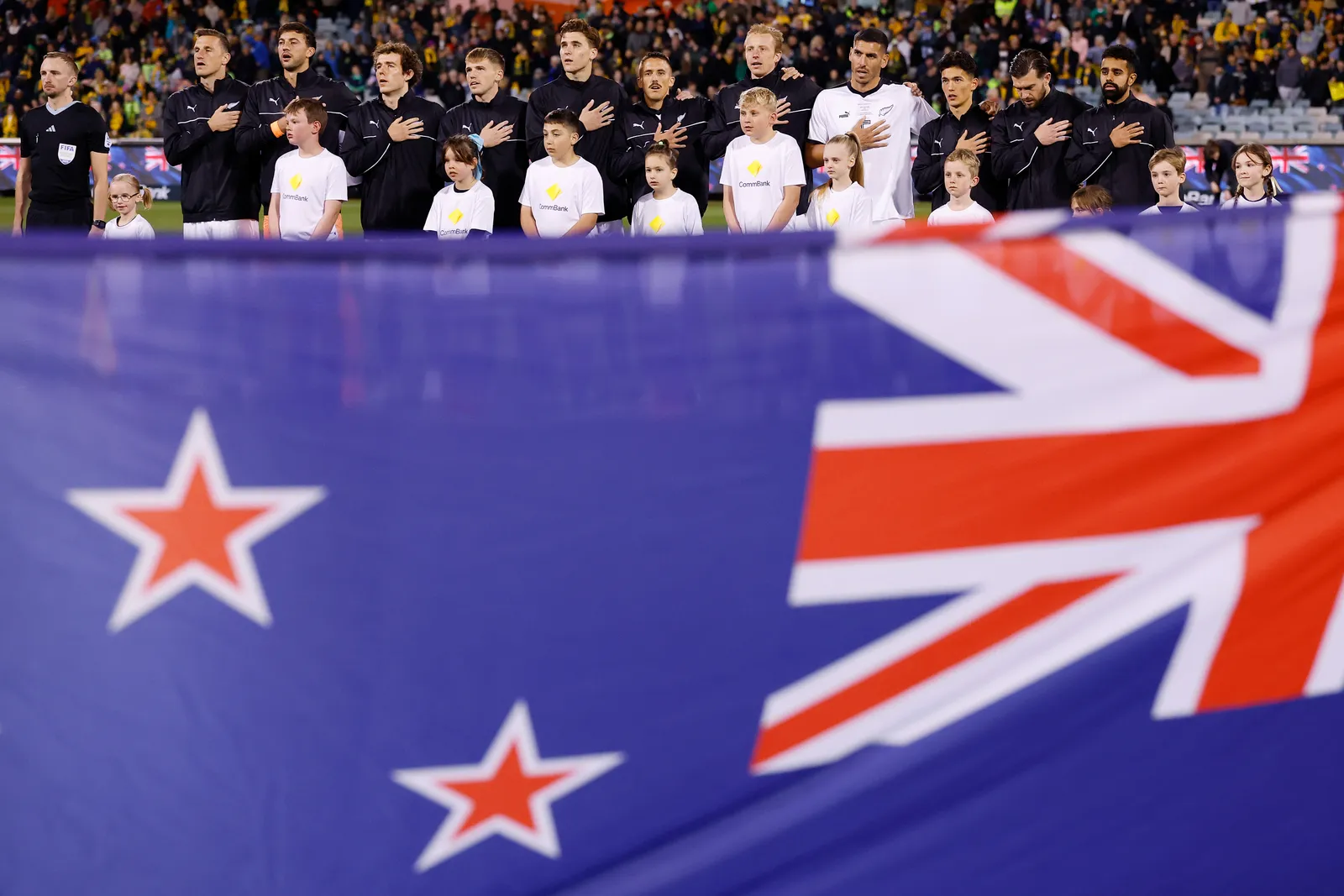
Australia's Sports Minister Anika Wells is at the center of a 2025 travel spending scandal that nearly cost her the ministry. In the months since, many governing Labor Party MPs have avoided World Cup trips while Parliament sits, leaving Jerome Laxale to become the most visible face during Socceroos matches.
CANBERRA, Australia - Australia’s Prime Minister Anthony Albanese said Thursday he’d urge state governors to declare a weeklong holiday if the Socceroos win the World Cup. The timing is pretty specific: Australia plays Egypt in its first knockout match today, and Albanese’s enthusiasm for the run is in the spotlight.
But when POLITICO reached out to ministers and members of Parliament for comments, favorite players, and travel plans for today’s match, the answers were uniformly absent. The story behind that silence is not a lack of interest in soccer. It is a lingering fear of travel optics, traced to a 2025 travel spending scandal involving Sports Minister Anika Wells, which nearly cost her the ministry.
Here’s what that means in practice. In parliamentary democracies like Australia’s, travel during sitting weeks is rarely “just travel.” It is time away from votes, committee work, and the general churn of legislative business. It is also money, reimbursements, and the kind of administrative paperwork that can quickly become a headline if details get messy. After the 2025 scandal, the governing Labor Party’s MPs largely chose a conservative strategy: stay put during Parliament’s sitting weeks, even if a high-profile sporting event would normally justify a trip.
POLITICO reports that the scandal left “most MPs” afraid to travel during those sitting weeks, and that dynamic effectively reshuffled the optics of the ruling party during group matches. Jerome Laxale, a second-term member, became the unexpected face of Labor as the team’s games rolled on. That shift matters because in politics, visibility is leverage. You do not need a minister’s title to get attention, but you do need someone who will show up, take the pictures, and be present when the narrative is being written.
That narrative did not stay tidy. Laxale’s rise to relative fame was referenced Wednesday during a roast at the Australian Parliamentary Press Gallery Midwinter Ball, which POLITICO compares to the White House Correspondents’ Dinner. The joke, as reported, was that he was “subbing in Lionel Messi for a midfielder from Curaçao.” Jokes are not policy, but they are a real signal of where attention is landing. When politicians become meme-able for the wrong reason, it tells you the underlying incentive system is working overtime. In this case, it also underscores how the expense scandal has become a kind of cultural reference point inside the political class.
The contrast gets sharper when you look at the conservative opposition. Three MPs from the Liberal Party told The Sydney Morning Herald they were either paying their own way to the World Cup or could join only because of existing unrelated travel plans. That distinction is the whole chessboard: the source says the issue for many Labor MPs is fear around traveling during sitting weeks in the wake of the Wells scandal. The opposition, at least in this snapshot, is drawing a line between “official trips” that could invite scrutiny and personal or pre-existing travel that is not tied to the World Cup the same way.
Now zoom out to the prime minister’s holiday promise, because it adds another layer of complexity. Albanese’s plan for a weeklong public holiday upon Australia lifting the trophy would require state governors to make it official. It is not a unilateral federal decree. POLITICO notes that the last time Albanese declared a unilateral holiday was upon the death of Queen Elizabeth II, which hints at how unusual it is for him to do that kind of thing without going through the state level. In other words, even the “celebration” plan is entangled in jurisdictional process, not just political enthusiasm.
For decision-makers, the second-order implication is straightforward: the downside of being associated with “expense” can outlast the original political event. Once a scandal sets a pattern of fear, the safest behavior is not necessarily the most popular behavior. MPs may calculate that avoiding World Cup travel during sitting weeks reduces personal and party risk, even if it means fewer leaders on the ground and less direct engagement with the moment.
And that has consequences for everyone who thinks they can manage politics like marketing. When the incentive system is driven by regulatory and reputational memory, optics become policy. Labor’s leadership may believe it is simply minimizing risk after the 2025 travel spending scandal involving Anika Wells. But the result is that who gets to represent the party during big national moments can shift from seniority to whatever minimizes exposure. If you are an executive, a board member, or a strategist watching how institutions react under scrutiny, this is a reminder: once compliance and reputational risk become central, the “who shows up” question becomes its own governance problem.
This story's Key Insights and Take-aways are locked.
Create a free account to unlock Executive Actions for one credit.
Register to UnlockAlways free for Executives Club members. Join the Club
More in Politics
Glacial collapse, not rain, killed 180 in Nepal's Himalayan flood
The Himalaya's extreme geography hid the true cause of Nepal's catastrophic flood, a glacial collapse that turned a geological battleground into a mass-casualty zone.
Iran’s Esmail Baghaei says Oman talks start shipping via Hormuz, not US talks yet
Temporary route plans with Oman aim to restart commerce while Tehran says Washington dialogue is not on the table.
Standards watchdog opens probe into Reform UK deputy leader Richard Tice over interests
The parliamentary standards commissioner says it began an investigation on 28 July into a possible undeclared interest.