

Elon Musk buys a gas turbine company, aiming it at SpaceXAI data-center power
The acquisition points to an on-site generation strategy for data centers, with real operational and regulatory ripple effects.
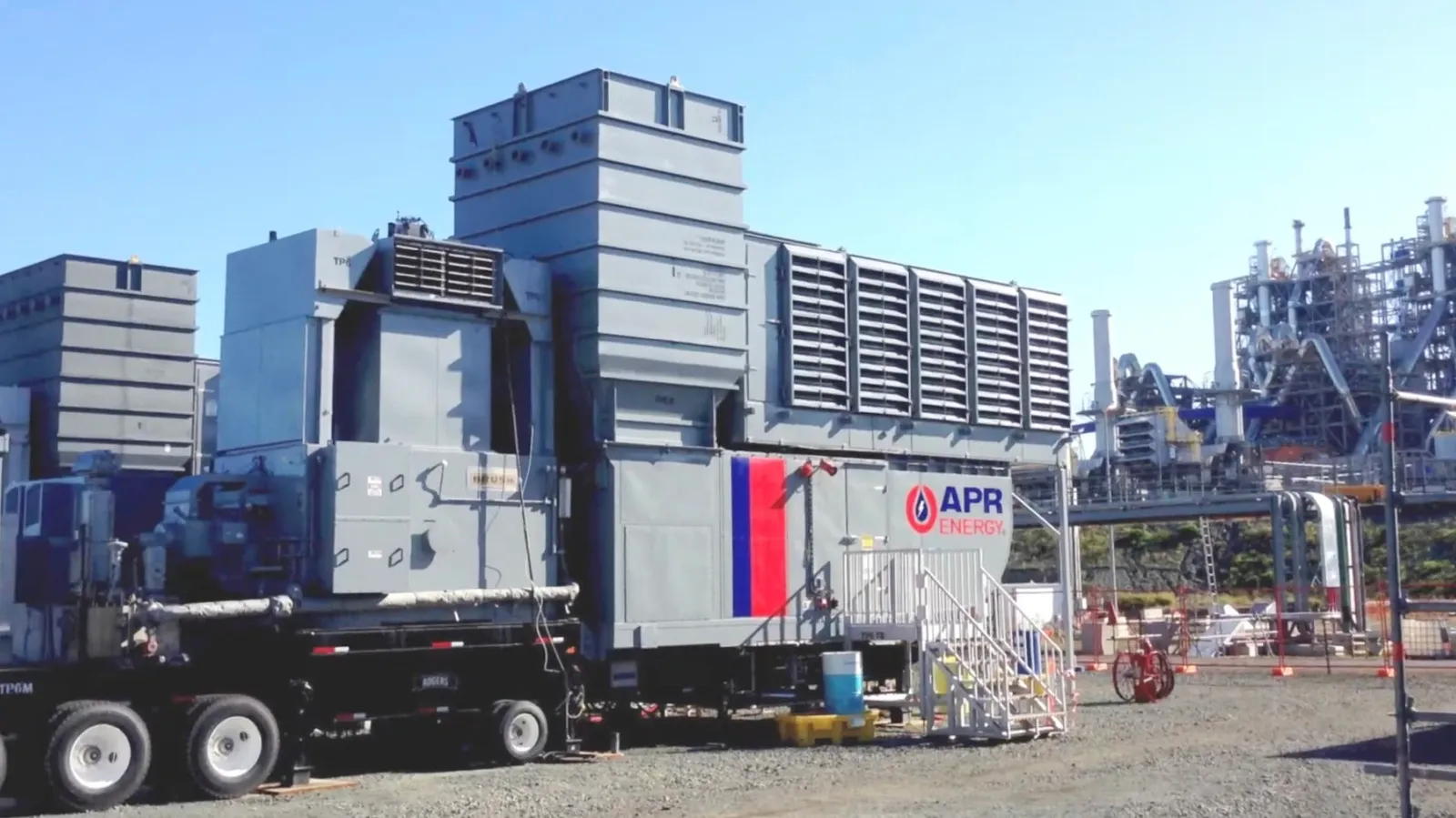
Elon Musk has bought a gas turbine company, according to Engadget. The move is likely to become a direct power source for SpaceXAI data centers.
Elon Musk bought a gas turbine company, and Engadget reports that it is likely to become a direct power source for SpaceXAI data centers. In plain terms: this is not a theoretical “future energy” play. It is a hands-on step toward controlling power generation for compute facilities, where electricity is often the gating item long before servers are the limiting factor.
For decision-makers, the stakes are simple. If you can secure power that is reliable, dispatchable, and closer to the site, you reduce the schedule risk that has plagued data center buildouts. Engadget’s framing matters here because it connects the ownership move (a gas turbine company) to a specific outcome (powering SpaceXAI data centers), rather than leaving it as a vague industrial pivot.
To understand why this matters, you have to look at how data centers typically get power. Electricity procurement is usually a mix of grid supply, utility coordination, and backup generation planning. That “planning” can get expensive fast, because the timelines are not always aligned. Permitting, interconnection, equipment lead times, and utility approvals can drag while compute demand keeps climbing. When operators fall short on timeline, they may end up paying for temporary fixes, or they delay capacity, or both.
Gas turbines are one way operators try to tighten that timeline. Unlike purely renewable assets, turbines can produce electricity on demand, which can be valuable when the goal is consistent load for data centers. That does not eliminate permitting or environmental oversight, but it can change the shape of the solution. Instead of treating power as something you wait for, you treat it as an integrated capability you can develop and deploy. Engadget’s note that the turbine company is likely to feed directly into SpaceXAI data-center power suggests Musk is moving along that “integrate, then scale” path.
There is also a strategic ownership angle that boards and investors pay attention to. Buying a company is different from signing a contract. Ownership can give more flexibility over technology, integration, and execution speed. It can also consolidate know-how that would otherwise live across vendors. In infrastructure-heavy businesses, that matters because the long-term advantage often comes from operational execution, not just from capital availability.
Regulatory background is part of the reality here, even when the source stays high level. Energy and generation assets run into environmental review, emissions rules, noise constraints, and permitting requirements. Data centers also face local scrutiny, particularly when they expand quickly. When a technology and generation capability is tied to a new or expanding facility, the compliance story has to move with it. That is one reason the “direct power source” framing is meaningful. It signals an attempt to control the power stack in a way that can be planned alongside the data center build rather than bolted on at the last minute.
If you are a peer executive in power, infrastructure, or AI compute, this acquisition is a signal to watch. Musk’s move hints at a broader industry pattern: as AI workloads scale, the winners may be those who can secure energy like a core constraint, not an afterthought. Even without extra details beyond Engadget’s report, the logic is hard to ignore. Data centers live or die by uptime and scheduling. Energy availability turns into a competitive weapon.
The second-order effect is that this kind of integration pressures everyone else in the ecosystem to think in terms of end-to-end delivery. Utilities, generators, and data center operators may find themselves under more pressure to offer tighter lead times or more modular solutions. Meanwhile, companies that rely purely on the grid and delayed infrastructure could see greater operational volatility as demand continues to surge.
Bottom line: Engadget’s report says Elon Musk bought a gas turbine company, and it is likely headed for direct power use at SpaceXAI data centers. If that plays out, it is a reminder that in the AI era, “compute” is not the only hard problem. Power sourcing can be the bottleneck, and the bottleneck is now being treated as something Musk intends to own.
This story's Key Insights and Take-aways are locked.
Create a free account to unlock Executive Actions for one credit.
Register to UnlockAlways free for Executives Club members. Join the Club
More in Business

Epic and Google drop settlement bid, forcing rival Android app stores by July 22
Google told the court it is ready to carry third-party app stores starting Wednesday, July 22.
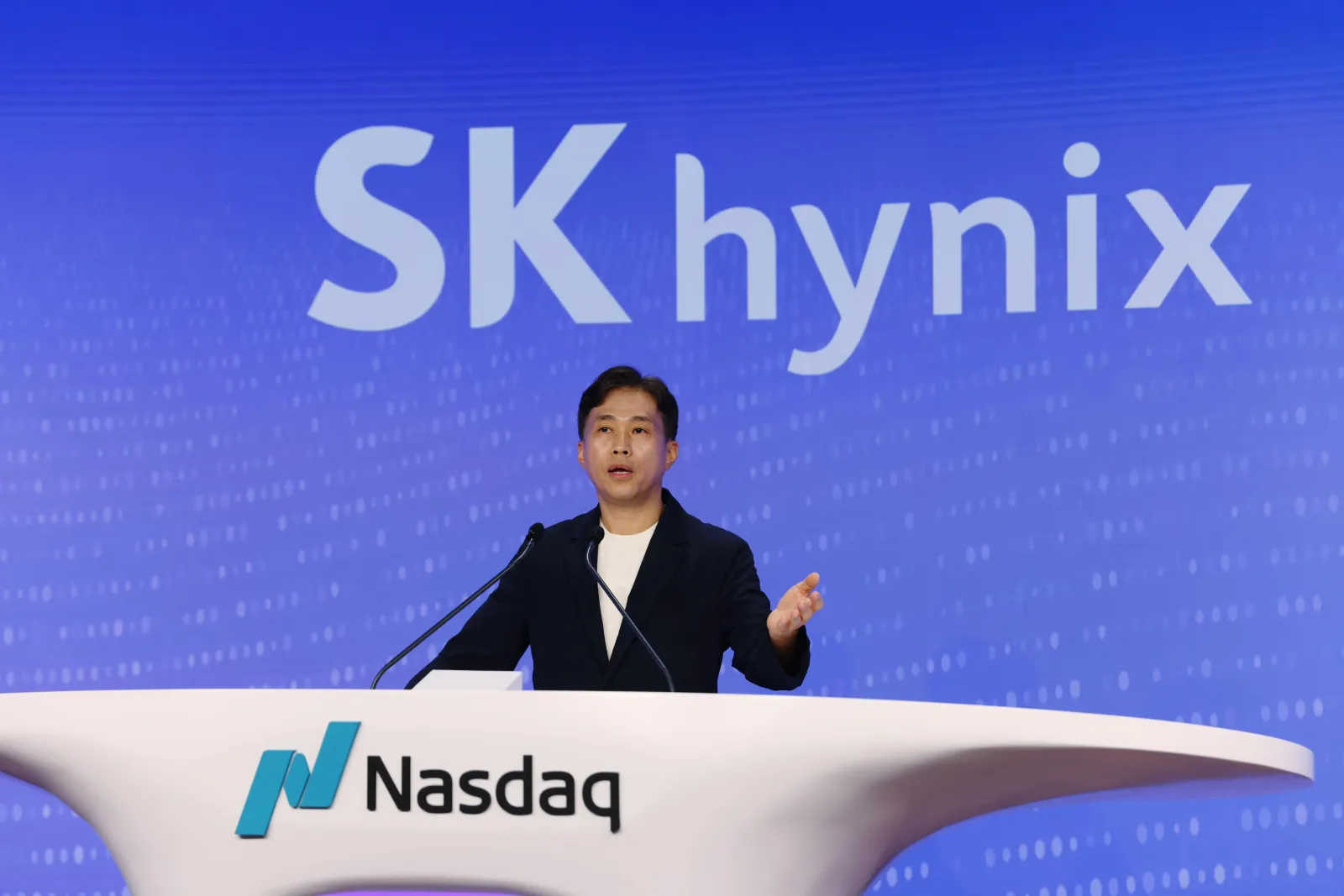
SK Hynix opens at $170, raises $26.5B, and tops foreign IPO records
In Friday's Wall Street debut, SK Hynix turns AI RAM demand into a $26.5B fundraising moment that rewrites comps.
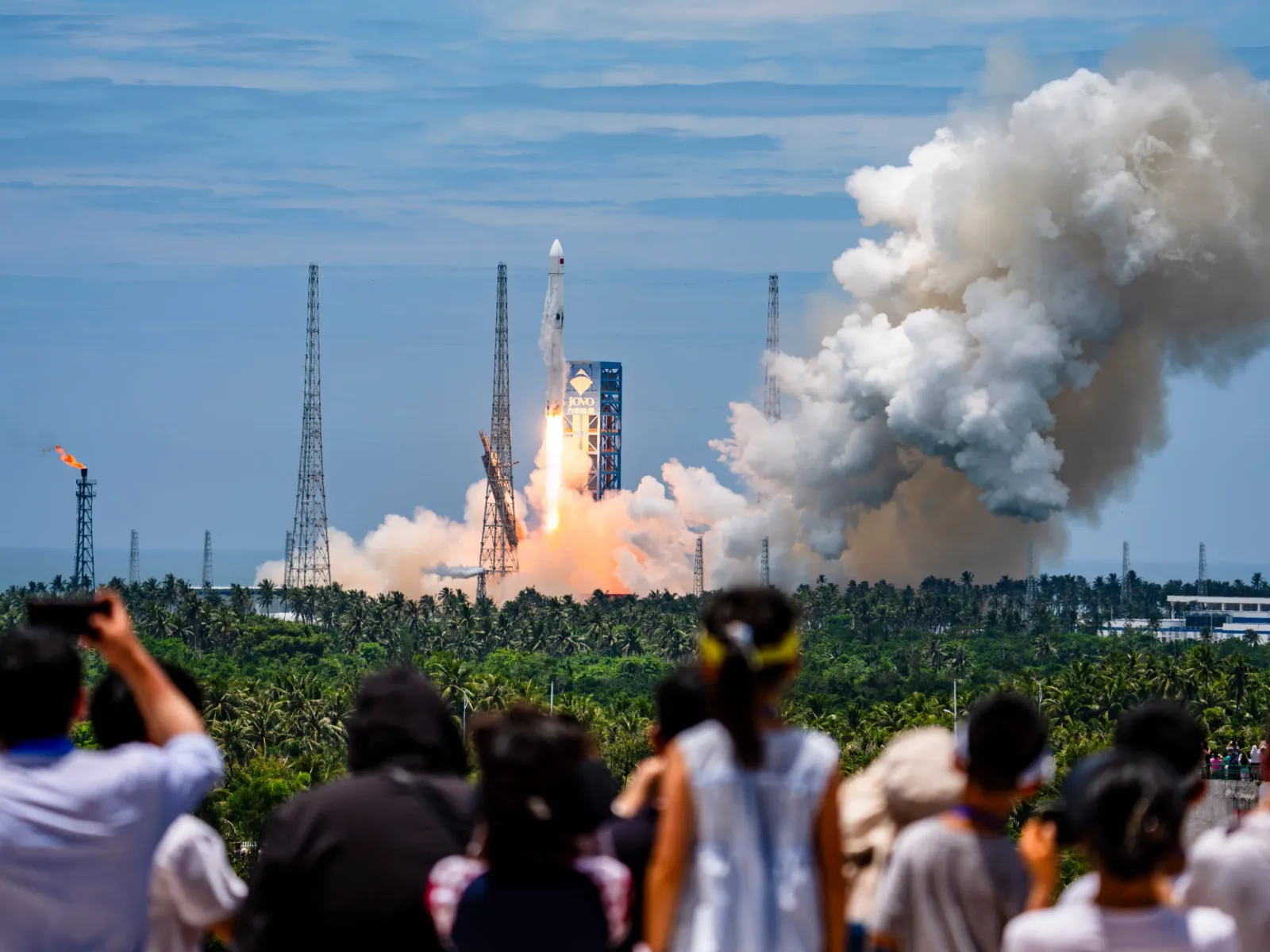
China lands a reusable Long March booster, a first that matches SpaceX and Blue Origin
A barge landing and net-based recovery move China from theory to proof, reshaping the reusability race and satellite ambitions.