
England and Wales face driest July on record, with Met Office pointing to 190-year weather baseline
Met Office data suggest the driest July since records began 190 years ago, tightening pressure on water, farming, and planning budgets.
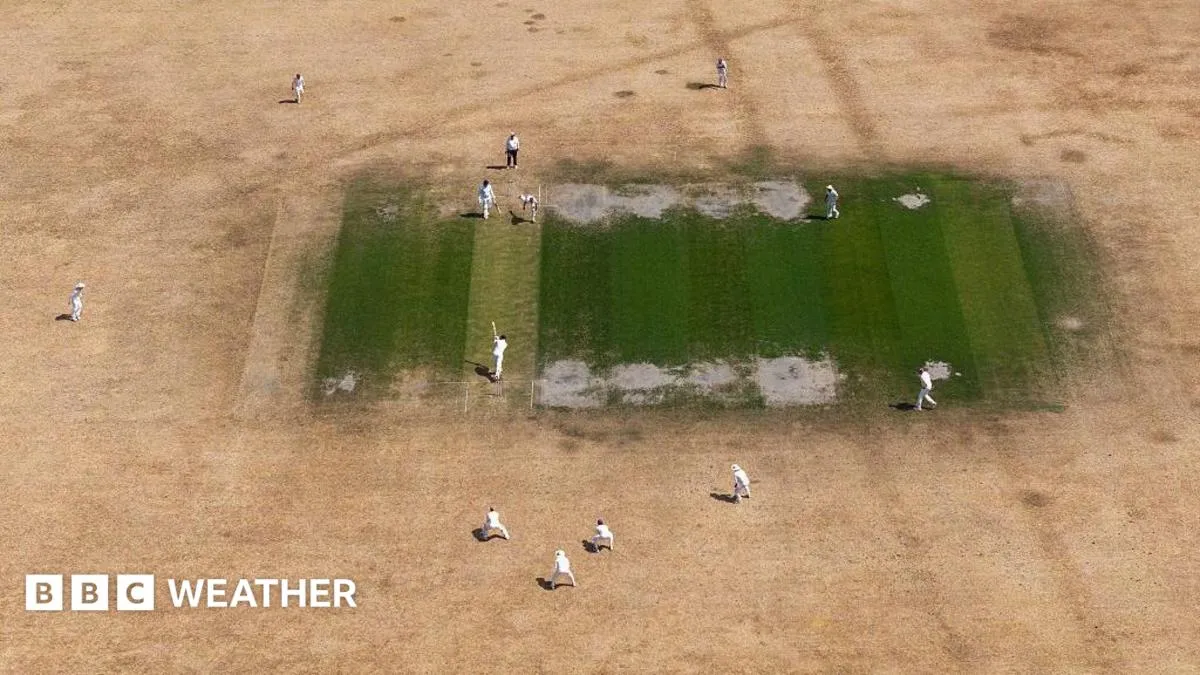
Met Office records indicate England and Wales are likely to have had their driest July since records began 190 years ago. For decision-makers, this raises immediate operational and financial risk across water management, food supply, and infrastructure resilience.
England and Wales are likely heading into what the Met Office records describe as their driest July since records began 190 years ago. That is not a fun trivia fact. It is a systems-level signal: when a region hits an extreme on a time scale of 190 years, the “normal” assumptions that businesses and governments use to plan months and even seasons start to look thin.
The key detail is the time anchor. The forecast is tied to Met Office records and says this July is likely to be the driest since record keeping began 190 years ago. In plain terms, that means you are not just dealing with a slightly unusual dry month. You are dealing with a level of dryness that, historically, has been rare enough to define the top end of the dataset. If you run operations in any environment-dependent sector, the difference between “dry” and “the driest since records began” is where costs spike and contingency plans stop being theoretical.
So what does that mean beyond meteorology? For many organizations in England and Wales, weather extremes are a forcing function that turns risk management into spend. Water availability and demand typically move together in drought conditions, which can tighten supply, influence pricing, and force changes in how facilities operate. Agriculture tends to feel this first and hardest, because crops are tuned to predictable rainfall and soil moisture. But the knock-on effects extend outward. Reduced irrigation options can affect food input costs, logistics schedules, and even contract terms for suppliers who price production risk.
There is also a regulatory and governance layer here. In weather extremes, oversight tends to intensify around water use, abstraction, and environmental protection. Even when the dry spell is not the result of a single corporate decision, regulators often respond by looking harder at compliance, monitoring, and emergency measures. Boards that usually treat these issues as background compliance work may find themselves asking sharper questions: Are we exposed to water constraints? Do our sites have backup plans? Are our vendors also exposed, and do our contracts allocate risk in a way that protects margins when nature does something “once-in-190-years”?
For infrastructure operators and utilities, extreme dryness can shift priorities quickly. Maintenance windows can change, because soil conditions, ground stability, and cooling requirements can all be impacted in drought-like scenarios. For energy users, the relationship is indirect but real. Many systems depend on water for industrial processes or cooling, and in dry periods authorities may impose restrictions or request reductions. Even organizations that do not operate water-intensive processes can be hit through the supply chain, where energy and industrial inputs reflect scarcity or constraint.
The financial stakes are also practical. When an extreme month lands, it can influence year-to-date performance, not just because of direct operational effects, but because of the way costs and revenues move under stress. Insurance discussions, government support programs, and remediation costs often reappear in the months after extreme weather. That timeline matters for executive planning: the “bill” from a driest-on-record July may show up later, not the same week, but it still needs to be accounted for now in how budgets and risk registers are built.
Finally, there is the strategic signaling effect. If England and Wales are likely to experience their driest July since records began 190 years ago, peers across similar geographies will be forced to compare notes, update assumptions, and stress-test operations against higher extremes. Boards and investors tend to focus on what management can control. But in drought and drought-like conditions, the most consequential failures often happen when companies assume the future will look like the past, rather than the worst-case tail that rare events live in.
Met Office records pointing to an historic baseline is the actionable part. It turns a weather report into a risk-management input. If you are running a company with assets in the region, your next questions should revolve around water exposure, supply chain resilience, and whether your contingency plans are built for the “record since 190 years ago” version of reality, not the average summer you wish you would get.
This story's Key Insights and Take-aways are locked.
Create a free account to unlock Executive Actions for one credit.
Register to UnlockAlways free for Executives Club members. Join the Club
More in Science
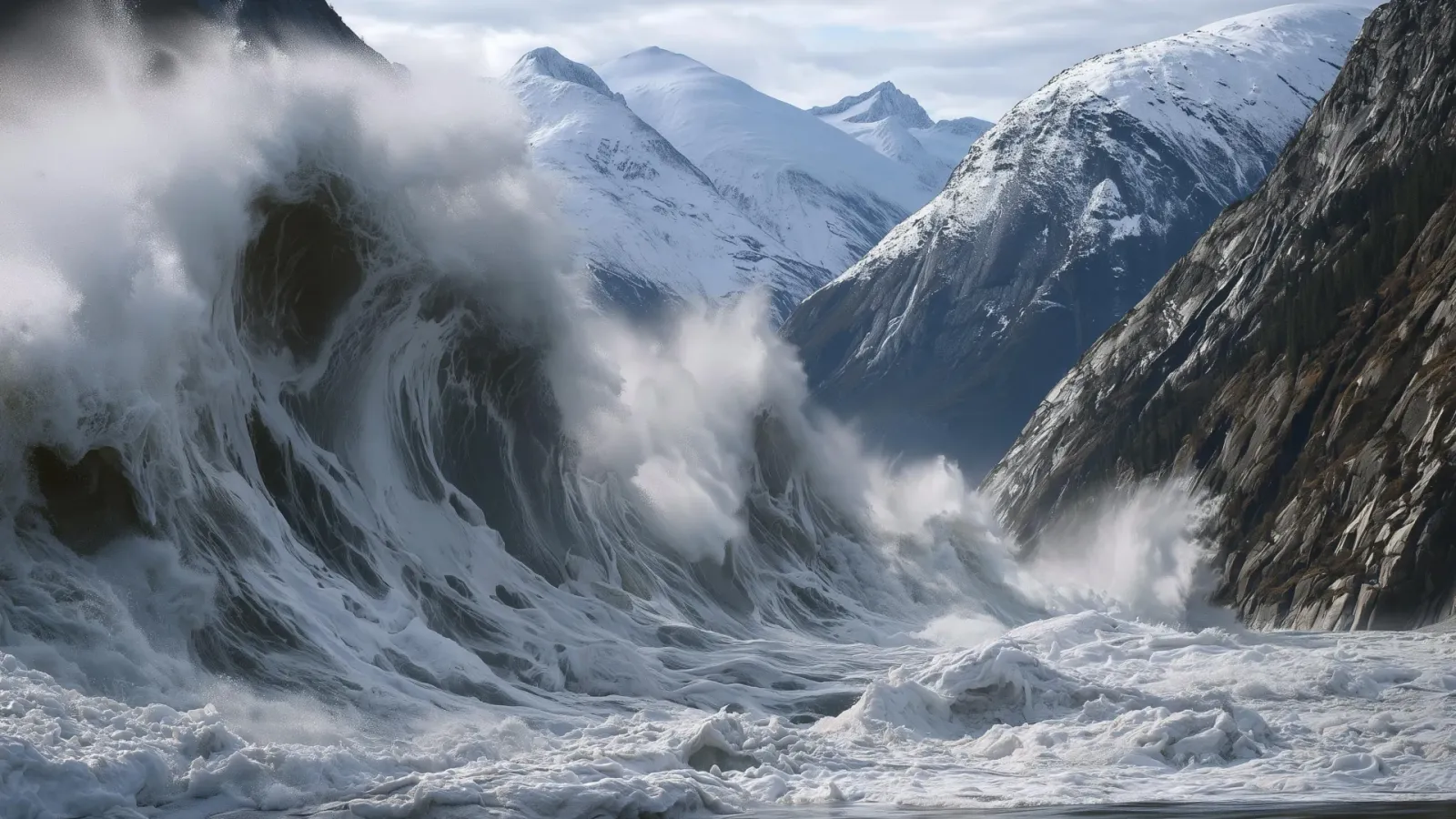
Alaska's 1,580-foot tsunami had warning signs. Scientists just found them.
Rapid glacier retreat, heavy rainfall, and thousands of tiny tremors preceded Alaska's 1,580-foot tsunami, a warning for every coastal community in a warming world.

The rare mutation that lets high-risk brains dodge Alzheimer's
Scientists found a natural defense against protein buildup, opening a new path to preventive treatments.

3,000 steps a day may halve Alzheimer's decline, study finds
New research links a modest daily walk to less tau buildup and nearly half the cognitive and functional decline, even for those with early signs.