

Europe’s record summer heat is colliding with wildfires, hail and tornadoes
Europe’s fastest-warming climate is already reshaping risk, insurance, and regulation, even when no single storm has one cause.
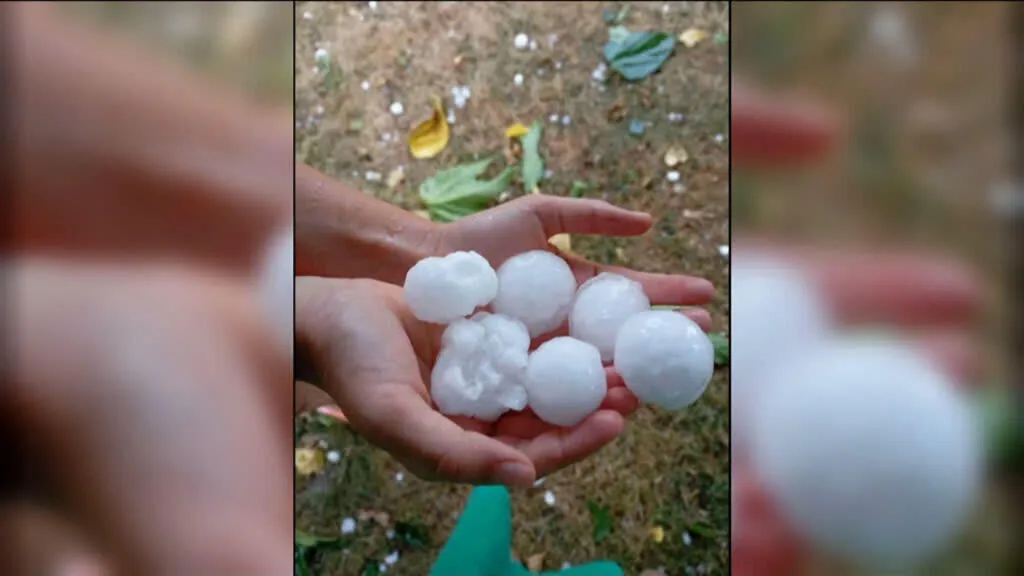
France 24 reports that Europe is the world’s fastest-warming continent, with this summer bringing record-breaking temperatures plus wildfires, hailstorms, and tornadoes. Scientists cited by the report say climate change is not responsible for every extreme event but is making such events more frequent and more intense.
Europe is the world’s fastest-warming continent, and this summer has already delivered the kind of weather pattern that turns boardrooms into crisis rooms: record-breaking temperatures, devastating wildfires, hailstorms, and tornadoes. France 24 frames it as more than “bad weather.” The report points to scientists who say climate change is not responsible for every extreme weather event, but it is pushing those events to become more frequent and more intense.
That distinction matters. If you are a CEO, a risk officer, or a board member trying to allocate capital, the question is not whether every hailstorm or tornado has climate change stamped on it. The operational question is what changes when the baseline shifts. According to the report, the baseline is changing quickly in Europe, and this summer is showing the consequences in high-visibility, disruptive ways.
To understand why this is such a governance issue, it helps to translate the report’s climate language into business language. “More frequent” means more interruptions. Fires and tornadoes do not just damage assets. They disrupt supply chains, pause logistics, force site evacuations, and trigger repairs that arrive late because the broader region is also dealing with the same strain on labor, contractors, and parts. “More intense” means costs can jump nonlinearly. A hailstorm that used to be a one-off nuisance can become an event that affects multiple properties at once, saturates claims capacity, and drives higher deductibles or pricing.
Europe’s warming pace is also a policy accelerant. When climate impacts scale, regulation and reporting typically follow the risk, not the other way around. The story you should take from this France 24 report is that the outlook for the future is increasingly concerning as impacts keep growing. Even if climate change does not explain every individual event, regulators and investors often treat the overall trend as material. In practice, that can mean tighter disclosure expectations around physical risk, more scrutiny of preparedness plans, and greater attention to how companies underwrite their own resilience.
There is also an investor and capital markets angle hiding inside this weather headline. Markets can disagree on attribution for any specific storm, but they usually converge on trend and exposure. If extreme weather becomes more common and more severe, capital allocation decisions shift. Boards may need to revisit insurance coverage limits, review whether key sites and suppliers are concentrated in high-risk geographies, and challenge whether existing contingency plans still match the new frequency and intensity. That can affect everything from capex timing to dividend comfort, because resilience spending competes with other priorities.
The report’s framing also speaks to a common strategic mistake: treating climate resilience as a sustainability slogan instead of an operational reliability program. This summer’s combination of record heat, wildfires, hailstorms, and tornadoes is a reminder that “climate risk” is not one hazard type. It is a portfolio of threats. Heat can stress power grids and labor productivity. Wildfires can threaten air quality, transport routes, and industrial supply. Hail can hit manufacturing throughput and fleet availability. Tornadoes bring direct structural damage and emergency response burdens. Executives who only plan for one scenario tend to get surprised by the next one.
Now add the second-order board dynamic. When events stack quickly, internal debates get sharper. Finance wants predictable budgets. Operations wants flexibility. Risk wants coverage. Sustainability wants decarbonization to reduce long-term drivers. Climate impacts do not force agreement on science attribution, but they often force agreement on preparedness and controls. As France 24 summarizes, the impacts are growing and the future outlook is increasingly concerning. That creates a governance test: can your company keep functioning, keep insuring, and keep meeting obligations while the environment becomes less stable?
For peers in similar roles, the executive takeaway is straightforward, but not easy. You cannot control the weather. But you can control how your organization assumes risk, where you concentrate assets, how you plan for multi-hazard disruption, and how quickly you can respond when extreme conditions hit all at once. Europe’s record summer is not just a headline. It is an early warning that the risk curve is moving, and your board should treat that shift as a strategic issue, not a seasonal one.
This story's Key Insights and Take-aways are locked.
Create a free account to unlock Executive Actions for one credit.
Register to UnlockAlways free for Executives Club members. Join the Club
More in Science

Alaska's 1,580-foot tsunami had warning signs. Scientists just found them.
Rapid glacier retreat, heavy rainfall, and thousands of tiny tremors preceded Alaska's 1,580-foot tsunami, a warning for every coastal community in a warming world.

The rare mutation that lets high-risk brains dodge Alzheimer's
Scientists found a natural defense against protein buildup, opening a new path to preventive treatments.

3,000 steps a day may halve Alzheimer's decline, study finds
New research links a modest daily walk to less tau buildup and nearly half the cognitive and functional decline, even for those with early signs.