
Europe starts rearming and reordering itself as it drifts from America
Foreign Affairs argues the continent is shifting priorities. Here’s what that means for capital, supply chains, and policy risk.
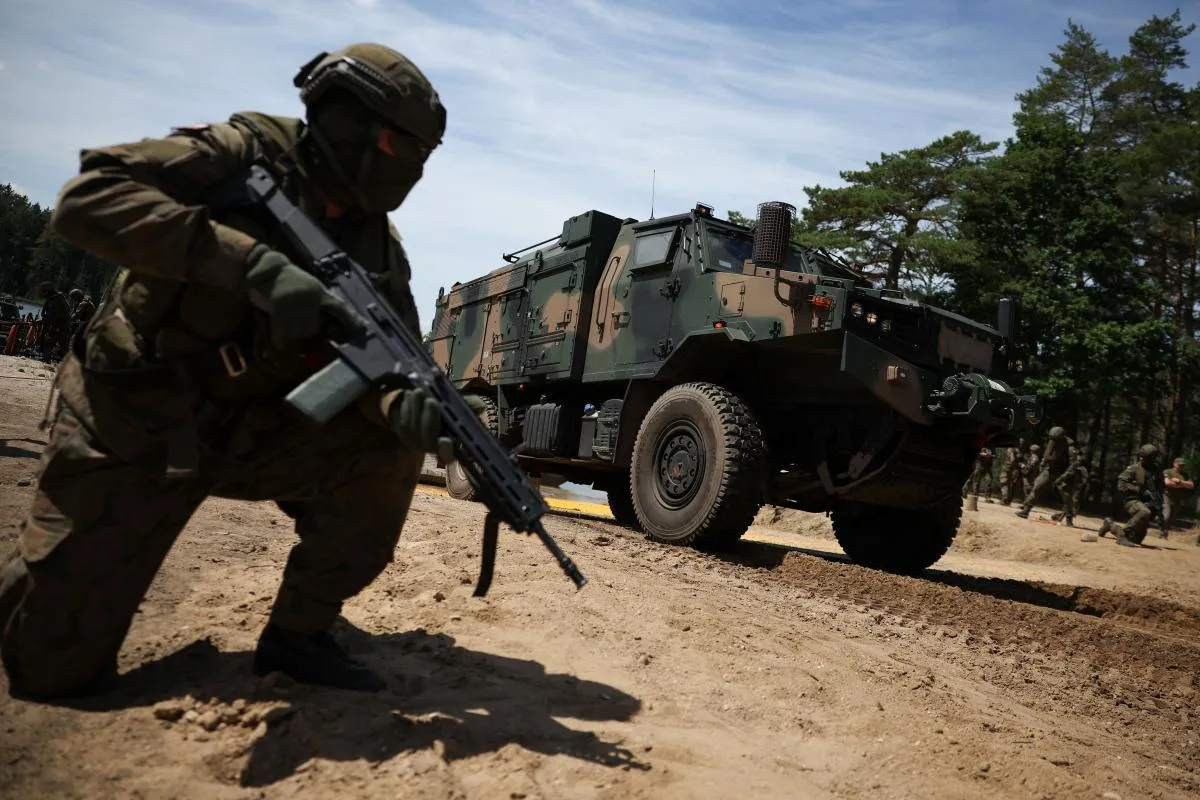
Foreign Affairs frames Europe’s strategic pivot as rearming and reordering itself while drifting from America. For decision-makers, the consequence is a higher-security, higher-policy-friction operating environment that will reshape budgets and trade-offs.
Europe’s strategic drift is not subtle. In the framing from Foreign Affairs, the continent is moving away from America and toward a more self-directed posture, driven by rearming and reordering itself. This is not just a military headline. It is a signal that Europe is recalculating what it needs to protect, what it will pay for, and how it will organize decision-making across governments and industries.
The core idea is straightforward and consequential: Europe is rearming and reordering itself as it drifts from America. That combination matters because rearmament forces new spending choices, new procurement relationships, and new timelines. “Reordering,” meanwhile, implies more than budgets. It points to structural changes in how Europe coordinates policy, how it treats dependencies, and how quickly it can align political will with industrial capacity. Put plainly, this is Europe deciding it cannot assume the old risk model holds.
To understand why this lands in the executive inbox, you have to translate strategy into incentives. When political leaders treat defense readiness as urgent, the pressure cascades through ministries, state-backed industrial champions, and regulators. Companies that previously planned around “normal” procurement cycles suddenly face faster contracting, different compliance expectations, and shifting procurement priorities. That can create opportunities for the prepared. It can also create landmines for firms whose supply chains, certifications, or data-handling practices were optimized for a calmer world.
There is also the capital market angle. Defense and security spending often acts like a spending floor during uncertainty because it is tied to national security rationales rather than discretionary business cycles. But the trade-off is real. Money pulled toward defense can tighten budgets elsewhere, meaning economic policy becomes more explicitly constrained by security objectives. For boards, that raises governance questions: which programs are treated as strategic rather than optional, who decides trade-offs, and how risks are managed when governments want both rapid capability and domestic industrial participation.
“Reordering” tends to reach beyond procurement and into the regulatory scaffolding that makes certain activities easier and others harder. Defense and security policy typically bring with it tighter scrutiny of cross-border transfers, security of supply, and technology access. Even when the headline is about weapons and readiness, the second-order effects show up in rules around industrial base protection, licensing, contracting frameworks, and export-adjacent compliance. That changes cost structures, timelines, and partnering strategies. It can also increase the premium on local manufacturing, trusted vendors, and near-term resilience.
Meanwhile, Europe’s drift from America changes the negotiation environment. Historically, alignment with a powerful ally can reduce the perceived need for duplicate capability. If the assumption of reliable external support weakens, decision-makers will fill gaps, sometimes quickly and sometimes awkwardly. That “awkwardly” part is where executives should pay attention. Fast shifts can produce overlapping efforts, procurement coordination issues, or capability gaps if bureaucracies and industries do not move in sync. The upside is adaptability. The downside is duplication and friction.
For investors and operators, the strategic stakes are about volatility in policy and demand. When a region reorders itself, it tends to reprice risk. Counterparty risk can rise if procurement becomes more political or fragmented. Supply chain risk can intensify if governments push for domestic substitution. On the flip side, demand visibility for certain categories can improve if defense and security spending becomes more durable and less subject to annual budget volatility. The key is to watch not just what is being built, but what is being prioritized, and which procurement and regulatory pathways are being accelerated.
Foreign Affairs’ framing suggests Europe’s pivot is a continuing process, not a one-time announcement. As Europe rearm s and reorders itself, it will likely keep moving toward a model where security objectives shape industrial policy and economic trade-offs. That is the moment other executives need to internalize: the direction of travel is set. The question is how quickly your sector, vendors, and compliance posture can align with a Europe that is building more control over its own security future, even as it grows less anchored to American assumptions.
This story's Key Insights and Take-aways are locked.
Create a free account to unlock Executive Actions for one credit.
Register to UnlockAlways free for Executives Club members. Join the Club
More in Politics

Obama Defends Ilhan Omar After Agents Search Her Home in Trump Inquiry
The former president's intervention raises the stakes in a federal probe into immigration paperwork that has put a prominent progressive lawmaker in the crosshairs.

Blair-era minister: cut welfare to fund youth job support
Alan Milburn's call for welfare cuts to fund employment support opens a Labour fight over benefits and the Neet crisis.
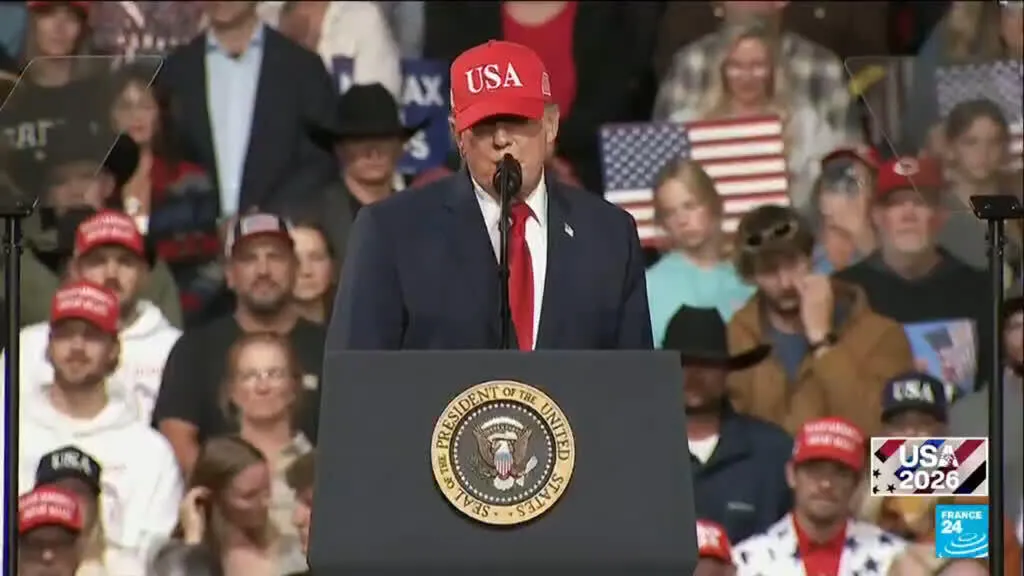
Hot September CPI: energy costs surge, voters feel the squeeze before midterms
The latest inflation print lands as Trump campaigns for GOP control of Congress, putting cost-of-living worries at the center of the midterm fight.