

House again forces Iran war powers vote after Republicans join Democrats a second time
Second rebuke repeats the same pattern: a cross-party bloc demands authorization, raising new friction for the president.
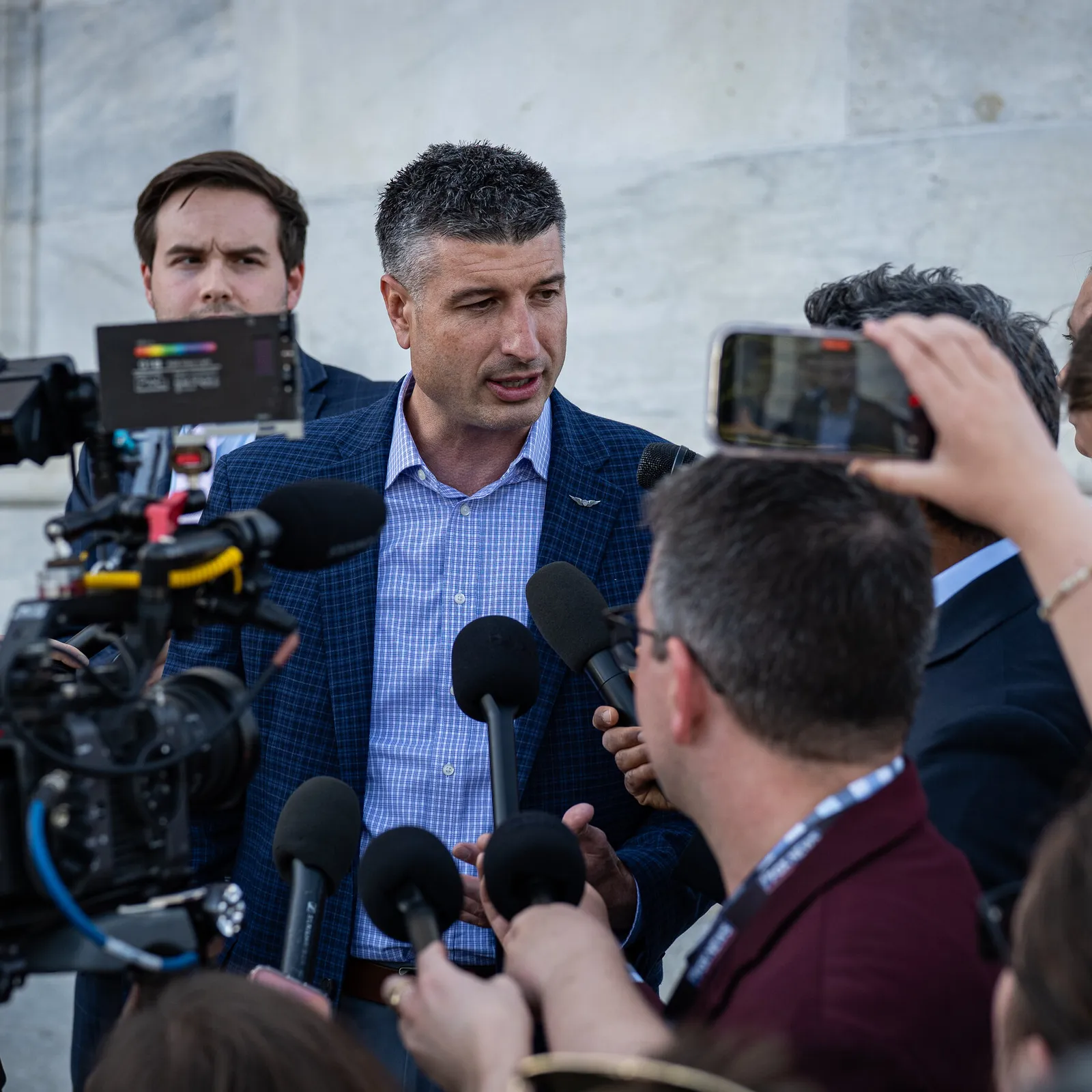
The House again rebuked Trump on Iran war powers by voting for a measure that calls on the president to seek authorization for the conflict, with a few Republicans joining Democrats. The repeat vote signals the legislative branch is not letting the president move unilaterally on war powers.
For the second time, a few Republicans joined Democrats to back a House measure calling on the president to seek authorization for the Iran conflict. That repetition matters. It is not a one-off political flare. It is lawmakers putting a marker down again, and it creates a pattern the White House has to contend with, not just a single procedural hiccup.
In practical terms, this is a war powers test. The measure does not magically change what happens on the ground, but it changes the political and legal atmosphere around the president's next steps. By backing legislation that urges the president to seek authorization, the House is pressing for a formal green light rather than continued action without it. And since this is the second time that a cross-party handful has supported the demand, the message to the executive branch is getting sharper: the coalition is real enough to repeat.
If you are an executive or investor thinking in terms of risk, this is a reminder that national security policy often behaves like markets do. The first move sets expectations. The second move confirms them. When lawmakers revisit the same framework, it can translate into longer negotiation timelines, more public scrutiny, and more uncertainty for any operations that touch defense contracting, shipping, energy supply chains, insurance markets, and compliance planning. Even without new numbers in the reporting, the direction is clear. The House is again asking for authorization to be part of the next phase.
War powers framing is its own language game in Washington. The underlying tension is whether the president can act first and seek authorization later, or whether Congress must be involved upfront. The House measure, supported here by Democrats and a few Republicans, lands firmly in the authorization-first camp. The second “again” from the original reporting tells you something about the legislative dynamics. A small group of Republicans is willing to align with Democrats even after an earlier similar move. That suggests the calculus is not purely symbolic. It is an attempt to force the executive branch into a more traditional separation-of-powers posture.
There is also a procedural layer. A vote is a vote, but the coalitions behind it are the signal. When a few Republicans cross over, it can widen the president's political exposure. It also makes it harder for the administration to dismiss the effort as partisan theater. For decision-makers inside the executive branch, that can mean less room to treat the measure as a one-party talking point. It also means legislative staff and counsel have another deadline to prepare for, another set of negotiations to run, and another set of stakeholders to brief.
Zoom out and you get the second-order implication that executives feel even if they are not in Washington: political friction is operational friction. In industries tied to international conflict risk, the cost shows up in procurement timing, contract risk assessment, export controls, sanctions compliance, and contingency planning for personnel and logistics. Compliance teams do not need battlefield details to know that uncertainty drives workload. Legal reviews expand. Risk registers get updated. Treasury teams start stress-testing scenarios. Boards ask management how prepared they are for regulatory and geopolitical volatility.
The House vote also has messaging value beyond the immediate authorization question. When Congress repeatedly insists on authorization, it can shape how insurers, lenders, and counterparties price risk. Even when the legislative action is not instantly operational, it can influence market narratives about the durability of policy. For companies with international exposure, those narratives can be as consequential as the formal policy text, because they affect partner behavior and financing conditions.
So while the reporting is succinct, the strategic stakes are not. A second rebuke, with the same kind of bipartisan support, signals that the legislative branch is not satisfied with a status quo where action proceeds without Congress clearly taking responsibility. For executives and boards, the takeaway is not to predict outcomes. It is to recognize the environment is becoming more structured, more contested, and more likely to generate follow-on political and regulatory steps. The executive branch is being pushed, again, toward seeking authorization. In Washington, repetition is pressure, and pressure has a way of turning into paperwork, timelines, and compliance work.
This story's Key Insights and Take-aways are locked.
Create a free account to unlock Executive Actions for one credit.
Register to UnlockAlways free for Executives Club members. Join the Club
More in Politics
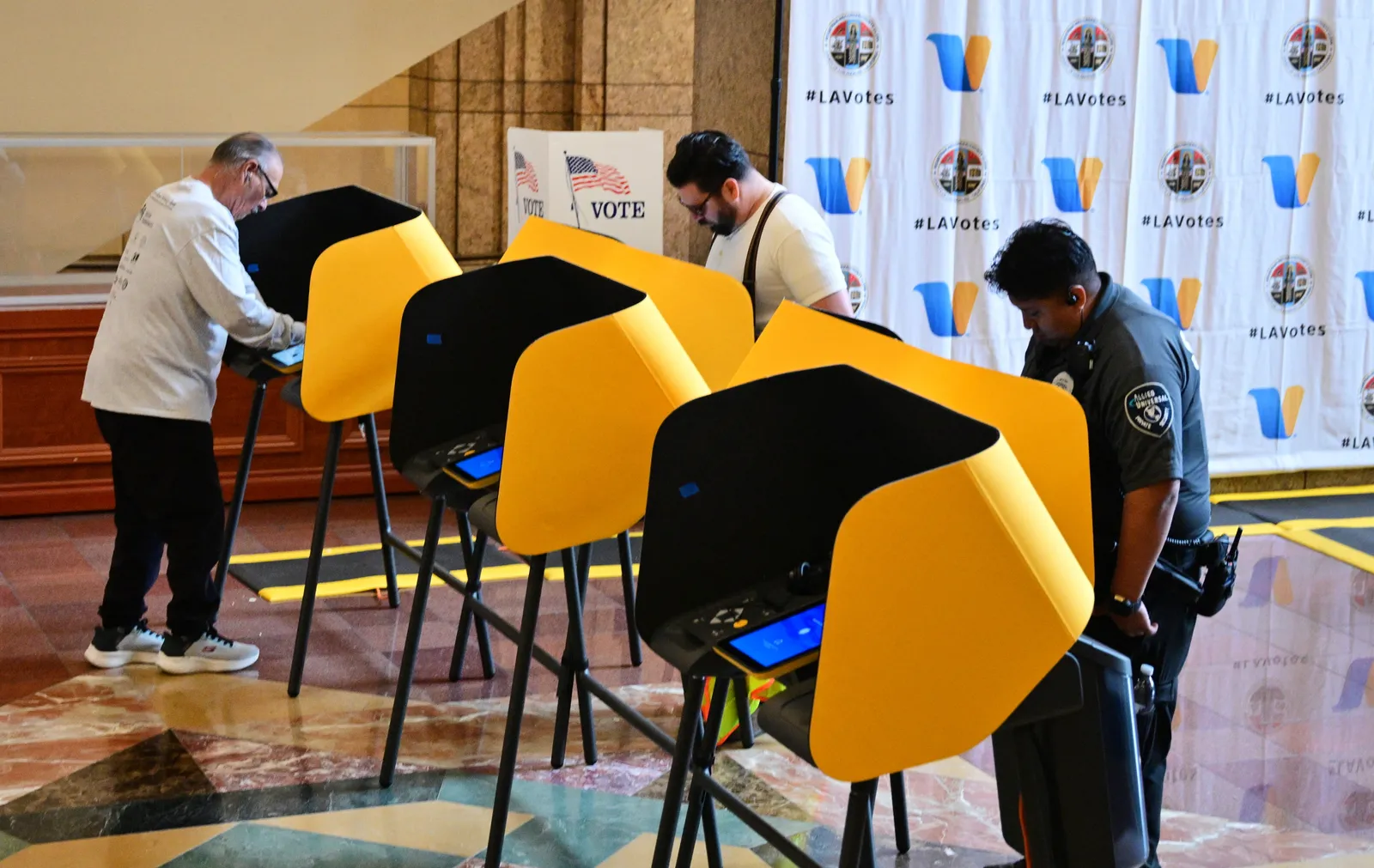
LA County: DOJ's 20,000 'noncitizen' voter list is 'unreliable,' includes U.S.-born
Preliminary review by Los Angeles County election officials finds errors in the federal list, raising the stakes for voter roll integrity ahead of November.
Trump's $1.5B Pentagon chip investment lands in North Carolina
A $1.5 billion defense infusion for North Carolina chipmaking signals a new era of Pentagon-backed reshoring - here's what it means for the industry.

Nigeria confirms first Ebola case in Abuja, a woman just off a Uganda flight
Health Minister Muhammad Ali Pate says the patient flew in from Uganda, putting Africa's latest outbreak on Nigeria's doorstep.