

Burnham backs 20% cut to English pub business rates, not hotels or restaurants
From next April, some hospitality firms get a discount but hotels and restaurants are left out of the 20% break.
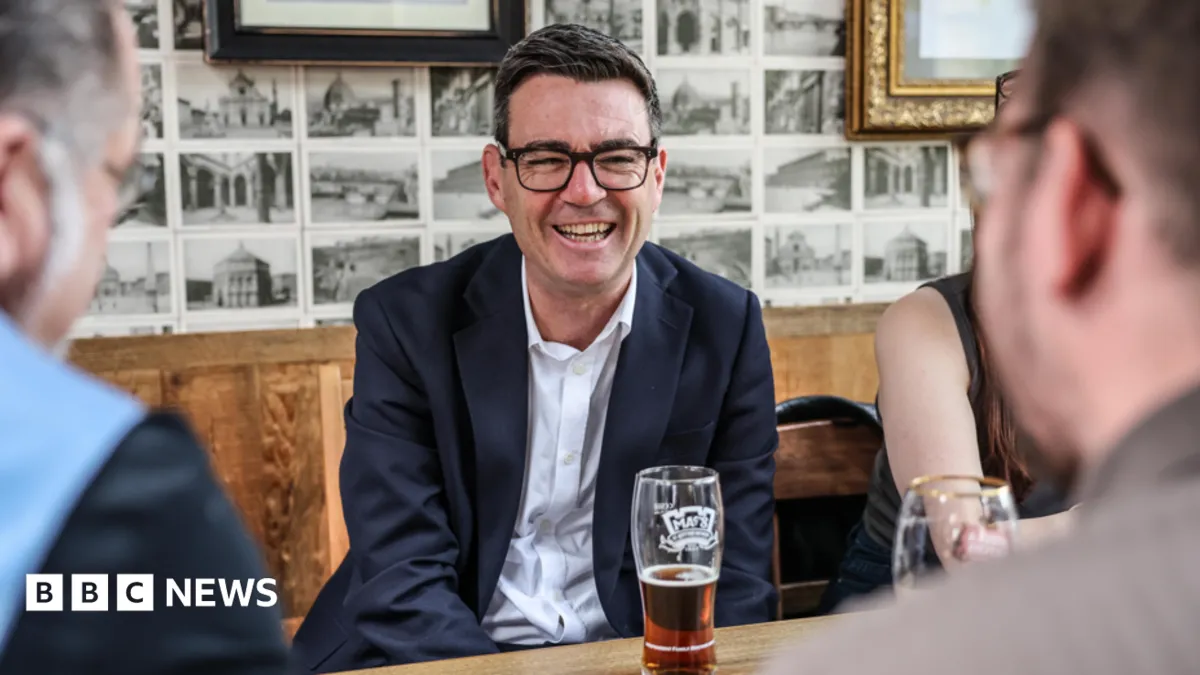
Burnham says a 20% cut to English pubs' business rates should start from next April. The decision creates a split in support across hospitality, forcing boards to rework forecasts and pricing assumptions by segment.
Burnham is backing a 20% cut in business rates for English pubs, set to arrive from next April. It is framed as “a first step,” and the boundaries matter: the discount is for some hospitality firms, but hotels and restaurants will not get a cut.
That division is the whole story for operators and investors. A pub-focused rate relief can lower fixed costs and improve cash flow, but the absence of similar help for hotels and restaurants means the sector will not move together. If you run a pub estate, your planning math changes. If you operate a hotel group or a restaurant brand, your base-case cost burden stays put, even as the calendar turns to next April.
To understand why this matters, you need to know what business rates do in the UK. Business rates are a recurring tax on non-domestic properties, and they behave like a powerful rent-like fixed cost. Even small percentage changes can ripple through budgets because they typically do not require demand growth to show up. When policymakers adjust them, boards quickly ask a basic question: does this reduce the pressure on margins enough to offset other headwinds, and does it change how competitive the landscape looks versus neighbors that do not get the relief?
This is where the “some hospitality firms” line becomes more than a footnote. Hospitality is not one market with one cost structure. Pubs, hotels, and restaurants can all face different operating models, different labor needs, and different customer patterns. But they still share one uncomfortable reality: many of their costs are sticky in the short term. Energy, staffing, maintenance, and compliance do not wait for macro data to improve. A rate cut helps primarily by reducing one of those fixed pressures, and that can create a measurable advantage for the businesses included.
For boards, the next April timing is another lever. Revenue cycles in hospitality are seasonal and often influenced by booking patterns, event calendars, and consumer confidence. Business rate relief starting next April gives operators a concrete runway to update budgets, renegotiate leases where possible, and revisit pricing or refurbishment plans. For hotels and restaurants, the message is almost the opposite: even as pubs get a discount, the cost baseline does not reset for them. That can matter for investment decisions that require predictable returns, especially for chains that rely on steady occupancy or repeat customer behavior.
There is also a strategic competition angle. If pubs experience lower overhead, they may be able to defend price points, invest in promotions, or absorb short-term shocks that would otherwise squeeze margins. Hotels and restaurants will not necessarily mirror those moves, because they are not receiving the same business rates cut. That can shift relative bargaining power in local markets. Even if customers choose based on convenience and brand, the economic pressure on pricing often shows up in the menu, the promotions calendar, and the perceived value proposition.
From a policy and regulatory perspective, the “first step” framing signals incrementalism. Business rates relief is often politically and administratively complex, because it intersects with property valuations, local funding, and broader fiscal priorities. A targeted cut to English pubs suggests the government is trying to address a pressure point in a specific slice of the hospitality ecosystem, rather than offering across-the-board relief for every category. For executives, the second-order implication is straightforward: do not assume today’s relief will automatically generalize tomorrow, and do not model it as a sector-wide tailwind unless you have explicit coverage.
If you are a CEO, CFO, or board lead watching this, the stakes are practical. The decision changes the cost outlook for pubs starting next April, while leaving hotels and restaurants unchanged on rates. That means portfolio-wide budgeting must be segment-aware. It also means scenario planning should reflect divergence across hospitality categories, not a single uniform macro story. In a world where margins are already under pressure, differentiation in regulatory support can be just as important as differentiation in product.
This story's Key Insights and Take-aways are locked.
Create a free account to unlock Executive Actions for one credit.
Register to UnlockAlways free for Executives Club members. Join the Club
More in Politics

LA County: DOJ's 20,000 'noncitizen' voter list is 'unreliable,' includes U.S.-born
Preliminary review by Los Angeles County election officials finds errors in the federal list, raising the stakes for voter roll integrity ahead of November.

Trump's $1.5B Pentagon chip investment lands in North Carolina
A $1.5 billion defense infusion for North Carolina chipmaking signals a new era of Pentagon-backed reshoring - here's what it means for the industry.

Nigeria confirms first Ebola case in Abuja, a woman just off a Uganda flight
Health Minister Muhammad Ali Pate says the patient flew in from Uganda, putting Africa's latest outbreak on Nigeria's doorstep.