
Evan Spiegel launches Snap's $2,195 AR glasses for the mass market
Snap moves its first AR glasses from developers to everyday users, turning a long-studied bet into a retail experiment.

Snap CEO Evan Spiegel is launching the company’s first AR glasses with a price of $2,195 and a focus on the broader public instead of developers. The move forces decision-makers to rethink who AR devices are really for, and what “early adoption” looks like when mainstream buyers are the test.
Snap is launching its first AR glasses, and this time it is not aimed at developers or the usual tech in-the-wild crowd. CEO Evan Spiegel is betting on a post-smartphone future by pushing the product toward the broader public. The glasses will retail for $2,195, a number that instantly frames the stakes: this is not a curiosity you throw on like a headset. It is a serious bet that enough people will tolerate a new kind of wearable to make the category real.
Why does this matter right now? Because most “AR to the masses” stories die in the gap between demos and daily use. Snap is trying to cross that gap immediately by designing its first glasses for everyday consumers rather than developers who can tolerate rough edges, customize workflows, and build around incomplete tools. Pricing at $2,195 signals intent to learn fast in a high-signal environment. You do not charge that much unless you expect the buyer to take the experience seriously.
To understand the significance, it helps to remember how AR has typically gone. In earlier waves, hardware makers often started with developer programs, relying on early technical users to build the software layer and generate momentum. That model reduces risk for the hardware side, because developer audiences forgive more and iterate faster. Moving to a broader public audience changes the pressure profile. Now Snap has to deliver something that stands on its own, not just something that helps others build.
Snap’s incentive structure is also different than pure hardware plays. Snap is a company known for its camera-first social ecosystem, not for manufacturing wearables. That means the glasses are not just “a device.” They are a distribution channel and an engagement surface that, if it works, could reshape how users capture, view, and share content. But to make that happen, the glasses need enough reliability and enough day-to-day utility that people keep them on long enough for habits to form. A developer can test a new capability. A consumer has to live with it.
There is also a regulatory reality that executives often underestimate when they talk about consumer AR. Wearables with cameras and sensors create privacy questions that do not go away at scale. In practice, companies can face scrutiny over how data is collected, how it is stored or processed, and what users can infer about device behavior. Even without getting into jurisdiction-specific details here, the broader point is simple: as soon as AR moves from enthusiasts to mainstream buyers, expectations rise. Consumer adoption will depend not only on tech performance, but on trust.
For the board and leadership teams of any company building in AR, this launch is a live case study in risk management. Snap is paying up with a high price point and asking for mainstream attention on day one. That suggests confidence that the core user value is clear enough to justify the learning curve, even if the category is still immature. It also suggests Snap wants to compress the timeline for feedback. When you move to a broader public audience, you are effectively running a live-market experiment, not a limited program.
The second-order implications are hard to ignore. Other companies watching Snap will have to decide whether to follow the same path, whether to keep focusing on developer-led adoption longer, or whether to compete on price and entry barriers instead. If mainstream users show meaningful willingness to buy, it strengthens the argument that AR can graduate beyond niche communities sooner than many roadmaps assumed. If adoption lags, it becomes evidence that the experience, the ecosystem, or both still need time to mature.
Snap is making its first AR glasses a public-facing product, not a developer-only platform. With Evan Spiegel leading the charge and a $2,195 price tag, Snap is turning a long-predicted future into something testable in the real world. For executives across consumer tech and hardware adjacent ecosystems, the question is no longer whether AR is possible. It is whether AR can earn mass credibility when it is judged by normal people, in normal routines, under normal privacy expectations.
This story's Key Insights and Take-aways are locked.
Create a free account to unlock Executive Actions for one credit.
Register to UnlockAlways free for Executives Club members. Join the Club
More in Technology

Nvidia's $89B data center quarter: the 9 companies cashing in
The AI buildout is minting fortunes beyond GPUs, and memory, cloud, and cooling suppliers are riding the same wave.
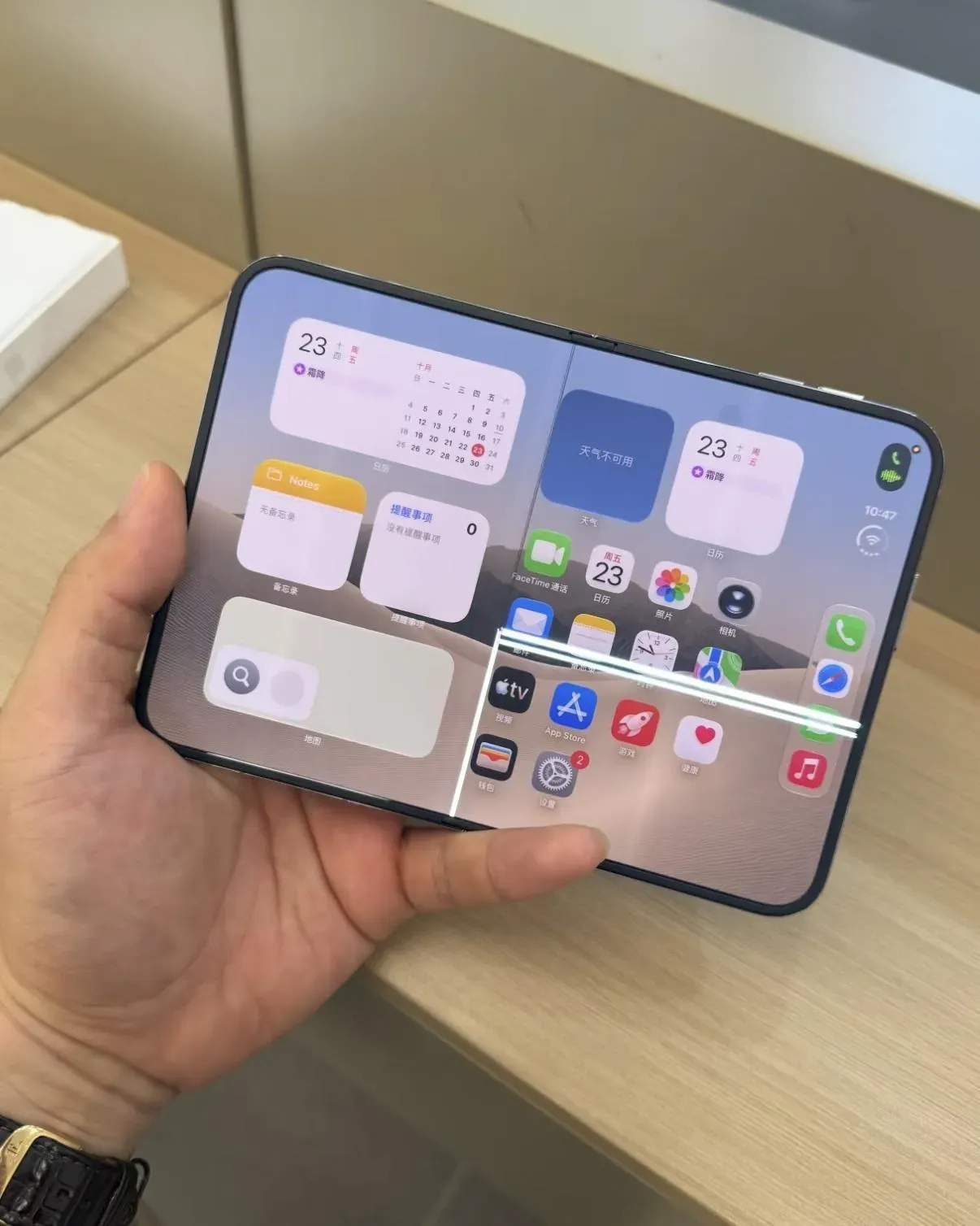
A YouTuber dissected the iPhone Duo and thinks he found crackgate's cause
CuriousHagi's teardown of Apple's foldable reveals a gear-like hinge that may explain why screens crack in the same spot within hours.

Google quietly links your phone number to every Android account on your SIM
Adding a SIM now ties your phone number to all Google accounts - and future accounts inherit it. Here's the security and privacy stakes.