

FAA clears SpaceX to fly Starship again after May booster failure
The regulator restart signals confidence in SpaceX's “fly, fail, fix” model as a public-company test begins.
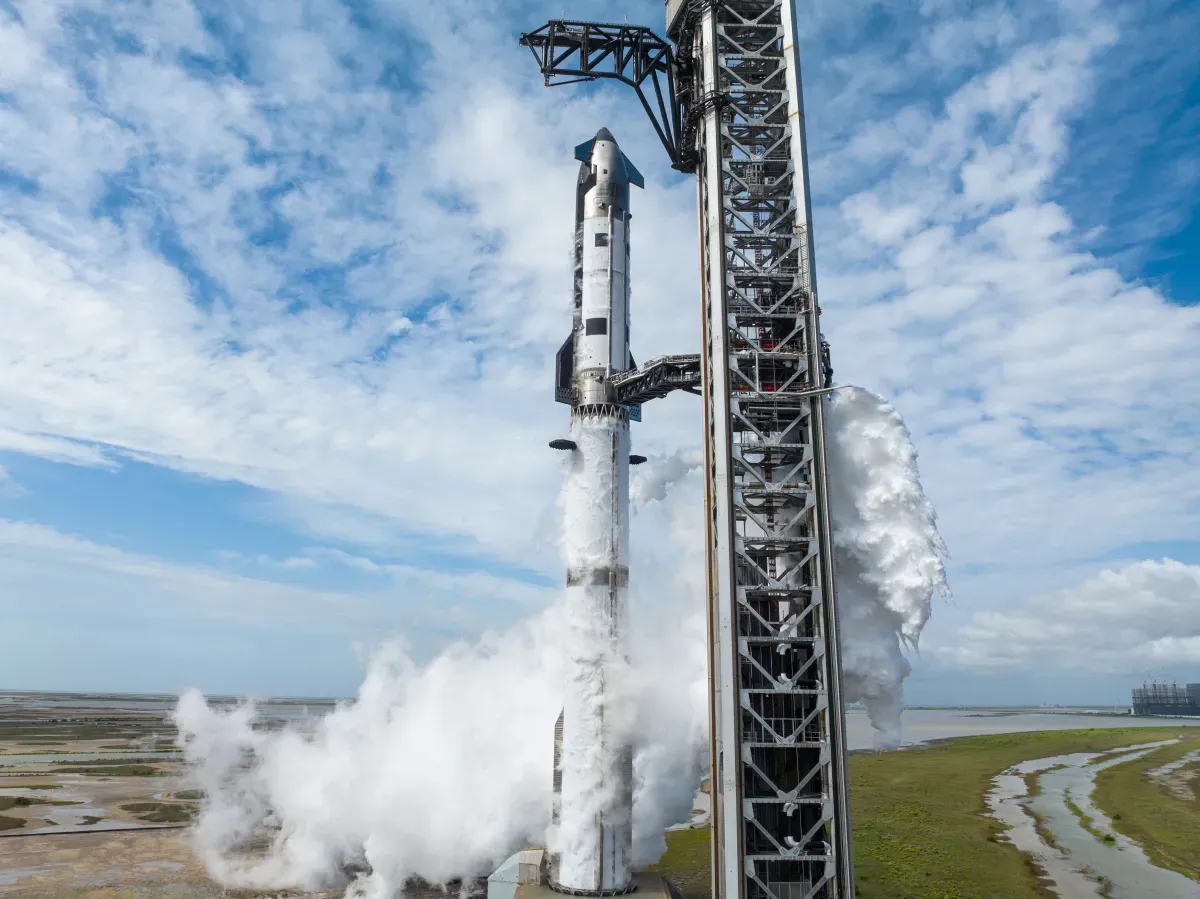
SpaceX has been cleared by the FAA to fly Starship again after a booster failure in May. For decision-makers, the move gauges whether markets will fund rocket iteration that often looks like spectacular fireballs.
SpaceX is back in the launch queue for Starship. After a booster failure in May, the FAA has cleared the company to fly again, meaning the upcoming attempt will not just be another engineering milestone. It will be the first Starship test flight for SpaceX as a public company.
That context matters. Being public changes the job description: the company still needs to iterate quickly, but it also needs to satisfy shareholders, auditors, and the market’s instinct for risk. SpaceX’s development philosophy is already well known: “fly, fail, fix.” It is not a tagline for comfort. It is a system for learning, and learning in rocketry is frequently messy, sometimes literally fiery.
The FAA’s decision is a signal, even if it is not a victory lap. Rocket regulation is built around safety boundaries, not outcomes like “success” or “failure.” When regulators clear another attempt after a mishap, they are effectively saying the company has addressed the concerns raised by the prior incident and has a pathway to operate again within the framework. In other words, the board can keep pushing the technical flywheel without needing to pause indefinitely for a re-approval process that never ends.
For executives and investors watching from the sidelines, this is where the real pressure lives. The market’s appetite is the silent third party in every “fly, fail, fix” story. As a public company, SpaceX will face a different level of scrutiny than it did in private, because each launch is both a technical event and a financial narrative event. A failure can be framed as data and learning, but markets also price uncertainty, and uncertainty can quickly become a valuation question. When the FAA clears Starship after a May booster failure, it reduces one category of uncertainty, even if it cannot erase the physics.
This also lands inside a familiar industry pattern. Many of the biggest rocket gains historically have come from iteration loops that start with failures. That is partly because the systems involved are too complex to model perfectly before hardware meets the real world. But the public-company layer changes the stakes. It forces leaders to translate iteration into confidence: confidence in process, in engineering discipline, and in how quickly problems can be isolated and corrected.
There is another angle board members should care about: operational cadence. Rocket development is not just about what you can build. It is about how often you can test, how fast you can reconfigure, and how smoothly you can transition from an incident back to flight operations. Regulatory clearance is one gate; engineering readiness is another. The fact that SpaceX has been cleared again implies that, at least in the eyes of the FAA, the gap between “something went wrong” and “we can safely attempt again” has narrowed rather than widened.
Second-order implications follow naturally. If Starship is able to keep moving through the iteration cycle, it strengthens SpaceX’s ability to attract and retain talent and partnerships that depend on momentum. It also changes expectations for competitors and contractors who build their strategies around launch schedules and technology timelines. Even companies that are not directly involved in Starship can feel the ripple, because rocket progress affects downstream planning for satellites, rideshare customers, and national and commercial space programs.
And for decision-makers in any high-velocity, high-risk sector, the underlying lesson is simple and uncomfortable: iteration requires permission, and permission is not guaranteed. This FAA clearance after a May booster failure is permission to continue learning in public, with capital markets watching. SpaceX will still have to prove that the data from each test can be turned into improvements that survive the next launch attempt. But the cleared-to-fly step reduces friction at precisely the moment when the company’s public-company identity will amplify every outcome.
So the stake is not only whether Starship flies. It is whether the combined system of regulators, markets, and engineering can tolerate the original “fly, fail, fix” philosophy without freezing it in place. Today’s clearance suggests the FAA will not keep the development locked in limbo, and the rest of the world will quickly find out whether the market is willing to fund the ride.
This story's Key Insights and Take-aways are locked.
Create a free account to unlock Executive Actions for one credit.
Register to UnlockAlways free for Executives Club members. Join the Club
More in Business
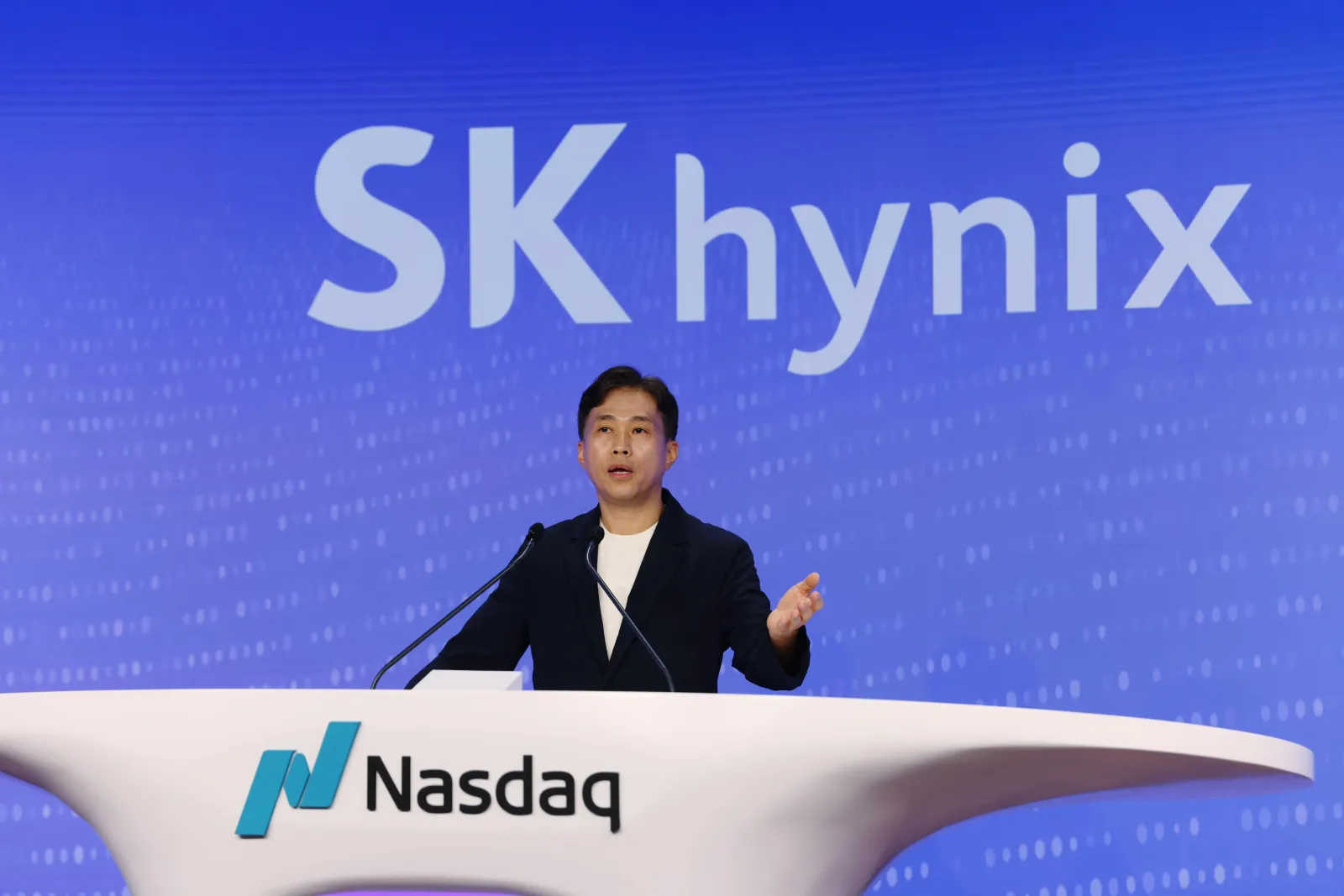
SK Hynix opens at $170, raises $26.5B, and tops foreign IPO records
In Friday's Wall Street debut, SK Hynix turns AI RAM demand into a $26.5B fundraising moment that rewrites comps.
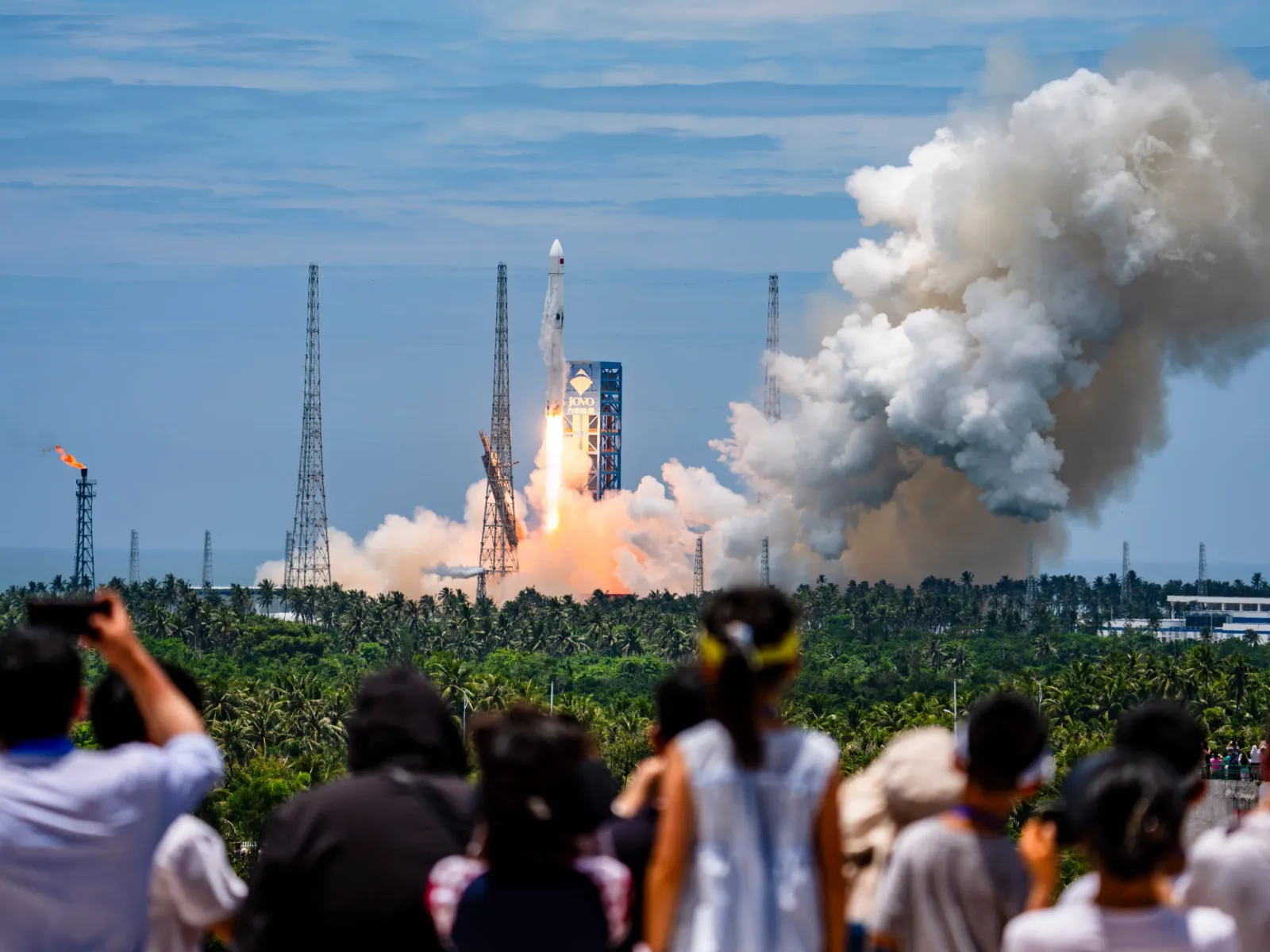
China lands a reusable Long March booster, a first that matches SpaceX and Blue Origin
A barge landing and net-based recovery move China from theory to proof, reshaping the reusability race and satellite ambitions.

AstraZeneca $27B wipeout as Wainua late trial misses cardiovascular target
A failed late-stage heart study triggered a swift market punishment, forcing investors and boards to reset timelines and risk.