
FDA clears Cuprina’s MediFly Maggots for a second fly species this week
A new FDA OK for Lucilia cuprina makes Cuprina the only company with clearance for two larvae species.
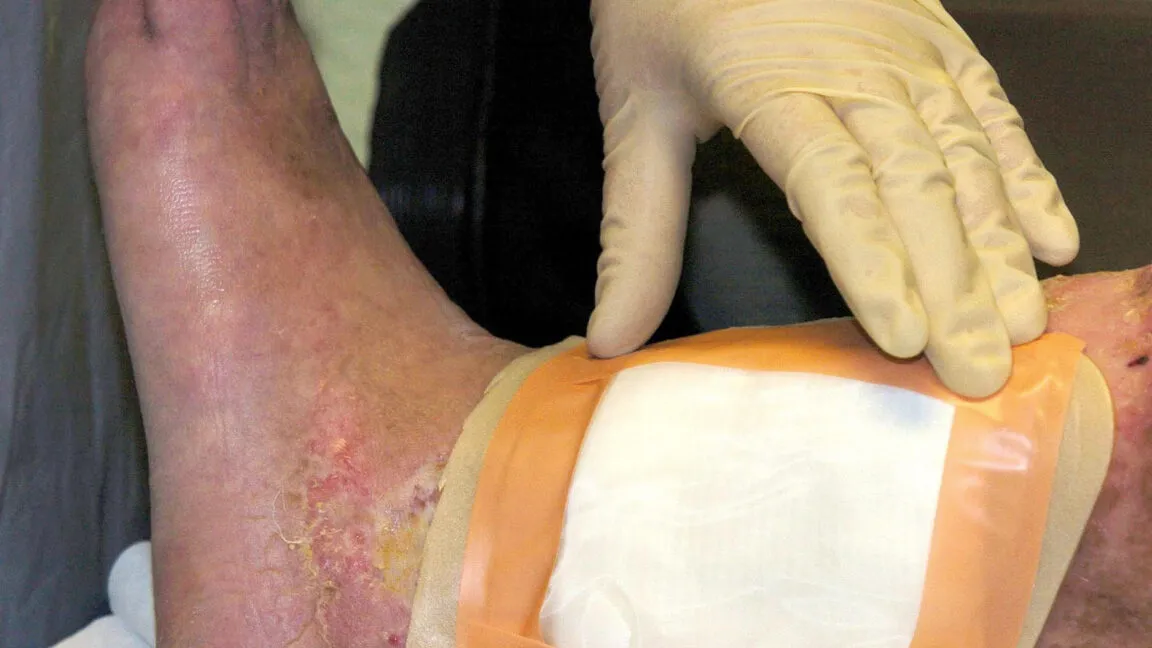
The FDA cleared a second carcass-feasting fly species for maggot wound therapy, according to Cuprina Holdings and its MediFly Maggots. The added clearance brings Lucilia cuprina, known as the Australian sheep blowfly, into the FDA-approved lineup alongside Lucilia sericata.
The FDA cleared a second fly species for maggot wound therapy this week, and it changes who controls the channel. Cuprina Holdings, a Singapore-based company, says its therapeutic larvae brand, MediFly Maggots, now includes Lucilia cuprina, also called the Australian sheep blowfly.
Cuprina’s point is simple and sharp: with this clearance, it appears to be the only company with FDA clearance to sell two species of fly larvae for wound therapy. The agency already cleared Lucilia sericata, commonly referred to as the common green bottle fly, and Cuprina’s new addition to its portfolio is close enough genetically to matter, because Lucilia cuprina is a close relative of Lucilia sericata.
This is maggot therapy, but the business behind it is not small. Clinically, these therapies are often described as biosurgery or maggot debridement therapy (MDT), and L. sericata is the species most often used for wound therapy. The original FDA clearance for L. sericata dates back to 2004, when the agency granted it to Ronald Sherman. Sherman is now Cuprina’s Medical and Scientific Director, linking today’s approval news to the long-running regulatory relationship.
Regulators are not typically in the habit of clearing brand new medical products quickly, especially in areas where the underlying data can be difficult to assemble. Ars Technica notes that maggot therapy lacks robust data, but the practice has fans and, more importantly for decision-makers, it has a fail-safe reputation. The “fail-safe” angle is that MDT can work as a mechanical and biological approach to debridement, so clinicians and institutions are not starting from zero even when evidence is debated.
Now layer in what FDA clearance actually means for a company like Cuprina. Approval is not just a medical milestone. It is a market-access milestone. If two different fly species are cleared, the company that holds both clearances can potentially sell more products into more care settings, with fewer regulatory hurdles for customers that want to standardize. That is why Cuprina is “abuzz with the potential to dominate the global maggot market,” as the original report frames it.
But the strategic reality here is more nuanced. The FDA clearance does not automatically turn into domination overnight. Wound care is operationally heavy. Hospitals care about supply reliability, training, integration into protocols, and procurement. A company that is only cleared for one species can be exposed if formularies lock in to one approved alternative, or if clinicians shift their preferences. A company with clearance for two species potentially reduces that bottleneck by giving hospitals and clinicians options while still staying inside the FDA-approved lane.
The regulatory map also matters for peers who want in. Ars highlights that L. sericata is the only other fly with FDA clearance, meaning there are not many approved competitors in the category right now. Cuprina’s position, therefore, is not just about having “a second product.” It is about being the only apparent holder of FDA clearance for two species at once. For executives sitting on boards or overseeing medical device and therapeutic portfolios, that combination creates leverage, because FDA approval acts like a gate. When gates open for one firm and not others, the business landscape tilts.
And there is a second-order incentive too: the closer a new species is to an already cleared one, the easier it is to justify regulatory pathways, at least in concept. Cuprina’s new species, Lucilia cuprina, is a close relative of Lucilia sericata, the common green bottle fly. That biological closeness is relevant because it may influence how regulators think about safety and therapeutic consistency when a new organism enters an established therapy framework.
So the headline stakes are bigger than a biology update. This is a brand and portfolio play, backed by FDA clearance. The FDA clearing Lucilia cuprina for MediFly Maggots expands Cuprina from “a player with an approved option” to “a player with two approved options.” In a category described as lacking robust data but supported by practitioners, that regulatory edge can shape who gets bought, who gets stocked, and who becomes the default story in wound care supply chains. For executives across healthcare products, it is a reminder that in contested evidence landscapes, regulatory timing and approvals can matter as much as scientific debate.
This story's Key Insights and Take-aways are locked.
Create a free account to unlock Executive Actions for one credit.
Register to UnlockAlways free for Executives Club members. Join the Club
More in Business

SpaceX stock jumps 3% after it overtakes Amazon’s market cap
CNBC says SpaceX’s shares surge following its IPO Friday, forcing investors to reprice what “space” and “AI” are worth.

SpaceX’s first options day breaks U.S. records after a $85B IPO win
Big IPO, bigger options debut: what it means for investors, risk teams, and anyone benchmarking market appetite.

SpaceX buys Cursor for all-stock $60B, signaling Elon Musk’s next AI move
SpaceX exercised its option for Cursor in an all-stock deal worth $60 billion, reshaping AI dealmaking expectations.