
Fed Hikes Rates for First Time in 3 Years, But Split on What's Next
A unanimous vote to raise rates masks a divided committee on the path ahead - here's what it means for borrowing costs and your portfolio.
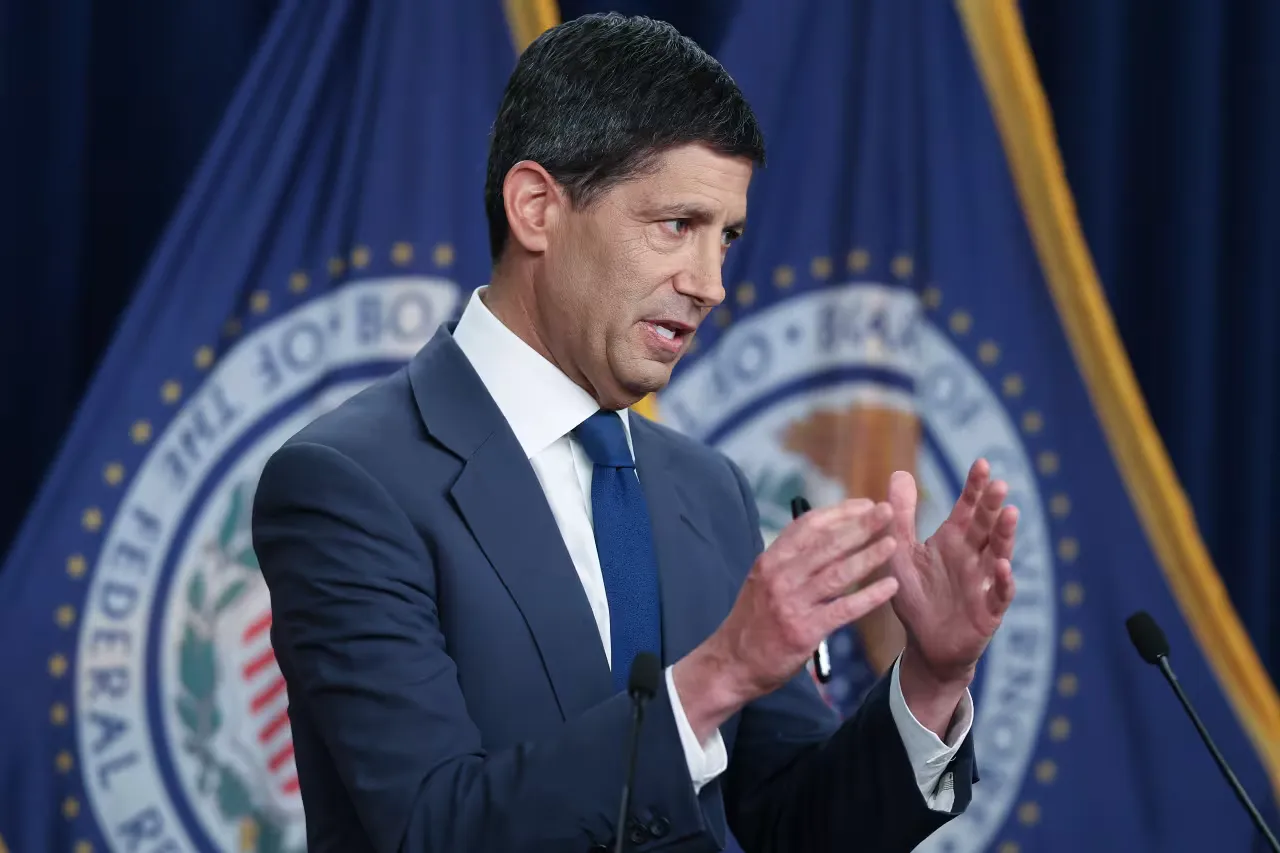
The Federal Reserve unanimously raised its benchmark interest rate for the first time in three years, but forward guidance revealed a split committee. Decision-makers should brace for more hikes and volatility as the central bank signals a faster tightening cycle.
The Federal Reserve did something Wednesday it hasn't done in three years: raise interest rates. The policy-making committee voted unanimously to hike its benchmark rate, a milestone that ends an era of pandemic-era near-zero borrowing costs. But the unanimity ended there.
Forward guidance, the Fed's signal about where rates are headed, was split. That division matters because it tells investors and executives that the path ahead is less certain than the vote suggests. The central bank is moving, but not everyone on the committee agrees on how fast or how far.
For context, the Fed's benchmark rate influences borrowing costs across the economy, from mortgages to corporate loans. A hike is designed to cool demand and tame inflation, which has been running hot. The last hike before this one came in 2018, before the pandemic forced a dramatic reversal to near-zero levels.
The split in forward guidance is the key signal for markets. When the committee speaks with one voice, investors can price in a clear path. When it doesn't, volatility follows. Expect wider swings in bond yields, equity valuations, and currency markets as traders adjust to the possibility of a faster or slower tightening cycle.
For CFOs and treasurers, the takeaway is to stress-test balance sheets against multiple rate paths. A unanimous hike with split guidance means the cost of capital is rising, but the speed is uncertain. Companies with floating-rate debt will feel the pinch first; those with locked-in low rates have a temporary cushion.
For consumers and younger investors, the hike changes the math on savings and borrowing. Savings accounts and money-market funds may finally offer meaningful yields, while credit card and auto loan rates will climb. The era of free money is over, and the adjustment will ripple through spending and investment decisions.
The bigger strategic question is whether the Fed can engineer a soft landing - cooling inflation without triggering a recession. The split guidance suggests committee members themselves are unsure. That uncertainty is the real story for anyone making long-term plans.
For peers in similar roles, the lesson is to watch the dots, not just the headline. The unanimous vote is the easy part; the forward guidance is where the real signal lives. Build flexibility into your plans, because the Fed itself hasn't fully decided what comes next.
This story's Key Insights and Take-aways are locked.
Create a free account to unlock Executive Actions for one credit.
Register to UnlockAlways free for Executives Club members. Join the Club
More in Business

Royal Caribbean just spent $3B to own half of Sandals
The cruise giant is buying a 50% stake in the all-inclusive resort chain for $3 billion, a bet that land-based vacations are the next growth engine.

Paramount's Ellison: Merger Clearance Done, WBD Deal by Oct 1
David Ellison says the Paramount-WBD merger has full clearance after settling with state AGs, clearing the path for an October 1 close.
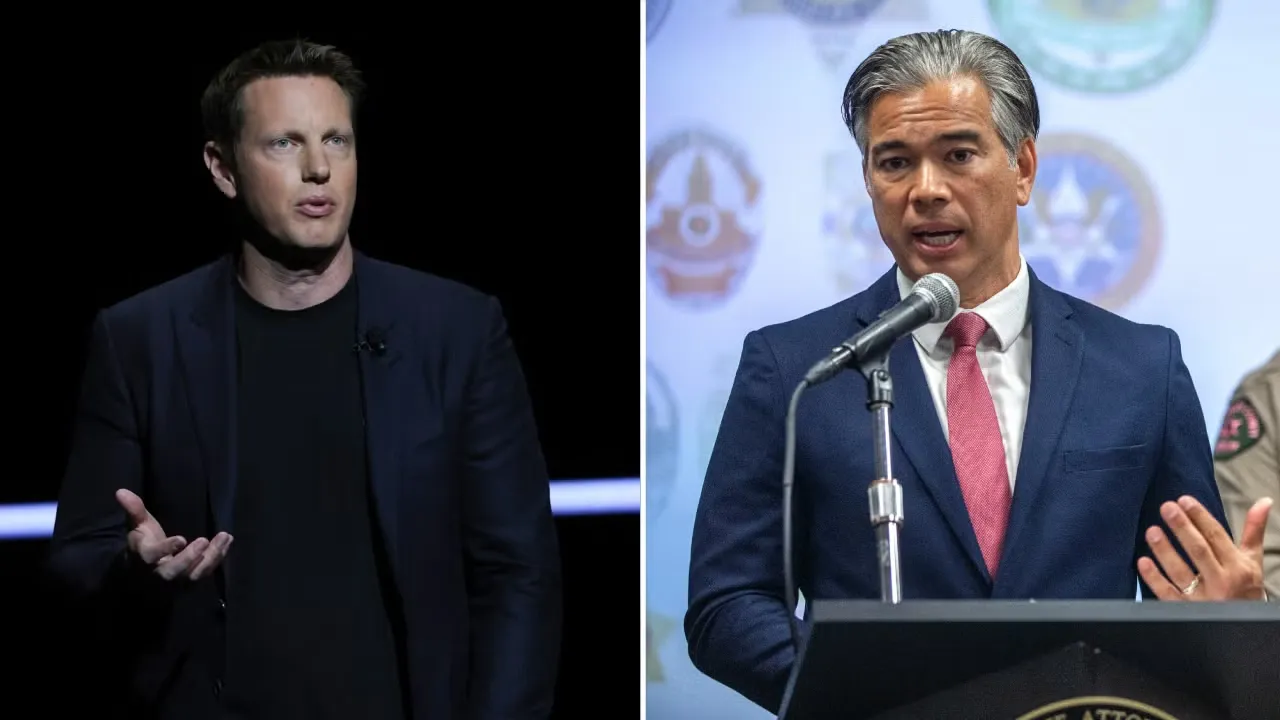
Paramount settles with 12 states, $110B Warner merger clears final hurdle
David Ellison's studio avoids a March trial and a $7M-a-day ticking fee by settling with state AGs over local job losses.