

Fed raises rates for first time in 3 years, defying Trump's cut demand
The unanimous hike ends a three-year pause and sets up a direct clash with a president who wanted cheaper money.
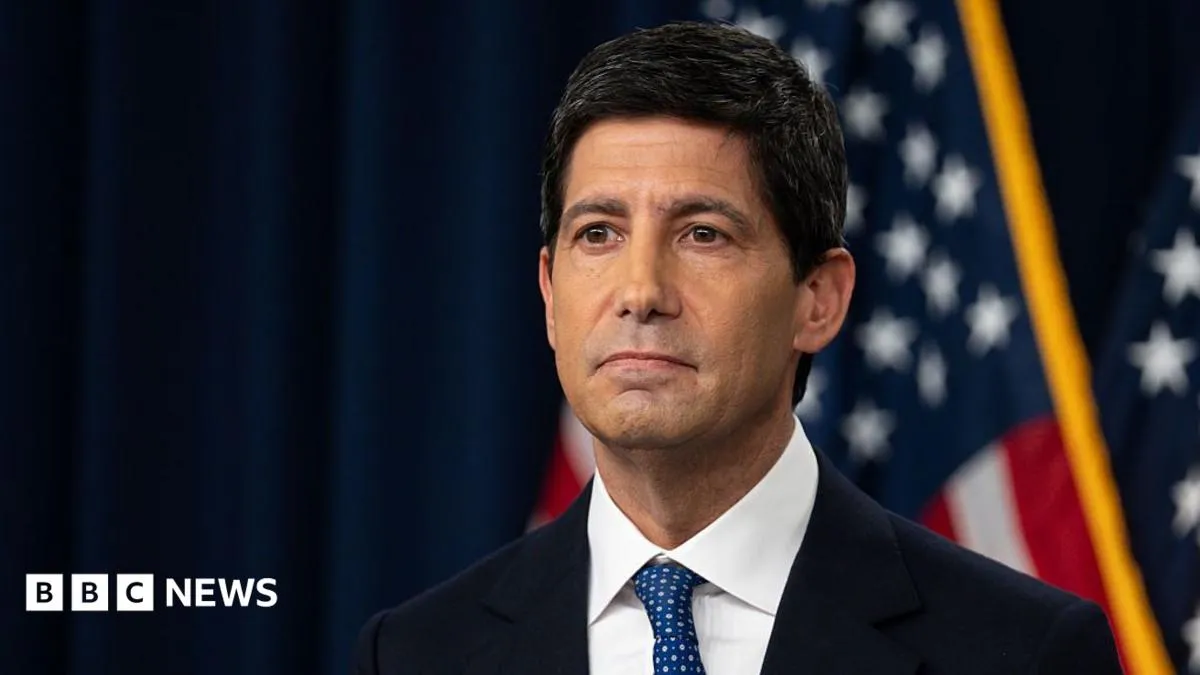
The Federal Reserve raised US interest rates for the first time in three years, in a unanimous decision that directly contradicts President Donald Trump's call for a cut. The move signals the central bank's independence and forces businesses to reassess borrowing costs and growth expectations.
The Federal Reserve raised US interest rates for the first time in three years, a unanimous decision that lands as a direct rebuke to President Donald Trump, who had publicly pushed for a cut. The hike, confirmed by the central bank's rate-setting committee, breaks a long stretch of steady policy and signals that the Fed sees enough strength in the economy to tighten conditions. For executives and investors, the move is a clear warning: the era of ultra-cheap money is over, and the cost of capital is heading higher whether the White House likes it or not.
This is not just a routine adjustment. The three-year pause before this hike reflects a period of caution, when the Fed held rates steady to support a fragile recovery. Now, with the economy showing resilience, the committee voted unanimously to reverse course. That unanimity matters. It shows internal cohesion at a time when external political pressure is intense. Trump had called for a cut, arguing that lower rates would boost growth, but the Fed chose the opposite path. The central bank's independence is on full display, and the message to markets is that policy will be set by data, not by tweets.
The political backdrop adds a layer of complexity. Trump's public opposition to the hike is unusual, as presidents typically avoid commenting on Fed decisions to preserve the central bank's credibility. By breaking that norm, Trump has put the Fed in a difficult spot: if it caves to pressure, it risks looking political; if it defies him, it invites further attacks. The unanimous vote suggests the Fed is willing to take that risk. For boardrooms, this means the central bank is likely to stay the course on gradual tightening, even if the president continues to push back.
For businesses, the immediate impact is on borrowing costs. Loans tied to the benchmark rate, including many commercial lines of credit and variable-rate corporate debt, will become more expensive. Companies that have relied on cheap debt to fund expansion, buybacks, or acquisitions will need to reprice their capital plans. The hike also signals that the Fed expects inflation to stay near target, which could affect pricing power and wage negotiations. CFOs should review their debt structures and consider locking in fixed rates before further moves.
The broader economic signal is one of confidence. A rate hike is typically a vote of confidence in the economy's ability to grow without excessive inflation. But it also carries risks: higher rates can slow borrowing, cool housing markets, and pressure highly leveraged firms. The Fed is walking a tightrope, and the next few quarters will reveal whether the economy can handle the tightening. For investors, the move may trigger a rotation out of rate-sensitive sectors like utilities and real estate, and into financials, which benefit from wider margins.
This decision also has global implications. The US dollar tends to strengthen when the Fed raises rates, which can pressure emerging markets that carry dollar-denominated debt. Multinational companies will need to watch currency swings and adjust their hedging strategies. The hike could also influence other central banks, which may feel pressure to follow suit or risk capital outflows. For executives with international exposure, the Fed's move is a reminder that US monetary policy still sets the tone for global finance.
Looking ahead, the key question is what comes next. The Fed has not signaled a specific path, but the unanimous vote suggests a willingness to act again if data supports it. Trump's opposition may intensify, but the central bank's credibility depends on ignoring that noise. For peers in similar roles, the lesson is clear: political pressure does not override institutional discipline. The Fed has drawn a line, and the market will now watch for the next data point to see if the hike is the start of a cycle or a one-off.
For CFOs and boards, the strategic stakes are immediate. This is the moment to stress-test cash flows under higher rates, renegotiate debt terms, and reassess any project that assumed cheap capital. The Fed has spoken, and the cost of money is going up. Those who adjust quickly will protect margins; those who wait will feel the squeeze. The era of free money is officially over, and the smart money is already repricing risk.
This story's Key Insights and Take-aways are locked.
Create a free account to unlock Executive Actions for one credit.
Register to UnlockAlways free for Executives Club members. Join the Club
More in Business

Royal Caribbean just spent $3B to own half of Sandals
The cruise giant is buying a 50% stake in the all-inclusive resort chain for $3 billion, a bet that land-based vacations are the next growth engine.

Paramount's Ellison: Merger Clearance Done, WBD Deal by Oct 1
David Ellison says the Paramount-WBD merger has full clearance after settling with state AGs, clearing the path for an October 1 close.
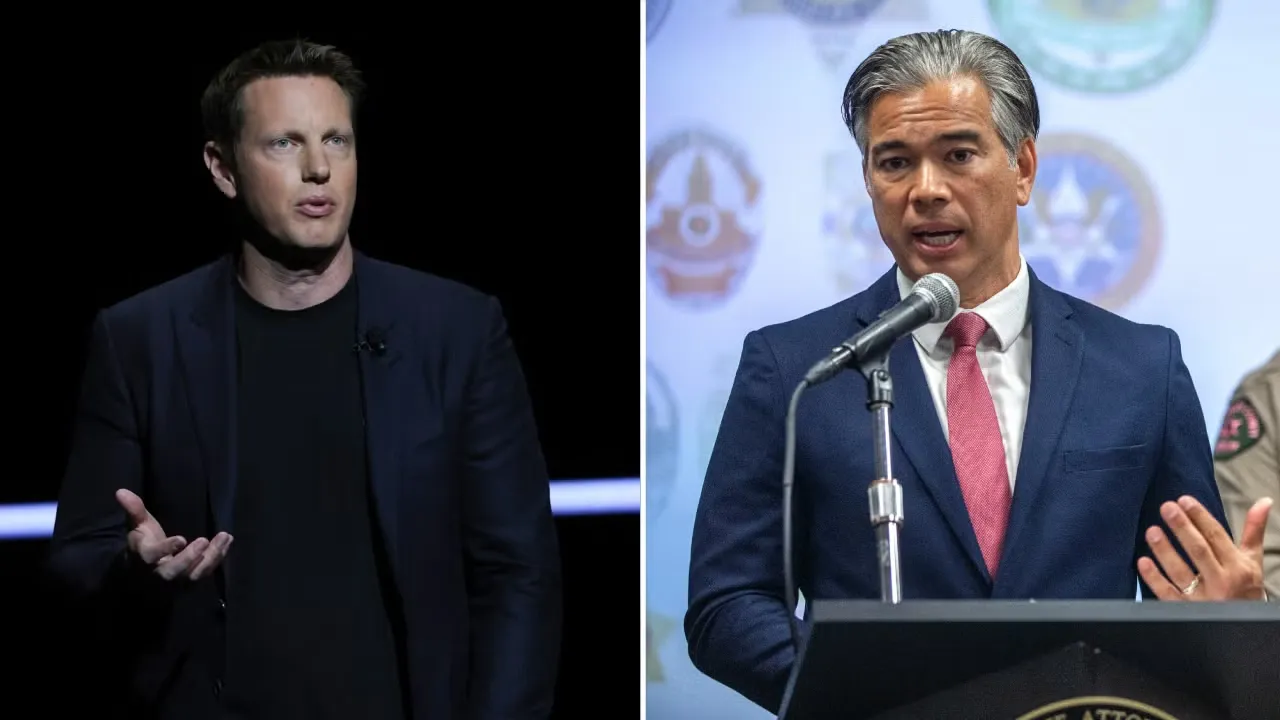
Paramount settles with 12 states, $110B Warner merger clears final hurdle
David Ellison's studio avoids a March trial and a $7M-a-day ticking fee by settling with state AGs over local job losses.