
First UK testicular tissue transplant gives hope to boys left infertile by chemo
A 19-year-old's pioneering procedure could change how families and hospitals plan fertility preservation before cancer treatment.
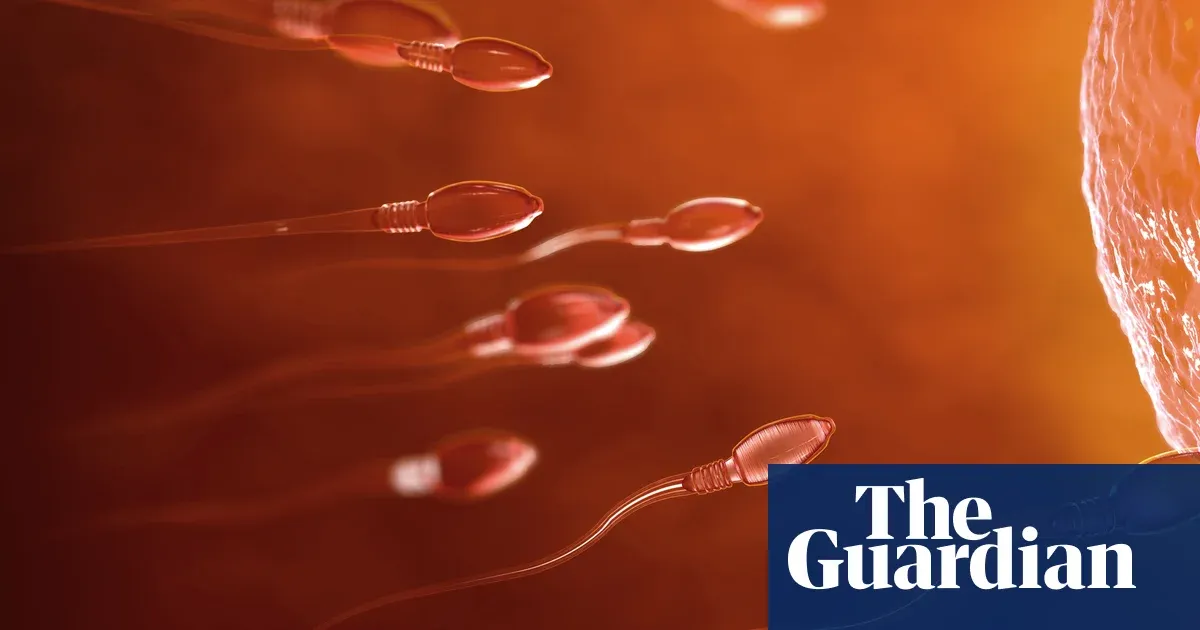
Surgeons performed the first UK testicular tissue transplant on a 19-year-old who had no sperm after chemotherapy, using tissue frozen three years earlier. The procedure offers a potential breakthrough for preserving fertility in boys whose cancer treatment threatens their ability to have biological children.
A 19-year-old who had no sperm after chemotherapy has become the first person in the UK to receive a testicular tissue transplant, surgeons have announced. The tissue was removed and frozen three years ago, before he underwent treatment for a serious blood disorder. He said he was "incredibly grateful" to the medical team behind the pioneering procedure, which represents a potential breakthrough for male fertility preservation. The operation is a landmark for the thousands of boys and young men who face infertility as a side effect of cancer treatment, and it opens a new frontier in reproductive medicine that has long lagged behind equivalent options for girls and women.
The procedure works by taking a sample of testicular tissue before chemotherapy or radiotherapy begins, freezing it, and then transplanting it back after treatment has finished. In this case, the tissue was transplanted into the teenager's testicle, where it is expected to begin producing sperm. The hope is that the transplanted tissue will restore natural fertility, allowing the patient to conceive without assisted reproductive technology. For prepubescent boys, who do not yet produce sperm, this is the only option for preserving fertility, because standard sperm banking is not possible. The UK procedure is therefore a significant step toward making that option a clinical reality.
The development is part of a broader global effort to address a long-standing gap in fertility preservation. While adult men can bank sperm and women can freeze eggs or embryos, children who have not reached puberty have had few options. For decades, the standard advice for families facing a child's cancer diagnosis was to focus on survival and deal with fertility later, often with disappointing results. The new transplant technique changes that calculus by offering a way to preserve the biological potential of boys before treatment begins, even if they are years away from wanting to start a family.
The medical team behind the operation has not yet confirmed whether the transplanted tissue has begun producing sperm, and the teenager's long-term fertility remains uncertain. But the fact that the procedure was performed at all is a milestone, because it moves testicular tissue transplantation from theory into practice in the UK. The approach has been studied in animals for years, and a handful of similar procedures have been attempted elsewhere in the world, but this is the first time it has been done in the UK. The success of the operation will be measured over the coming months and years, as doctors monitor whether the tissue functions normally and whether sperm appear in the patient's semen.
The implications extend beyond the individual patient. For hospitals and fertility clinics, the procedure creates a new clinical pathway that will require investment in tissue-freezing infrastructure, specialist surgical training, and long-term follow-up protocols. For families, it introduces a difficult decision at an already overwhelming moment: whether to have a child undergo an additional procedure to harvest and freeze tissue before cancer treatment begins. The procedure is not without risk, and it is not guaranteed to restore fertility, but for many families the possibility of a biological child in the future will outweigh those uncertainties.
The science also raises regulatory and ethical questions that will need to be addressed as the technique becomes more widely available. Testicular tissue transplantation is still experimental, and there is no established framework for how it should be offered, monitored, or funded. In the UK, the Human Fertilisation and Embryology Authority regulates fertility treatment, but this procedure sits in a grey area because it involves transplanting tissue rather than creating embryos. As more centres begin to offer the procedure, regulators will need to decide how to oversee it, how to track outcomes, and how to ensure that patients and families understand the experimental nature of the treatment.
For the broader field of reproductive medicine, the procedure is a reminder that fertility preservation is not just an adult concern. Cancer treatment can permanently damage the reproductive system, and the window to act is often narrow. The teenager's case shows that tissue banking can be done years in advance and that transplantation is technically feasible, which will encourage more research into improving the technique and increasing its success rate. It also highlights the importance of early referral, because the tissue must be collected before chemotherapy begins, which means oncologists and paediatricians need to raise the topic of fertility with families as soon as a diagnosis is made.
The strategic stakes for healthcare leaders and investors are clear. Fertility preservation is a growing market, and the ability to offer tissue banking to prepubescent boys would expand that market significantly. Hospitals that invest in the infrastructure and expertise now will be positioned to lead as the procedure moves from experimental to standard care. For families, the procedure offers something that was previously unavailable: a realistic chance that a child who survives cancer will one day be able to have a biological child. That is a profound change, and it is why this first UK transplant matters far beyond the single patient who received it.
This story's Key Insights and Take-aways are locked.
Create a free account to unlock Executive Actions for one credit.
Register to UnlockAlways free for Executives Club members. Join the Club
More in Science
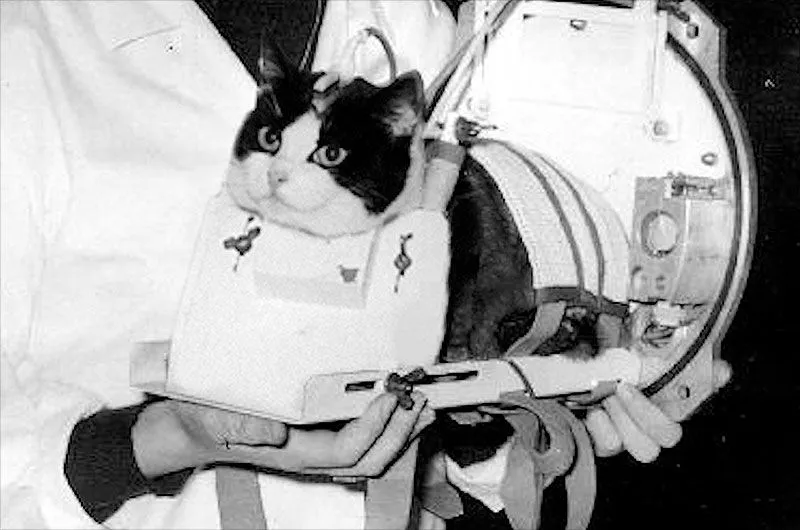
France euthanized Félicette, the first cat in space, two months after her flight
Félicette's 1963 flight made France a space-race player, but her euthanasia and a crowdfunded statue reveal how high-risk programs are remembered.
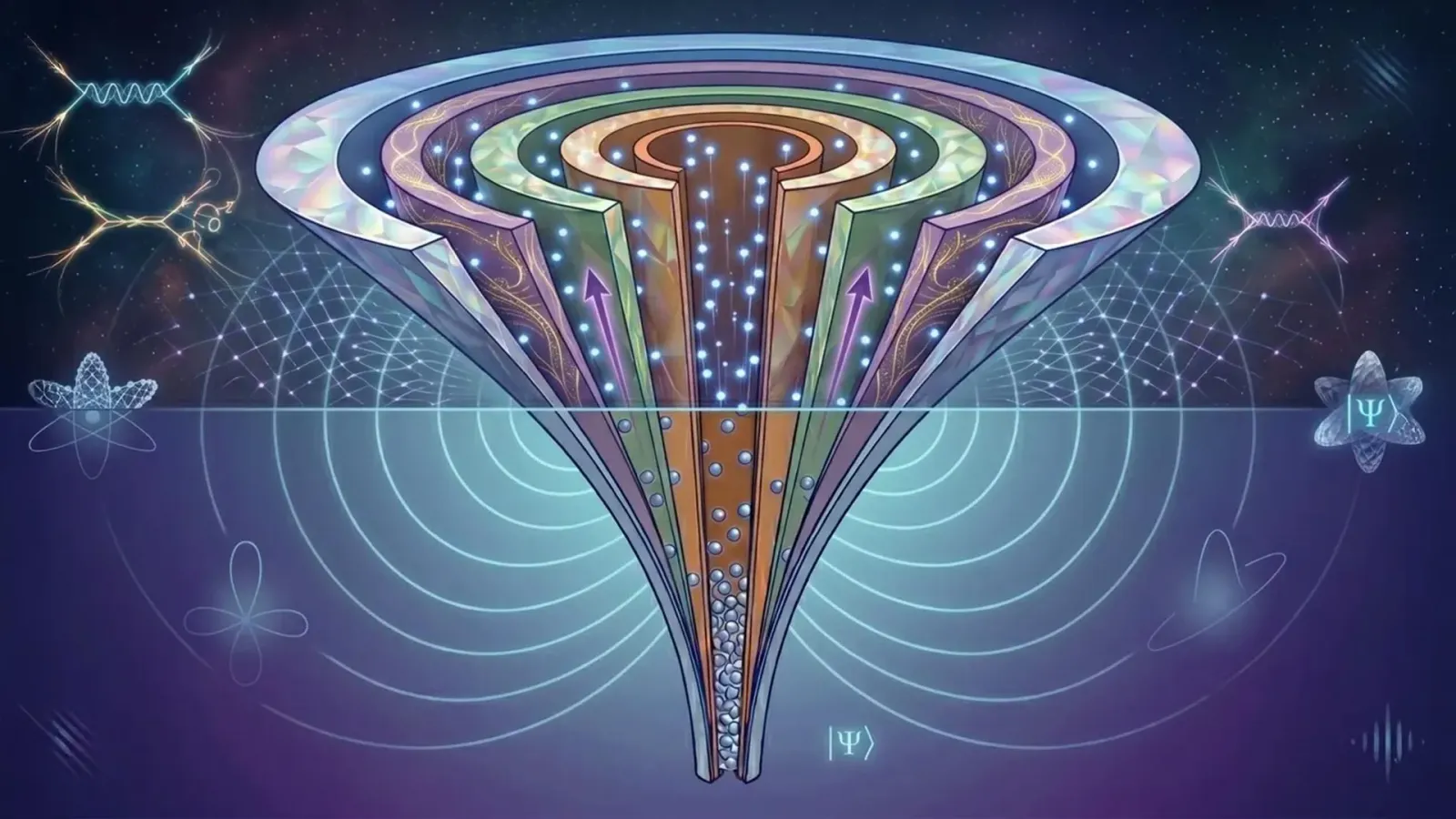
Ultracold atoms just created a 'fractional Fermi sea' that breaks quantum rules
A new quantum state challenges decades of theory and hints at 'super-Fermions,' with real stakes for quantum computing and materials science.
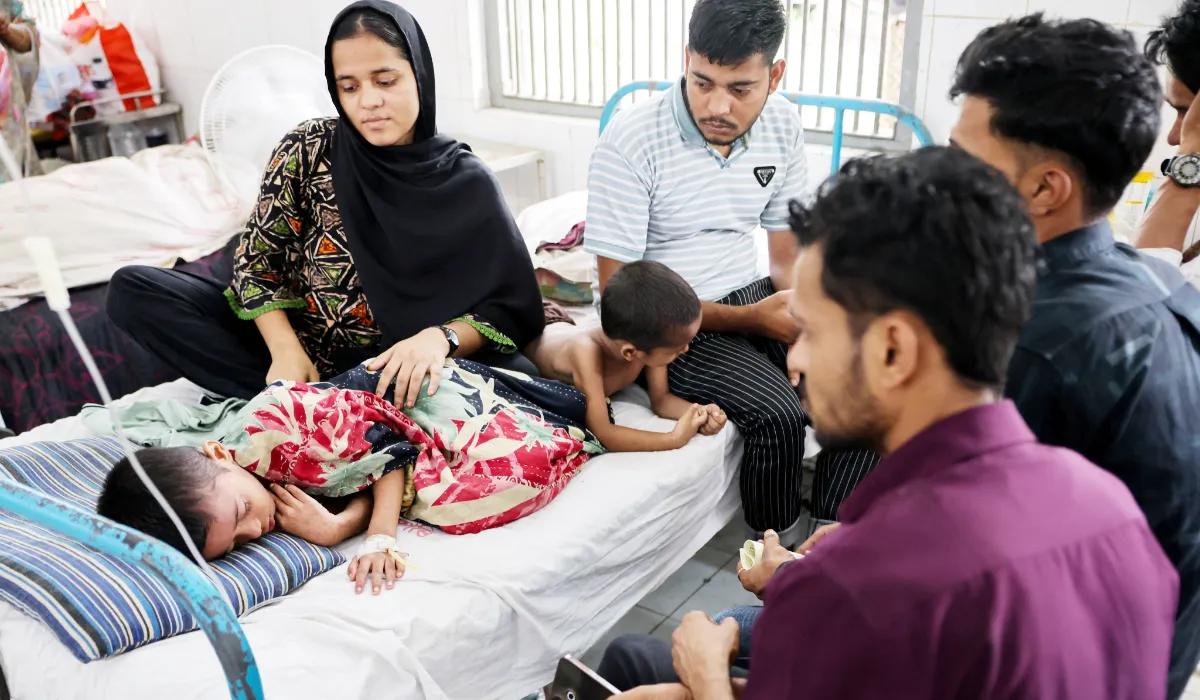
Bangladesh's 202,000 measles cases are a 'real warning' to other nations
The world's worst measles outbreak is spreading as routine vaccination falters. Here is why every country's immunization program should pay attention.