

Five Guys brings its first Beijing store next month, joining US chains chasing China growth
Five Guys is debuting in Beijing after Shanghai momentum, as Wendy's, Chili's, Texas Chicken, and Popeyes push deeper into China.
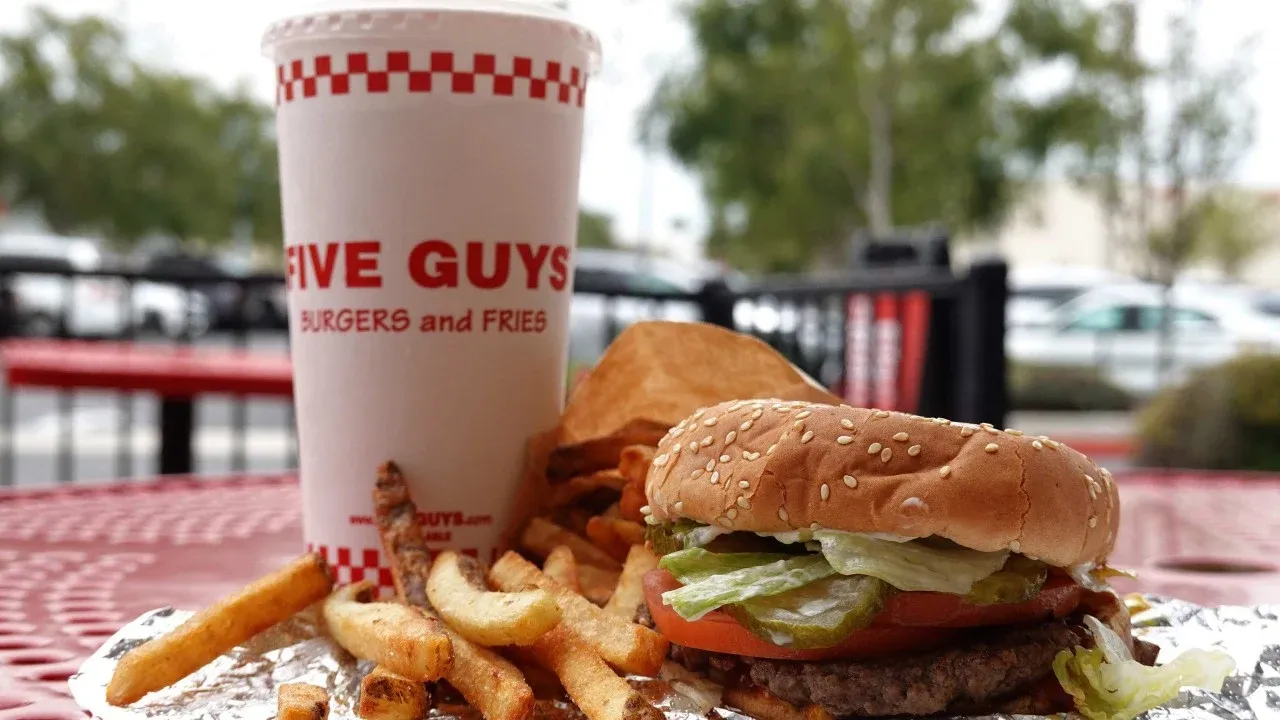
Five Guys says it will open its first Beijing store next month, adding to its China rollout that started with a Shanghai outlet in 2021. The move signals renewed pressure on US fast-food brands to keep growing in China as home markets look saturated.
Five Guys is headed to Beijing. The American burger chain said last week that it will debut its first Beijing store next month, extending the China expansion it kicked off with its first outlet in Shanghai in 2021.
This matters because Five Guys is not arriving alone. It is joining a wave of US fast-food brands newly entering or accelerating expansion in China, as companies look for demand beyond saturated markets at home. SCMP notes that chains including Wendy's, Chili's, Texas Chicken, and Popeyes are all aiming to grab a slice of the world’s second-largest consumer market, and analysts have framed the push as a response to limited room to keep winning domestically.
Start with the simple point: Five Guys is betting that what worked in Shanghai will translate to Beijing. When the brand opened its first China outlet in 2021, it “drew large crowds,” according to the report. That is the kind of early signal operators watch closely. It suggests that the product, brand recognition, and real-world consumer traffic support the next step: expanding beyond a single city into a major political and economic hub.
Now add the competitive pressure. The US fast-food category is full of established brands with mature footprints, and that maturity can become a ceiling. When growth at home slows or saturates, investors and executives push toward international markets where customer bases are still expanding and where brands can scale locations over time. China fits that description. It is also the kind of market where execution details matter, because scaling restaurants is not just about marketing. It is about site selection, supply chains, staffing, and consistency across a large footprint.
The SCMP report is explicit that analysts see China as the outlet for US chains hunting success in a second-largest consumer market while “facing saturation at home.” In other words, this is not a quiet novelty expansion. It is a strategic move tied to a bigger corporate math problem: how to keep unit growth and brand momentum when domestic demand is no longer as fresh.
There is also a signal value to timing and geography. Five Guys opening in Beijing next month is a deliberate escalation from Shanghai. Shanghai is a major consumer center and a natural test bed for international brands. Beijing is another level of visibility and scrutiny. If a brand performs well in Shanghai and then takes the bet to Beijing, boards and senior management can argue they have moved from pilot to scale.
But the competitive field is already moving. SCMP groups Wendy's, Chili's, Texas Chicken, and Popeyes alongside Five Guys, describing them as “newly entering or accelerating their expansion in China.” Even if each brand’s path differs, collectively the message is clear: US operators are reallocating attention and capital toward China, likely because they expect brand share to be up for grabs as demand grows and as consumers continue experimenting with foreign formats.
For decision-makers, the second-order implication is that this kind of synchronized expansion changes how executives should evaluate risk. When multiple major brands chase the same market, the challenge can shift from “is demand there” to “who can execute fastest and most reliably.” That includes operational throughput and the ability to open multiple locations while protecting the customer experience. The report notes that Five Guys “plans to open three locations” after Shanghai momentum, which reinforces that this is location-driven growth, not a symbolic presence.
And once restaurants multiply, marketing and promotions become more expensive and more strategic. Brands need to differentiate in a market where consumers can sample many options. That raises the stakes for site selection and pricing, because foot traffic is competitive and loyalty is not guaranteed.
So what should peers in similar roles take from this? Five Guys opening in Beijing next month is not only a footprint milestone. It is evidence that China is still functioning as an external growth engine for US fast-food, even as operators grapple with saturation at home. For boards, CFOs, and growth leaders, the question is straightforward: if China is the new battleground, can your operating system scale in the right cities, with the right unit economics, while competing against multiple large brands that are also coming in, faster than you might wish?
This story's Key Insights and Take-aways are locked.
Create a free account to unlock Executive Actions for one credit.
Register to UnlockAlways free for Executives Club members. Join the Club
More in Business
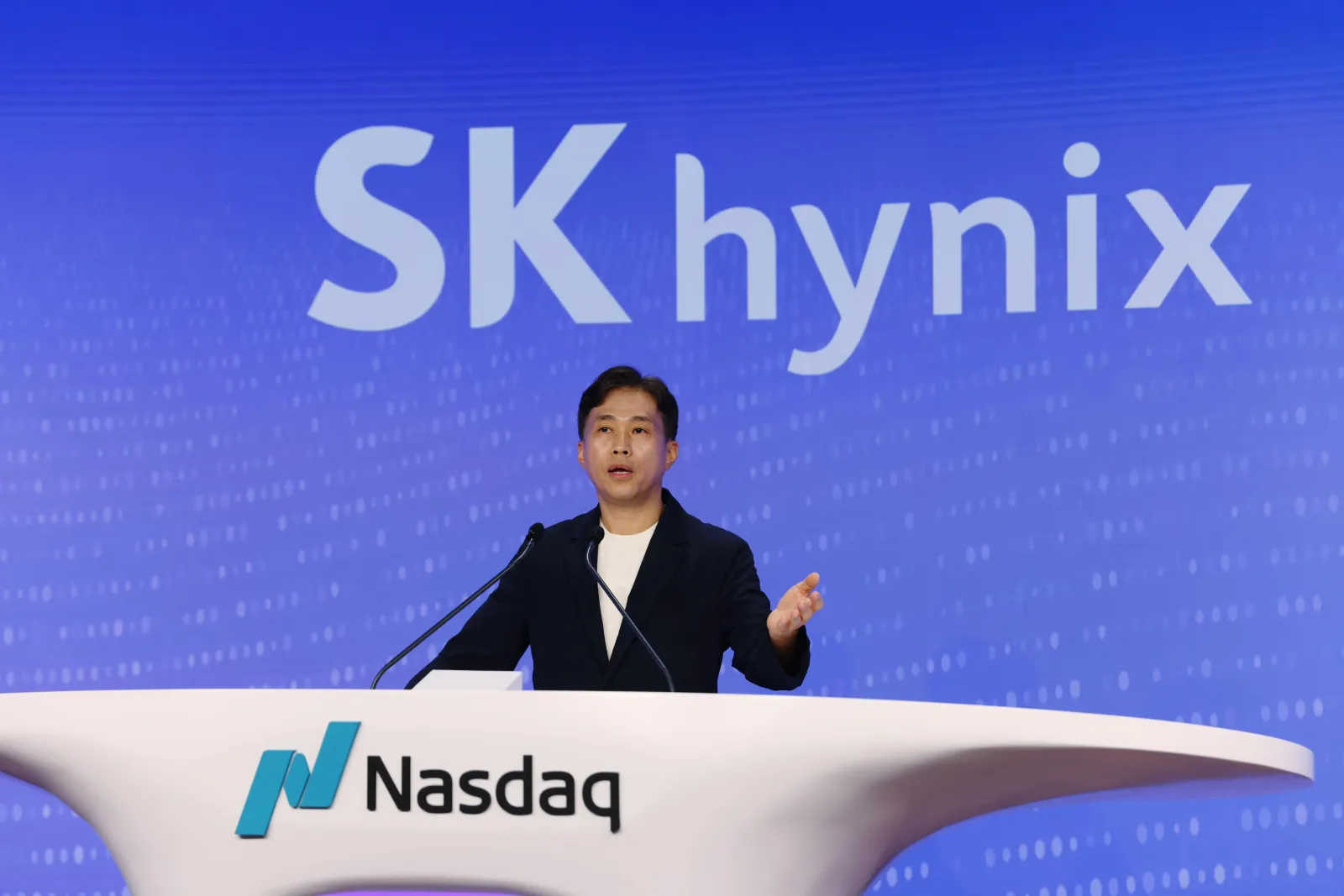
SK Hynix opens at $170, raises $26.5B, and tops foreign IPO records
In Friday's Wall Street debut, SK Hynix turns AI RAM demand into a $26.5B fundraising moment that rewrites comps.
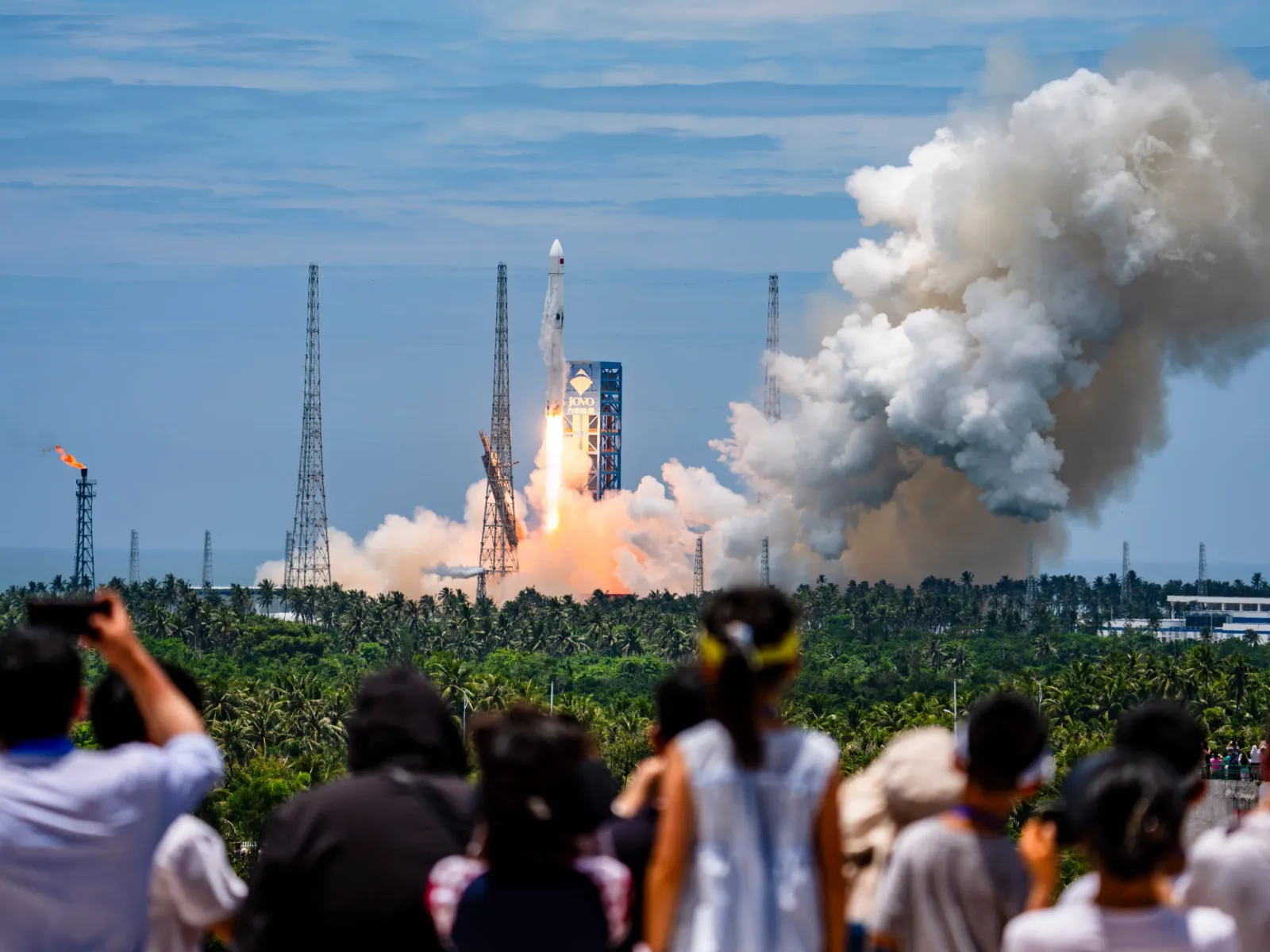
China lands a reusable Long March booster, a first that matches SpaceX and Blue Origin
A barge landing and net-based recovery move China from theory to proof, reshaping the reusability race and satellite ambitions.

AstraZeneca $27B wipeout as Wainua late trial misses cardiovascular target
A failed late-stage heart study triggered a swift market punishment, forcing investors and boards to reset timelines and risk.