
Fontainebleau wildfire burns 1,000 hectares southeast of Paris, authorities say
A fast-moving fire near 60km from Paris already scorched 1,000 hectares, raising new operational and risk questions.
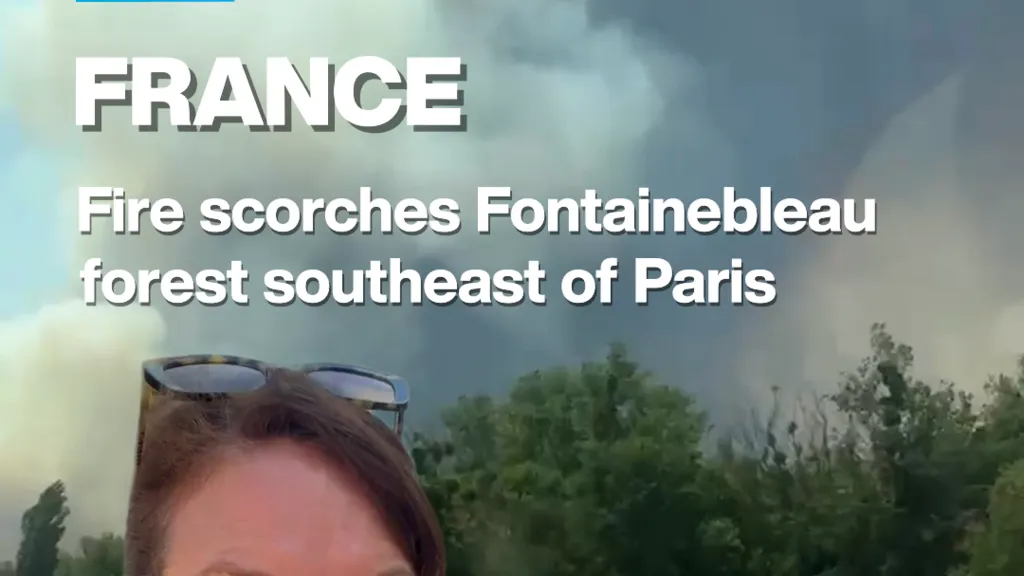
A fast-moving wildfire is scorching France's Fontainebleau forest, 60km southeast of Paris, and authorities estimate about 1,000 hectares have been burned as of Monday. The development matters for decision-makers managing operations, insurance, and public-safety obligations in wildfire-exposed regions.
A fast-moving wildfire is scorching France's Fontainebleau forest, about 60km southeast of Paris, and authorities estimate around 1,000 hectares of land have been burned so far as of Monday. That is not a “small” fire by any operational definition. It is the kind of scale that forces emergency responders to shift from containment planning to active damage control, and it is the kind of number that tends to ripple into budgets, insurance terms, and compliance reviews long after the flames cool.
FRANCE 24 reports that Senior Reporter Catherine Norris Trent witnessed both the devastation and the ongoing efforts to fight the blazes firsthand. The on-the-ground picture matters because the first hours of a fast-moving wildfire often determine the worst-case trajectory: what sections are reachable by firefighting resources, which evacuation routes remain passable, and how quickly teams can prevent the fire from leapfrogging into new fuel sources.
Fontainebleau is not some remote, uninhabited spot. A forest that sits near a major metro area changes the equation. When a blaze threatens populated communities, the response has to balance speed with coordination. That includes decisions about where to concentrate water and personnel, how to stage equipment, and how to keep traffic from turning into a secondary crisis. Even if your company is not in the forest, proximity to a high-visibility public area can turn a wildfire into a regional operational event: road closures, disruptions to logistics, and heightened demand for public communications.
There is also a capital-rules layer that often shows up after headlines like this. A burning footprint of roughly 1,000 hectares is large enough to invite scrutiny from multiple sides: insurers assessing claims exposure, risk teams updating wildfire models, and boards checking whether preparedness plans match the reality of “fast-moving” fires. The source does not provide pricing or loss estimates, but the basic point holds. When authorities quantify burned land early, the market starts preparing for downstream costs, even if the final numbers are still unknown.
For corporate leaders, the second-order effects are often less about smoke and more about the risk governance around it. Fires can force sudden interruptions to supply chains and data operations if infrastructure is affected, and they can trigger contract clauses tied to force majeure, business continuity, or emergency access. On top of that, governments and public agencies tend to intensify monitoring and enforcement in the wake of active events. That means companies that rely on permits, land management, or environmental compliance may face faster reviews, tighter reporting, or additional requirements if wildfire risk becomes a more prominent policy priority in the region.
The timing matters too. Monday is when many organizations are already operating at full staffing and full output. A fast-moving wildfire can turn a normal workweek into a high-coordination test overnight: who is accountable for emergency response, how decisions get made when information changes hourly, and how quickly communications can be drafted without misinformation. Reporter observations from the field, like those described by Catherine Norris Trent, are often where decision-makers get their clearest sense of how reality diverges from initial assumptions. In wildfire events, assumptions are usually the first thing to break.
So what should executives and boards take from this? A wildfire is not just a local safety story. It is a stress test for the systems that handle uncertainty: forecasting, escalation protocols, vendor responsiveness, and risk disclosures. With authorities estimating that about 1,000 hectares have already been burned, the Fontainebleau fire is already at a scale that can convert “preparedness” into measurable disruption.
If you lead an organization with assets, facilities, employees, or suppliers in or near wildfire-exposed zones, this is the moment to revisit your assumptions: do your plans work when a fire is fast-moving, do you have access and communications lines that hold under road closures, and are your insurance and compliance teams ready to move as soon as authorities publish more quantified updates. The smoke might be in the forest, but the operational and governance impacts can travel farther and last longer than the headline.
This story's Key Insights and Take-aways are locked.
Create a free account to unlock Executive Actions for one credit.
Register to UnlockAlways free for Executives Club members. Join the Club
More in Politics
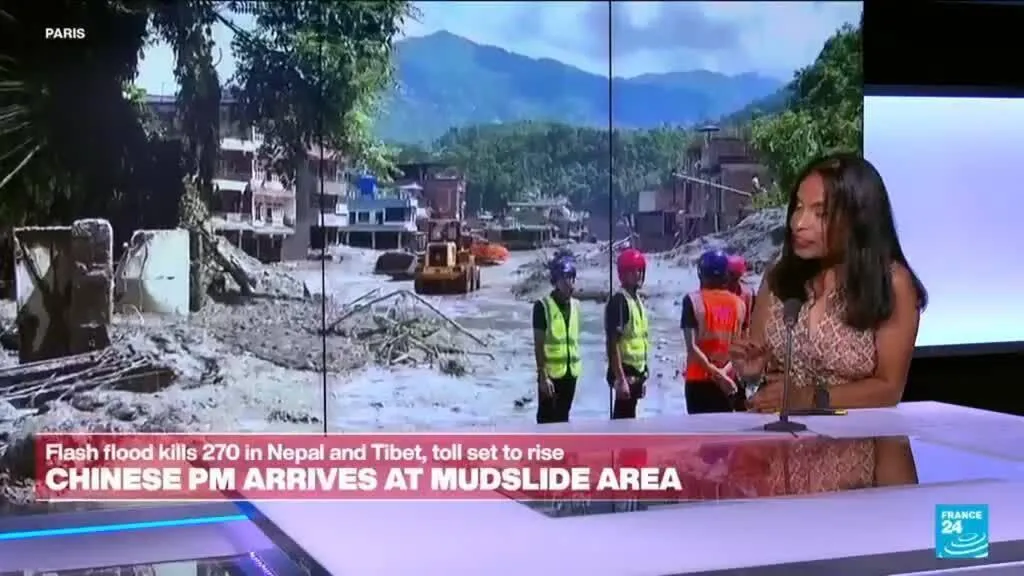
Glacial collapse, not rain, killed 180 in Nepal's Himalayan flood
The Himalaya's extreme geography hid the true cause of Nepal's catastrophic flood, a glacial collapse that turned a geological battleground into a mass-casualty zone.
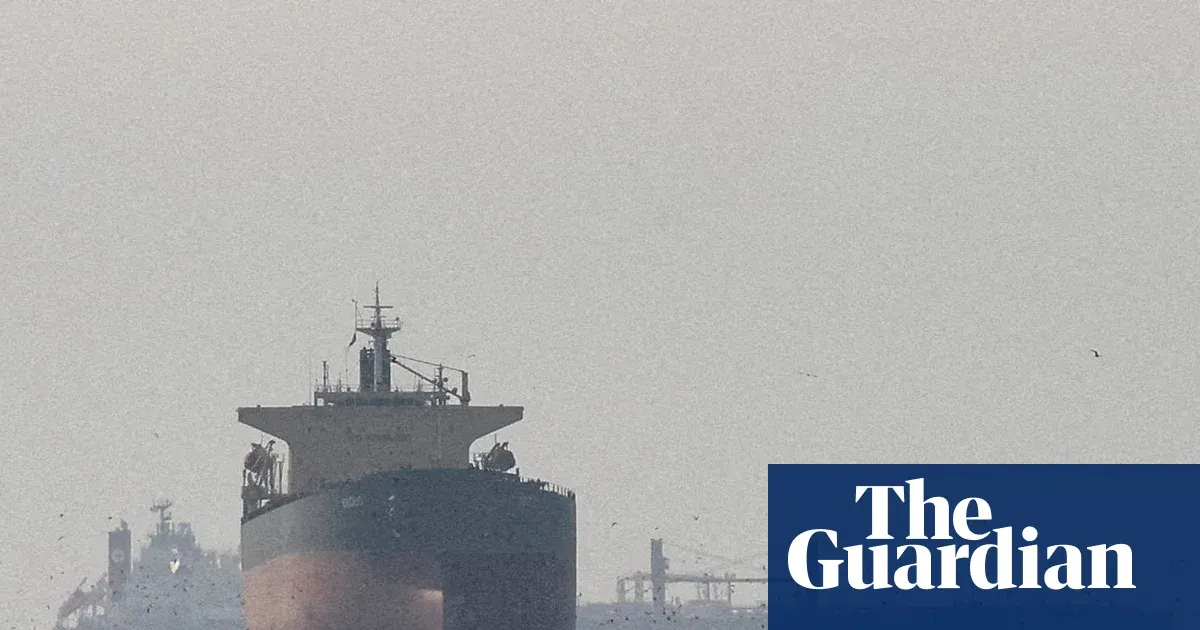
Iran’s Esmail Baghaei says Oman talks start shipping via Hormuz, not US talks yet
Temporary route plans with Oman aim to restart commerce while Tehran says Washington dialogue is not on the table.

Standards watchdog opens probe into Reform UK deputy leader Richard Tice over interests
The parliamentary standards commissioner says it began an investigation on 28 July into a possible undeclared interest.