
Foreign Affairs warns Gulf nuclear crisis hinges on Saudi enrichment dilemma, not hardware
The real bottleneck is who controls fuel-cycle risk in the Saudi deal, and what happens next if it breaks.
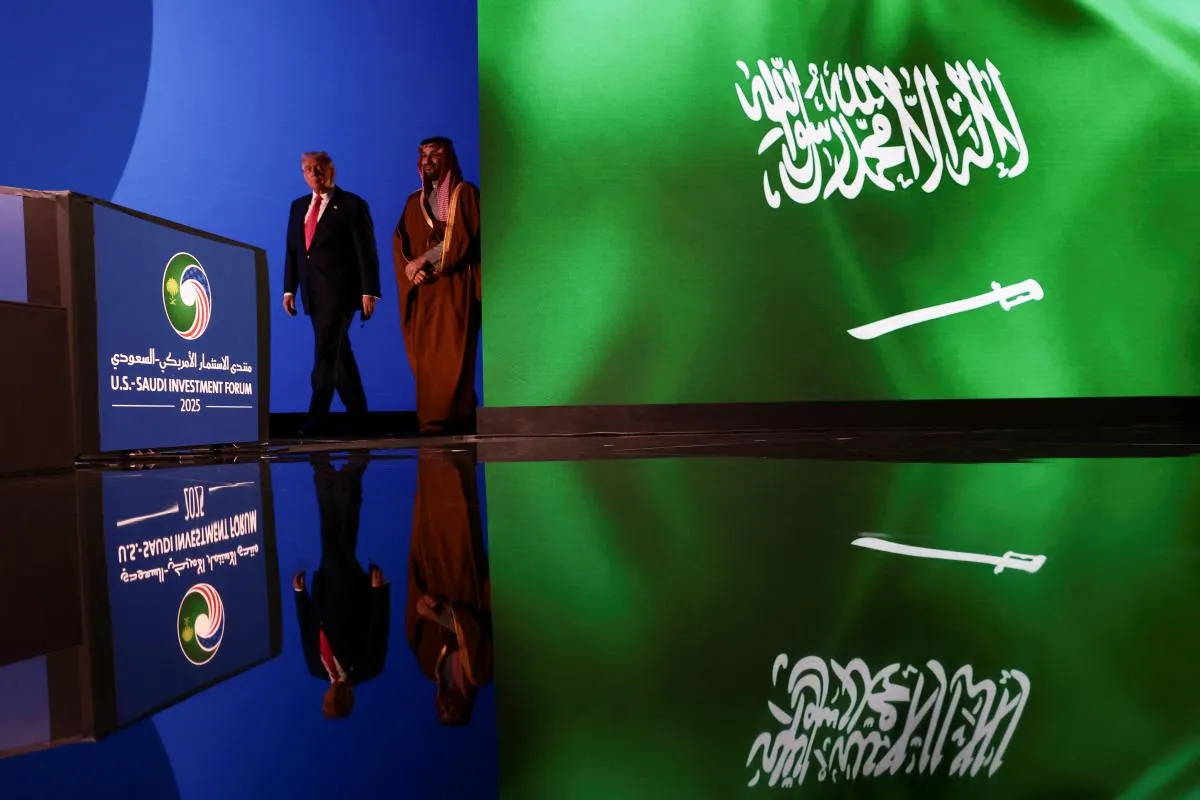
Foreign Affairs focuses on the looming nuclear crisis in the Gulf and argues the key obstacle is overcoming the enrichment dilemma in the Saudi deal. For decision-makers, the consequence is clear: fuel-cycle control choices can either stabilize the region or accelerate a proliferation spiral.
Foreign Affairs frames a “looming nuclear crisis in the Gulf” as more than a supply chain problem or a question of reactor construction. The publication’s core point is that the Saudi deal runs into the enrichment dilemma, meaning the hard part is not selling equipment, it is deciding how to manage the risks tied to enriching nuclear fuel.
That is the whole stake, stated plainly. If Saudi Arabia and the parties involved cannot “overcome the enrichment dilemma” in the Saudi deal, the region faces a more dangerous future than any headline about new reactors alone would suggest. Fuel-cycle capability changes the incentives for every government nearby. Even where intent is benign, capability can be interpreted, feared, and politically contested, and those second-order reactions are what turn a technical arrangement into a security crisis.
To understand why enrichment is the fulcrum, you have to think about how nuclear deals work. Many discussions about nuclear cooperation try to separate peaceful energy goals from the capabilities that could be repurposed. Enrichment sits right at the center because it is tightly bound to producing nuclear fuel and, in certain configurations, can enable pathways to sensitive material. Regulators and policymakers have to worry not only about safeguards today, but about future leverage: what happens if leadership changes, budgets tighten, or regional crises intensify.
This is also why “enrichment dilemmas” rarely resolve themselves with a simple technical fix. The dilemma is political and institutional. A country that wants energy security and industrial competence often sees enrichment as a sovereign capability. Another side that wants to minimize proliferation risk sees enrichment as the ultimate pressure point, because it is difficult to reverse and, once mastered, can reduce dependence on external suppliers. So the negotiating question becomes: what level of capability can be justified, what controls can be trusted, and who bears the risk if assumptions fail.
The Foreign Affairs framing matters because it spotlights the Gulf as a system, not a set of isolated states. The Gulf region’s security environment is interconnected; decisions made in one capital can reshape threat perceptions across the map. When a proposed Saudi nuclear arrangement runs into enrichment sensitivity, it can trigger hedging behavior by other governments, especially those that watch neighbors for signals about future capabilities. That is the second-order effect executives should care about: a deal that looks like “one country’s program” can become “regional bargaining over risk.”
From a boardroom perspective, the enrichment dilemma is a reminder that compliance and governance are not side quests. If regulators cannot confidently constrain sensitive capabilities, the entire cooperative architecture can stall or unravel. That has practical implications: timelines slip, financing becomes harder, and political backing can evaporate. For decision-makers considering similar cross-border energy or security-linked projects, the lesson is that the binding constraint is often the most sensitive control point, not the visible deliverables.
Finally, the “looming nuclear crisis” framing underscores urgency. Even without invoking dramatic, cinematic imagery, the direction is clear: as long as enrichment risk remains unresolved, the region stays on edge. And once the nuclear question becomes a standing political fault line, every new negotiation is judged not only by what it promises, but by whether it reduces incentives for future escalation. For executives, investors, and anyone in strategic leadership, that means the Saudi enrichment dilemma is not just a technical negotiation detail. It is a determinant of whether the Gulf’s nuclear future moves toward stabilization or toward a cascading security reckoning that is far harder to contain later.
This story's Key Insights and Take-aways are locked.
Create a free account to unlock Executive Actions for one credit.
Register to UnlockAlways free for Executives Club members. Join the Club
More in Politics

Obama Defends Ilhan Omar After Agents Search Her Home in Trump Inquiry
The former president's intervention raises the stakes in a federal probe into immigration paperwork that has put a prominent progressive lawmaker in the crosshairs.

Blair-era minister: cut welfare to fund youth job support
Alan Milburn's call for welfare cuts to fund employment support opens a Labour fight over benefits and the Neet crisis.
Hot September CPI: energy costs surge, voters feel the squeeze before midterms
The latest inflation print lands as Trump campaigns for GOP control of Congress, putting cost-of-living worries at the center of the midterm fight.