
Fortnite fans pay up to $100 on eBay for rare Sprite creatures
A Pokémon-like collector loop inside Fortnite is turning extraction rarity into a real-money side market.
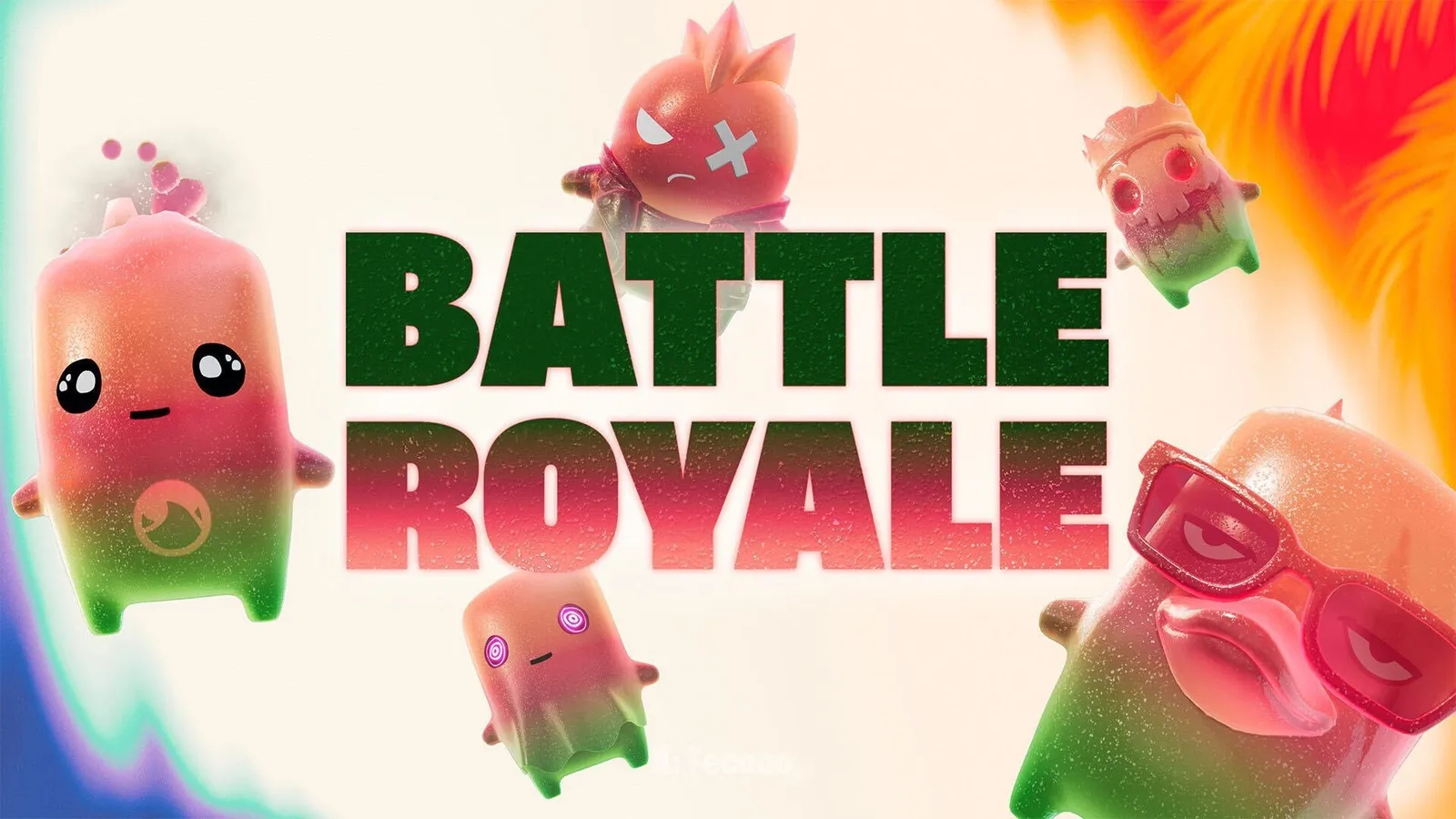
Fortnite players are paying up to $100 on eBay for rare Sprite species, Epic Games developer TofuChris saying the community has extracted just one Gummy-colored variant of the rarest Zero Point Sprite since last Thursday. For decision-makers, this is a live case study in how collectible scarcity, trading groups, and platform marketplaces can collide fast.
Fortnite fans are paying real money on eBay for rare Sprite creatures, with completed listings showing people have paid up to $100 for species that can be collected, levelled up, and used in-game. The specific reason players will part with cash is simple but powerful: some Sprites are extremely hard to extract, and when you finally get one, you can use Sprite Dust to spawn infinite copies with enough grind, then share them within matches.
This is not a hypothetical “might happen” trend. Sprite collecting arrived in Fortnite last weekend as a key part of the game’s most recent season, which introduced extraction mechanics for the first time. The gameplay loop is a grind with teeth: players discover creatures, level them up in power, and then secure them for use in future games at competitive extraction points, with the source also noting, “And yes, you can steal them from other players.” That combination, rarity plus conflict plus repeatability, is why a collector mechanic can become a secondary market.
To understand why eBay is filling up with Sprite listings, you have to look at what Sprites actually do. The source says each Sprite’s gameplay effect is relatively minor, citing healing buffs and brief invisibility as examples. So the value is not only tactical power. It is the identity of the specific type, especially rare variants and special colors, tracked on a dedicated collection screen that functions a bit like a Pokédex. When the game gives players a visible set to complete and a sense that certain entries are nearly impossible to get, collectors stop treating the system like a side quest and start treating it like a hunt.
And the hunt is where the money shows up. Hundreds of listings indicate players choosing to spend on the game’s most uncommon varieties, including the coveted Zero Point Sprite and various rarer special-colored variants. The source also highlights Sprite trading groups forming on platforms such as reddit and Discord. That matters because trading communities solve one problem for scarcity mechanics: they reduce information friction. Players can coordinate around which species are more feasible, which variants are coming up, and who has access to trades. When you add real-world reselling to that ecosystem, the market stops being purely in-game.
Rarity in Fortnite’s Sprite system has also had a spotlight moment. Epic Games developer TofuChris revealed that Fortnite’s millions-strong community has only managed to extract one single Gummy-colored variant of the rarest Zero Point Sprite since its arrival into the game last Thursday. The source further notes that reports claiming an earlier player who obtained the Sprite had been threatened with having their details doxxed now appear incorrect. Even for executives watching from the sidelines, this is a useful reminder: when scarcity becomes profitable, misinformation and harassment narratives can spread, and then get corrected. That correction is not just PR. It affects trust in community marketplaces.
There’s another important incentive layer: once extracted, infinite copies of a Sprite can be spawned with enough Sprite Dust, the in-game grind currency, and shared within matches with other players. That means the “first extraction” matters most. After that, the distribution bottleneck shifts from raw access to grinding resources and managing competitive timing. In a world where players can also steal Sprites from other players during the extraction phase, scarcity becomes both a collectible badge and a tactical control point. That is why players can see a small gameplay effect and still rationalize large effort, and even large cash payments.
From a season-design perspective, Epic is also already playing the longer game. The source says future items and events are certain to make rare species easier to find over the course of the season, and that each further week will host more of these as more species are added. That cadence does two things at once: it sustains participation by expanding the collection, and it can gradually dilute the most extreme scarcity. Second-order implication for boards and product leaders: if rarity is softened later, the peak “buy now” behavior on marketplaces may be concentrated early, which can create sudden market spikes rather than smooth demand.
The timing is also notable outside the collectible ecosystem. Fortnite’s overall player count spiked above 2.5 million players on both Saturday and Sunday this weekend, impressively slightly higher than last week’s new season launch, as the game hosted Sprite collecting events. That suggests the Sprite mechanic is not just monetizing a niche within the audience. It is pulling in broader engagement, at least in the early window. For peers building live-service games, the strategic stakes are straightforward: a collectible loop can drive traffic, community formation, and visible market activity quickly, but it also creates conditions where real-money marketplaces become an extension of gameplay incentives.
Meanwhile, there is a clear “what comes next” pattern. The source says inevitable seasonal additions and events will likely lead more species to turn up on eBay shortly after. If you are an executive responsible for product economics, community health, or risk management, this is a case where incentives, trading networks, and third-party marketplaces are already in motion, right now. The best time to understand those dynamics is before they scale from a Reddit thread to a regulatory or platform trust problem. For decision-makers, Sprite collecting is not just a fun Pokédex moment. It is an early signal that scarcity mechanics can export into real-world commerce with real dollars attached.
This story's Key Insights and Take-aways are locked.
Create a free account to unlock Executive Actions for one credit.
Register to UnlockAlways free for Executives Club members. Join the Club
More in Entertainment

Russell Brand's accuser 'bewildered and confused' as he denies 7 sex charges
The criminal case against the comedian is a live test of how media companies manage talent risk when serious allegations go public.

'It's a Magic Trick': Ballet Experts Say Rosalía's SNL Pose Is Impossible
Three ballet experts tell Rolling Stone Rosalía's gravity-defying SNL stillness shouldn't be possible - and why the debate is now part of the show.

Activision CMO: GTA 6 Will Boost Call of Duty, Not Bury It
Activision's top marketer says Rockstar's blockbuster will drive players back to consoles and into Modern Warfare 4, even as the company admits its recent strategy failed.