
Four Republicans join Democrats as House passes Iran war powers bill, 214-208
Pramila Jayapal’s resolution clears the House 214-208, signaling bipartisan friction before any Iran strike escalates.
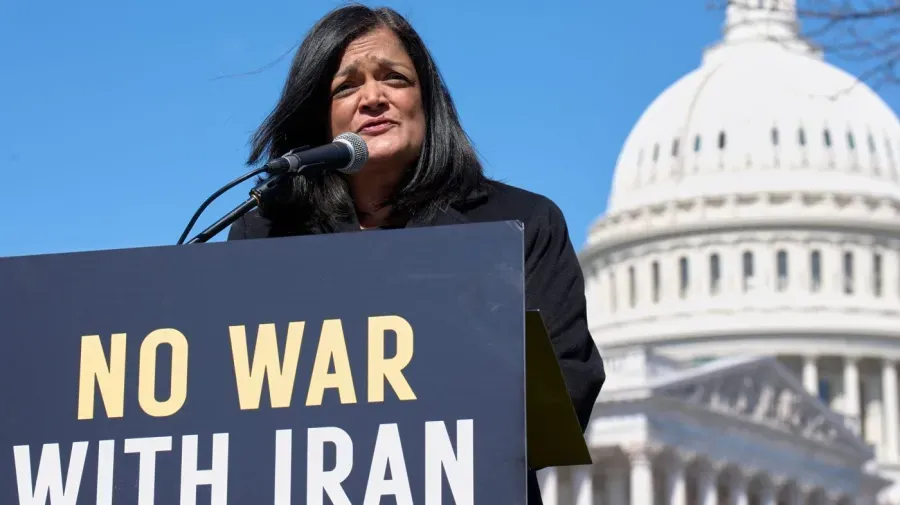
The House passed a Democratic-backed war powers resolution aimed at limiting President Trump’s military action in Iran, sponsored by Rep. Pramila Jayapal (D-Wash.). The vote was 214-208, with four Republicans joining all Democrats. The move raises the stakes for leaders watching how Congress can constrain or complicate U.S. military escalation.
On Thursday, the House passed a Democratic-backed war powers resolution targeting limits on President Trump’s military action in Iran, voting 214-208. The resolution is sponsored by Rep. Pramila Jayapal (D-Wash.), and the headline detail is the coalition: four Republicans joined all Democrats in supporting the measure.
That 214-208 tally matters because it is not just a party-line gesture. It is a signal that even as tensions with Iran remain high and the immediate focus is military action, members of Congress are actively trying to put a constitutional speed bump on presidential escalation. The Hill reports this push is arriving amid a rising death toll among U.S. service members during renewed fighting between the United States and Iran-related forces.
To understand why a war powers vote behaves like a market-moving event, think of it as a constraint on timing and discretion. War powers resolutions are designed to force a clearer line between what a president can do quickly and what requires additional congressional buy-in. In practice, the real question for decision-makers is not only whether the resolution passes, but what it changes in the decision cycle. Even when a measure does not immediately stop action, it can complicate operational planning by adding political, legal, and procedural friction.
Rep. Pramila Jayapal’s sponsorship is also strategically important. A war powers resolution is not a symbolic bill. It is aimed at limiting military action, so the bill becomes a direct attempt to influence the executive branch’s room to maneuver. Jayapal’s role as sponsor means she is putting a specific policy mechanism on the table, not just criticizing policy in broad terms. That kind of specificity often draws support from lawmakers who prefer institutional levers rather than messaging, and the vote count suggests that some Republicans are willing to cross the aisle for this particular lever.
The bipartisan element, even if limited to four Republicans, is the real eyebrow-raiser. In a hyper-polarized environment, even small defections can change how escalation risk is perceived by other branches of government. For executives and boards, the connection is indirect but real: when Congress applies pressure on military authority, companies that operate in defense, energy, logistics, insurance, cybersecurity, and international trade can see second-order effects as uncertainty rises.
Second-order effects show up in the way risk is priced, contracts are interpreted, and contingency planning gets revisited. A war-related news cycle can quickly ripple into supply chains and capital markets, but the congressional component changes the nature of uncertainty. It is one thing when tensions rise and everyone expects the executive to act. It is another thing when Congress is actively moving to constrain the executive, which can extend timelines, trigger legal disputes, or alter operational assumptions. That is the kind of shift that makes enterprise risk teams, compliance officers, and government relations leaders pay attention.
There is also a regulatory and institutional framing to consider. While this is a military and constitutional question on its face, it has governance consequences. The war powers process is a test of how the branches interact under stress. When the House passes a resolution by 214-208, it is demonstrating legislative intent and building a record. That record can be used later in negotiations, legal arguments, and political accountability. Boards that oversee firms with government exposure typically track those records because they influence how future policy and oversight may land.
For other leaders in comparable roles, the lesson is about coalition signaling. The House action shows that the political system can still produce cross-party support around constraints, even when the underlying policy dispute is intense. Executives should treat that as a reminder that the business environment is not only shaped by tariffs, regulators, and courts, but also by Congress actively deciding where presidential authority should end. When the margin is 214-208, not unanimous and not narrow, it points to a substantial level of confidence among lawmakers that congressional action is warranted, which can translate into persistent uncertainty until the next procedural step.
In short: Thursday’s vote did not settle the question of U.S. action in Iran by itself, but it did force the debate into Congress. And when Congress pulls that lever, the impacts do not stay in Washington. They move into planning calendars, risk models, and board discussions, because war powers battles affect how fast decisions can be made and how much discretion remains on the table.
This story's Key Insights and Take-aways are locked.
Create a free account to unlock Executive Actions for one credit.
Register to UnlockAlways free for Executives Club members. Join the Club
More in Politics
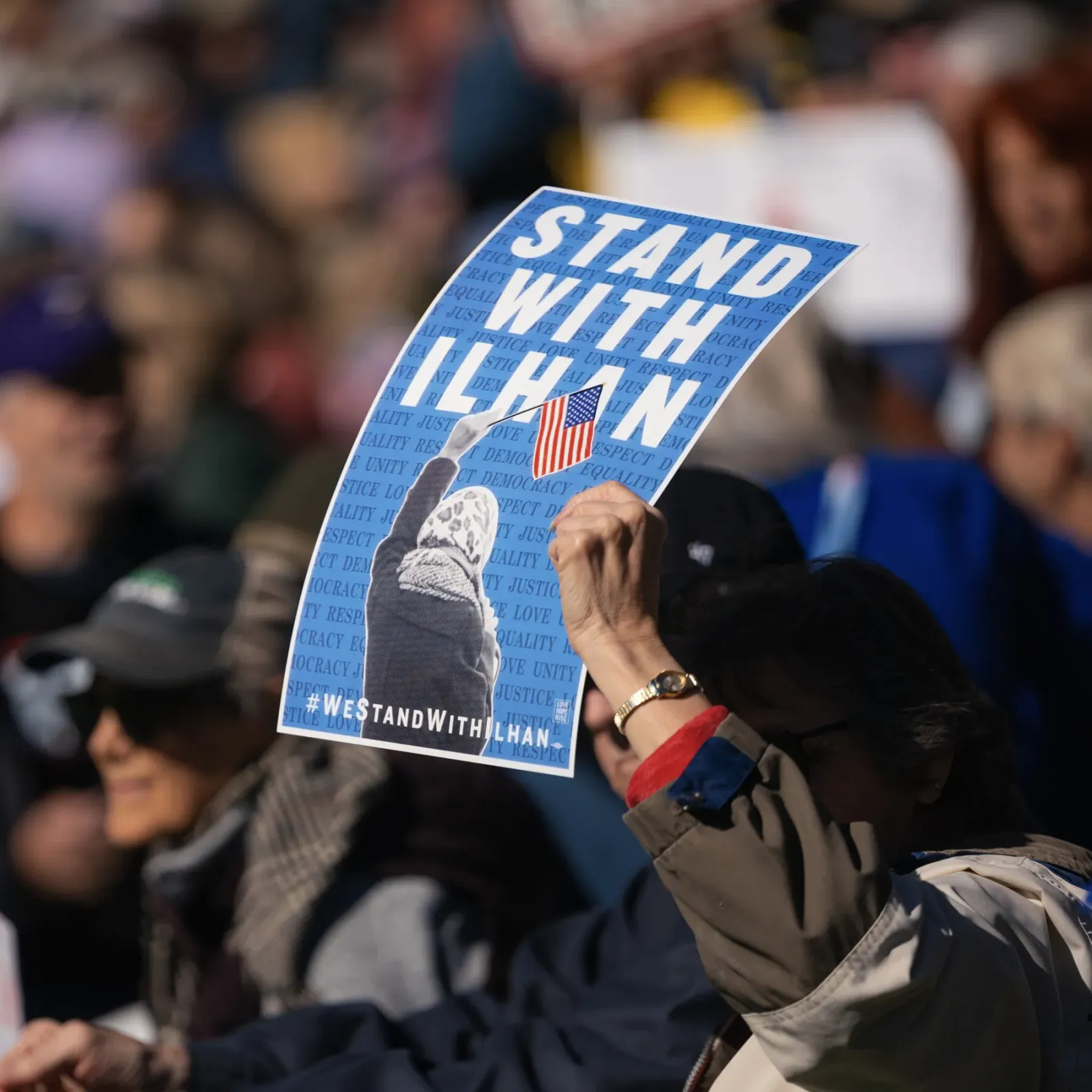
Obama Defends Ilhan Omar After Agents Search Her Home in Trump Inquiry
The former president's intervention raises the stakes in a federal probe into immigration paperwork that has put a prominent progressive lawmaker in the crosshairs.

Blair-era minister: cut welfare to fund youth job support
Alan Milburn's call for welfare cuts to fund employment support opens a Labour fight over benefits and the Neet crisis.
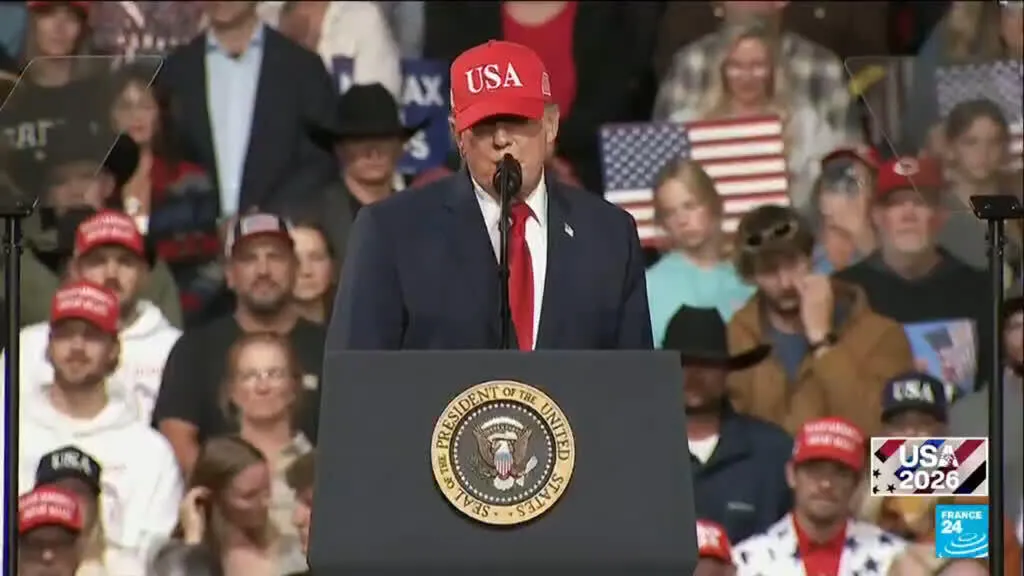
Hot September CPI: energy costs surge, voters feel the squeeze before midterms
The latest inflation print lands as Trump campaigns for GOP control of Congress, putting cost-of-living worries at the center of the midterm fight.